

More news on this day
Travelers moving through Louis Armstrong New Orleans International Airport faced a fresh setback this weekend as a cluster of six grounded flights and rolling delays involving American Airlines, Southwest Airlines, and Spirit Airlines disrupted key routes linking New Orleans with Dallas Fort Worth, Atlanta, Austin, and other major hubs.
Get the latest news straight to your inbox!
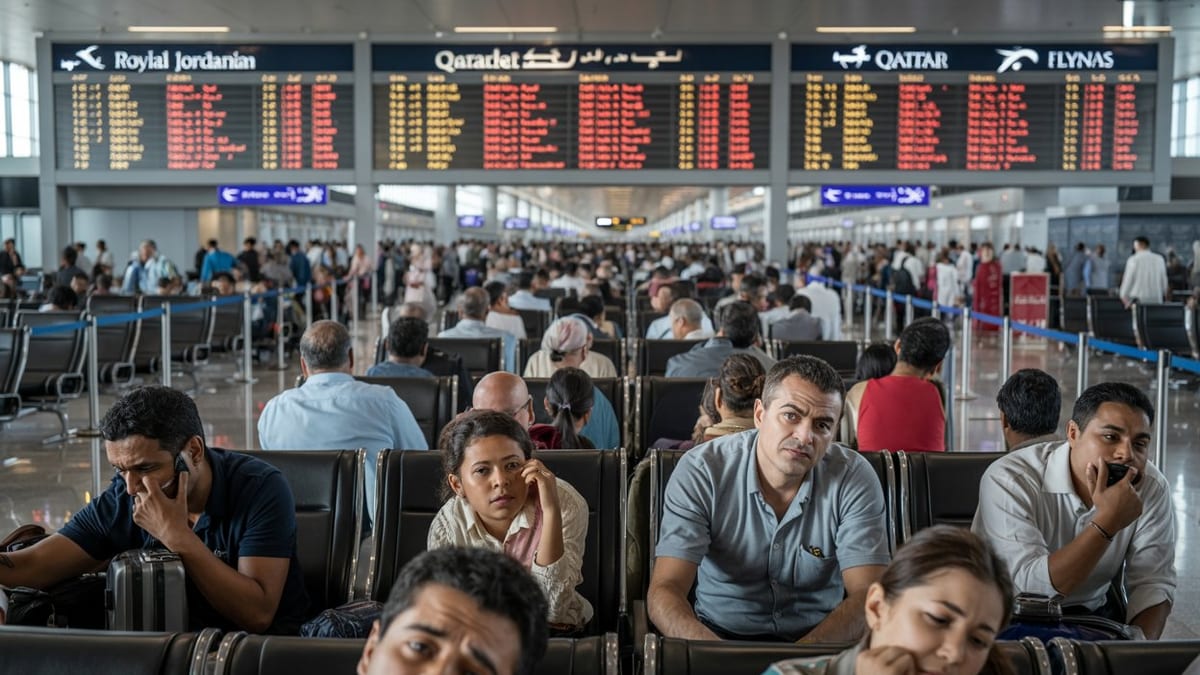
Targeted Disruptions Hit Busy Southern Corridors
Publicly available flight-tracking data and recent disruption tallies indicate that at least six departures and arrivals involving American Airlines, Southwest, and Spirit were canceled or substantially delayed on routes touching Louis Armstrong New Orleans International Airport, with Dallas Fort Worth, Atlanta, and Austin among the most affected cities. The issues formed part of a broader pattern of volatility across the southern United States, where spring travel demand is running high.
On the New Orleans to Dallas Fort Worth corridor, American Airlines has already been adjusting its schedules, and recent records show select New Orleans–Dallas services unscheduled or withdrawn on short notice on peak travel days. Separate industry reporting describes Dallas Fort Worth enduring hundreds of delays and more than one hundred cancellations in a single day, with American and Spirit among the hardest hit carriers, underscoring the fragility of this key connecting hub for New Orleans passengers.
Spirit’s point-to-point network, which includes links into Texas and other southern markets, has also seen repeated schedule disruptions in recent weeks. Accounts from affected travelers refer to unannounced cancellations and repeated rebookings, including on itineraries connecting New Orleans with Dallas and back, suggesting that even a small number of grounded aircraft in this region can quickly ripple across multiple routes.
Southwest, which maintains extensive presence across Texas and the Southeast, including New Orleans, Dallas Love Field, Atlanta, and Austin, has likewise faced mounting operational pressure. Recent analyses of systemwide performance describe Southwest among the most disrupted carriers during early April, with elevated delay counts at key hubs. When even a small portion of that disruption intersects with New Orleans, it can translate directly into specific departure cancellations and significant rolling delays for local travelers.
Weather, Congestion, and Tight Schedules Converge
Operational data and recent coverage of nationwide air travel disruptions point to a combination of unsettled spring weather, congested airspace over major hubs, and very tight airline schedules as key drivers of the latest setback at Louis Armstrong New Orleans International Airport. Spring systems tracking across Texas and the lower Mississippi Valley have periodically prompted traffic management initiatives at hub airports, cutting arrival and departure rates and forcing airlines to trim flights or hold aircraft on the ground.
Reports on the broader U.S. network show that when thunderstorms and low ceilings develop over Texas and the Southeast, hubs such as Dallas Fort Worth and Atlanta often take the brunt of capacity cuts. Those choices quickly reduce flexibility for carriers like American, Southwest, and Spirit, which rely on these airports to feed passengers to and from New Orleans. When aircraft and crews are stuck out of position, downstream flights between New Orleans and cities such as Dallas, Atlanta, and Austin are among the first to be delayed or dropped.
Analysts note that airline schedules remain tightly packed heading into the spring peak, with less slack in fleets and staffing than before the pandemic. That means a storm system or minor operational glitch can more easily cascade into multiple cancellations. In this case, even a seemingly modest cluster of six grounded flights tied to New Orleans translated into missed connections, extended layovers, and overnight stays for affected travelers throughout the region.
The situation has been compounded by ongoing work and procedural constraints at several major airports, which limit the number of arrivals and departures that can be safely handled during peak times. While Louis Armstrong New Orleans International itself has not reported large-scale structural issues, the airport’s reliance on a handful of big hubs for connectivity means disruptions elsewhere tend to propagate quickly into the New Orleans schedule.
Passengers Confront Long Lines, Missed Connections, and Rebookings
Travelers caught in the latest round of disruptions at New Orleans describe a familiar pattern on social and consumer forums: extended waits at gates, repeated short-notice delay notifications, and abrupt cancellations once crew or aircraft limitations become clear. In some cases, passengers reported being held for hours while airlines sought replacement aircraft or alternative routings through other hubs.
For itineraries touching Dallas Fort Worth, Atlanta, and Austin, the grounding of a small number of key flights translated into longer journeys with added connections, or in some instances, forced overnights. New Orleans passengers heading to secondary markets via Dallas or Atlanta found that full flights and limited spare capacity left few same-day options, especially on low-cost carriers where schedules are already lean.
Families and leisure travelers, many of them flying for spring break or early-season events, appear particularly exposed to these disruptions. With popular departure windows booked out weeks in advance, rebooking often means accepting early-morning or late-night alternatives, splitting groups across multiple flights, or paying higher walk-up fares on competing airlines from nearby airports such as Houston or Austin.
Some public travel advisories recommend that affected passengers monitor airline apps closely, arrive at the airport earlier than usual, and proactively seek rebooking options as soon as irregular operations begin. Consumer advocates also emphasize the importance of knowing each carrier’s policies on meal vouchers, overnight accommodation, and refunds when flights are significantly delayed or canceled for reasons within the airline’s control.
Regional Network Strain Extends Beyond New Orleans
The disruption centered on Louis Armstrong New Orleans International Airport is part of a wider pattern of instability on U.S. domestic routes, particularly across the South and Gulf Coast. Recent nationwide tracking tallies thousands of delays and hundreds of cancellations on single high-impact days, with hubs in Chicago, New York, Atlanta, Denver, Houston, and Dallas featuring prominently. American Airlines, Southwest, and Spirit have all ranked among the carriers facing notable schedule pressures during these events.
In the Dallas Fort Worth region, a recent surge of 775 delays and 159 cancellations in a single day illustrated how quickly operations can deteriorate when weather, traffic flow constraints, and staffing limitations converge. That same disruption window saw American and Spirit among the most affected operators. Given the importance of Dallas Fort Worth as a connecting point for New Orleans-bound travelers, the aftershocks of that episode continue to ripple through schedules.
Atlanta and Austin have also experienced periods of tight capacity and heightened delay risk as airlines reposition aircraft and crews to cope with shifting demand and evolving weather patterns. Routes linking New Orleans with these cities are often marketed as convenient nonstop options, but their reliability ultimately depends on broader network health, including aircraft rotations from other regions and on-time performance at upstream airports.
Industry observers suggest that the confluence of strong leisure demand, constrained resources, and ongoing infrastructure limitations has created a narrow operating margin on many domestic routes. The cluster of six grounded flights and multiple delays at New Orleans is therefore seen less as an isolated incident and more as another sign that even mid-sized hubs remain vulnerable to wider systemic strains.
What Travelers Through New Orleans Should Expect Next
Looking ahead to the coming days, operational data and published outlooks indicate that airlines serving New Orleans are working to stabilize schedules while keeping a close watch on weather systems over Texas and the Southeast. With American, Southwest, and Spirit all operating dense networks that intersect in this region, any renewed thunderstorms or traffic restrictions at Dallas Fort Worth, Atlanta, or Austin could once again affect departures and arrivals at Louis Armstrong New Orleans International Airport.
Travel specialists recommend that passengers with near-term itineraries build extra time into connections, particularly when traveling through Dallas Fort Worth or Atlanta, given their central role in absorbing irregular operations. Where possible, travelers may also wish to favor earlier departures, which tend to offer more fallback options if cancellations occur later in the day.
Observers note that carriers are gradually adding capacity on some New Orleans routes as the spring travel season progresses, including seasonal links involving Austin and other southern cities. If operational conditions improve and weather remains cooperative, those additions could help dilute the impact of isolated cancellations by providing more opportunities to rebook disrupted passengers.
For now, the latest wave of grounded flights at Louis Armstrong New Orleans International Airport underscores how a limited number of targeted cancellations and delays can still significantly disrupt the travel plans of hundreds of passengers when they occur on heavily trafficked regional corridors. Travelers across New Orleans, Dallas Fort Worth, Atlanta, Austin, and neighboring markets are likely to feel the effects until airline networks in the region regain a steadier rhythm.