

More news on this day
A specialist flying groom has offered a rare behind-the-scenes look at how horses are transported on long-haul flights, describing the meticulous planning, strict welfare protocols and unexpected challenges involved in moving more than 50 animals from the United Kingdom to Sydney in a single operation.
Get the latest news straight to your inbox!
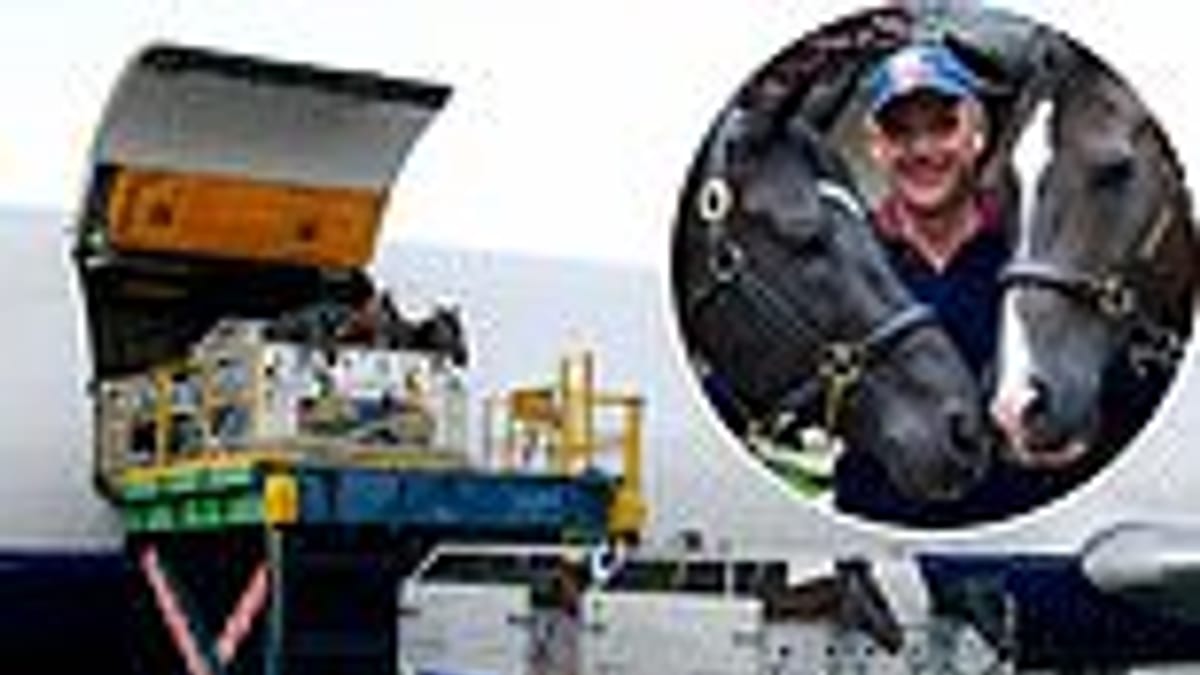
Image by Travel News | Top Europe Destinations & Holiday Ideas | Mail Online
From racecourse to runway: inside an equine airlift
Recent coverage of international equine transport has highlighted the account of a professional flying groom who accompanied more than 50 horses on a chartered cargo service from the UK to Sydney. The shipment, linked to high-level competition and breeding programs, illustrates how routine air travel for elite horses has become, even on intercontinental routes exceeding 20 hours of flying and transit time.
According to industry reports, the horses travelled in modular air stalls loaded into a widebody freighter, a configuration common on routes to Australia used for racehorses, show jumpers and endurance horses. These stalls are designed to fit securely into standard cargo positions, allowing handlers to adjust the number of animals per stall depending on size, temperament and regulatory limits.
The groom’s account describes a tightly choreographed operation beginning long before wheels leave the ground. Horses are usually checked, groomed and fitted with protective gear such as travel boots and tail guards at a quarantine or consolidation facility before being driven to the airport. Once airside, specialized teams transfer them from road transport into the metal-framed jet stalls that will serve as their mobile stable for the journey.
For the UK to Sydney move, the size of the consignment meant the aircraft was operating at or near capacity for live animals. Publicly available material on comparable flights indicates that such operations often require careful pairing of compatible horses within each stall, balancing their hierarchy and stress levels to reduce the risk of kicking, biting or panic once airborne.
How horses travel in the sky
Equine air stalls typically resemble compact, padded stable boxes that can be configured for two or three horses abreast, depending on the aircraft type and the animals involved. Industry guidelines cited in veterinary literature suggest that long-haul sport and racehorses are frequently given more space, sometimes travelling in two-per-stall arrangements to allow better balance and reduce stress on joints and respiratory systems.
During flight, horses are tethered but able to lower their heads, a key welfare consideration shown in research to help clear airways and limit the risk of travel-associated respiratory illness often referred to as shipping fever. Grooms provide hay throughout the journey and water at intervals or during technical stops, adapting to individual needs and behaviour.
The groom’s story underscores that the aircraft itself is only one part of the equation. Temperature, noise and airflow must all be managed within tight ranges. Cargo holds used for horses are pressurised and climate controlled, but handlers still monitor conditions closely, noting that extended ground delays or long taxi times can be more uncomfortable for animals than cruising at altitude.
For the UK to Sydney operation, reports indicate that the flight path included fuel and crew stops where ground teams inspected the stalls, checked for sweating, dehydration or signs of colic and adjusted ventilation panels where possible. While veterinarians are not always on every flight, larger consignments and journeys to tightly regulated destinations such as Australia frequently include veterinary oversight in addition to experienced grooms.
One groom for three horses: managing a herd at 35,000 feet
Studies on equine air transport note a common staffing ratio of approximately one groom to every three horses, a guideline that scales up sharply when several dozen animals are on board. For a shipment of more than 50 horses, that can mean a small team of specialists responsible for feeding, watering and calming their charges in a confined and constantly moving environment.
The groom featured in recent coverage recalls the physical demands of the work, from hauling water buckets along narrow aisles between stalls to standing braced as the aircraft climbs, descends or encounters turbulence. Simple tasks such as checking a halter or adjusting a rug can require careful coordination between multiple handlers to avoid startling a nervous horse.
Sleep is limited. On a UK to Sydney routing, including ground time, the crew may be caring for the animals over many hours with only short breaks during refuelling stops. Reports from similar flights suggest that some grooms rest in crew seats or bunks in rotation, while at least one handler remains in the cargo area whenever regulations and safety procedures allow.
Managing manure and urine is another practical challenge that receives little public attention. Bedding within the stalls absorbs much of the waste, but grooms still need to remove soiled material during calmer phases of the flight to keep horses comfortable and reduce odour and slipping risks. With more than 50 animals on board, the workload increases significantly over time.
Regulations, quarantine and the Australian factor
Publicly available information on equine imports shows that Australia maintains some of the strictest biosecurity rules in the world, particularly concerning diseases such as equine influenza and African horse sickness. Any large-scale shipment of horses from the UK to Sydney must navigate this regulatory environment, which shapes everything from pre-flight testing to post-arrival quarantine.
Before boarding, horses bound for Australia typically complete a period of pre-export quarantine in approved facilities, where they undergo health checks, blood tests and vaccinations according to the destination’s import conditions. Documentation for previous UK to Australia flights indicates that only horses meeting stringent criteria are cleared to travel, and that flight schedules are often built around quarantine windows.
On arrival in Sydney, aircraft carrying horses are directed to dedicated cargo and inspection areas where animals remain under the control of border and biosecurity services. The groom’s account aligns with descriptions of earlier shipments, in which horses are unloaded in their stalls, examined and then transferred directly to quarantine centres by road without contact with local equine populations.
For the flying groom, the journey does not end when the aircraft doors open. Reports on similar operations describe grooms accompanying the horses to the quarantine station, helping them settle after the disorienting experience of long-haul flight and monitoring for delayed onset of stress or illness that may emerge in the first hours on the ground.
Rising demand for equine air travel
The UK to Sydney consignment described by the groom reflects a broader trend in international travel for horses. Growth in global racing circuits, high-profile showjumping tours and cross-border bloodstock sales has increased demand for rapid, reliable air transport between Europe, the Middle East, Asia and Australasia.
Industry newsletters and specialist operators report that dedicated equine charter flights now operate regularly on routes connecting major racing hubs, sometimes branded informally with names referencing their precious four-legged cargo. For owners, the cost is significant, but the ability to move valuable horses swiftly and with controlled welfare conditions is considered an essential part of modern competition and breeding.
At the same time, veterinary research continues to examine the health impacts of long-haul air travel on horses, from respiratory disease to dehydration and musculoskeletal strain. Findings from these studies inform evolving best practice on space allowances, hydration, bedding, feeding and rest periods, all factors directly visible in the groom’s detailed description of caring for more than 50 animals en route to Sydney.
As equine aviation becomes more common, accounts from flying grooms provide a rare narrative layer to what is otherwise a highly technical and regulated niche within the cargo sector. Their experiences underscore that, behind every headline-making shipment, there is a complex human and animal story unfolding quietly at 35,000 feet.