

More news on this day
A new round of flight disruptions at Fort Lauderdale-Hollywood International Airport in early April is reverberating across airline networks, underscoring how quickly spring storm systems and tightly packed schedules can tip the U.S. air travel system into cascading delays.
Get the latest news straight to your inbox!
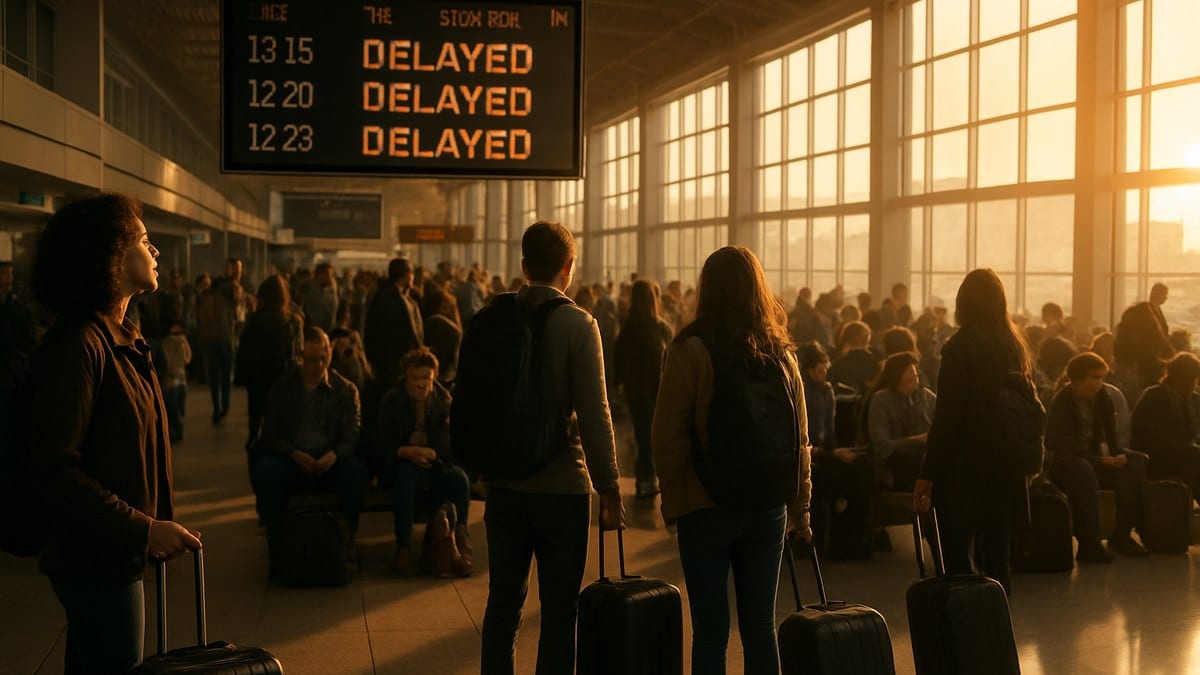
Stormy Week Leaves Hundreds of Flights Off Schedule
Publicly available tracking data and travel industry reports indicate that Fort Lauderdale-Hollywood International Airport has been among the hardest-hit Florida gateways during a turbulent start to April 2026. On April 8, monitoring services and travel publications highlighted a spike in delays at Fort Lauderdale as severe thunderstorms, gusty winds and air traffic control constraints swept across the eastern United States. One disruption snapshot cited more than 180 delayed departures and arrivals at the airport in a single day, alongside a smaller number of outright cancellations.
The Fort Lauderdale issues formed part of a broader pattern of weather-linked disruption affecting dozens of U.S. airports, from Atlanta and New York to Miami and Orlando. Analysts tracking the chaos over the past week pointed to a combination of spring storm fronts and already busy Easter holiday traffic, which left airlines and airports with little spare capacity to recover when conditions deteriorated.
Travel news outlets describe a multi-day recovery effort as airlines reposition aircraft and crews after the early April storms. Even when skies cleared over parts of Florida, lingering restrictions at other hubs and delayed inbound aircraft continued to keep Fort Lauderdale’s departure boards crowded with late flights.
Low-Cost Carriers Exposed on Crowded Leisure Corridors
Fort Lauderdale serves as a major base for low-cost carriers, with Spirit Airlines and JetBlue Airways among the dominant operators on domestic and Caribbean routes. Airport traffic data and airline schedule information show that both airlines have materially expanded their presence in South Florida, adding new year-round links to cities such as Orlando, Dallas and Cleveland and maintaining dense schedules on high-demand routes to the Northeast and Midwest.
In practice, this concentration has amplified the impact when disruptions occur. Travel industry coverage of the April storms notes that Spirit, JetBlue and other budget carriers reported dozens of delayed flights tied to Fort Lauderdale on some of the busiest days, particularly on leisure corridors linking Florida with New York, Boston and other northern cities. With aircraft often scheduled for multiple quick turnarounds in a single day, a delay on one leg can ripple across several subsequent flights.
Recent schedule adjustments by budget airlines further illustrate the fragility of these networks. Spirit has already announced cuts to a number of smaller markets in 2026 as it tries to refocus on core hubs such as Fort Lauderdale and Orlando amid financial headwinds. At the same time, JetBlue has publicized new and expanded Fort Lauderdale routes, banking on continued demand growth. The result for travelers this spring is a system that is simultaneously more concentrated and more vulnerable when weather or operational issues strike.
Knock-On Effects From Northern Hubs Intensify the Strain
The turbulence at Fort Lauderdale has not been driven solely by Florida’s weather. Recent coverage from aviation and travel outlets highlights how severe disruption at northern hubs, particularly Newark Liberty International Airport and major Midwest gateways, has fed directly into problems on Florida-bound routes.
In early April, Newark recorded a cluster of more than 180 delayed flights and around a dozen cancellations on a single day, affecting United, JetBlue, Spirit and other carriers that rely on the airport as a key connection point to Florida. Flight connection data show that routes linking Newark with Fort Lauderdale and Orlando operate at very high utilization, leaving limited slack when multiple services are delayed or grounded. When aircraft and crews fail to arrive on time from northern hubs, subsequent departures out of Fort Lauderdale often start the day behind schedule.
Earlier in the season, winter storms and blizzard conditions across the Midwest and Northeast also contributed to irregular operations at Florida airports. Reports from March detailed widespread disruptions at Chicago O’Hare, New York’s airports and Boston, with Florida-bound flights among those most affected. These episodes underscored that conditions hundreds of miles away can abruptly reshape the operating picture at Fort Lauderdale, even when local skies are relatively calm.
Holiday Crowds and Limited Slack in the System
The timing of the latest disruptions has magnified their impact. The early April storms coincided with the Easter holiday return period and the start of spring break for many schools and universities, when Fort Lauderdale typically handles heavy flows of leisure travelers. Historic traffic statistics from Broward County show that the airport, which operates four terminals and more than 60 gates, ranks among the busier U.S. airports by passenger volume, with a strong tilt toward domestic holiday routes.
Travel analysts observing the current season argue that demand on many Florida routes has recovered to, or in some cases surpassed, pre-pandemic levels. Airlines have responded by packing schedules tightly and leaning on quick turnarounds to maximize aircraft utilization. That approach increases efficiency in normal conditions but leaves little margin when irregular operations stretch into a second or third day, as seen this month.
Several consumer-focused advisories published in recent days emphasize that travelers passing through Fort Lauderdale and other Florida hubs this spring should expect crowded terminals, longer security lines and a higher-than-usual risk of missed connections. The same analyses note that when multiple airports across the East and Midwest experience weather-related disruption at once, the knock-on effects can take days to unwind because there are few spare aircraft and crews available to reassemble the schedule.
What Travelers Can Learn From Fort Lauderdale’s Rough Week
The latest episode at Fort Lauderdale offers a clear snapshot of broader challenges facing the U.S. aviation system in 2026. A combination of volatile spring weather, concentrated traffic at leisure-focused hubs, aggressive scheduling and tight staffing has created a network where relatively short-lived storms can trigger nationwide disruption. Fort Lauderdale’s role as a key base for low-cost carriers and a major gateway for both domestic and Caribbean travel makes it especially exposed when those factors align.
Publicly available guidance from travel organizations and passenger rights groups suggests several practical steps for those planning to fly through Fort Lauderdale in the weeks ahead. These include choosing earlier departures where possible, allowing longer connection times, favoring nonstops on critical itineraries and monitoring airline apps and airport dashboards closely for schedule changes. Passengers are also encouraged to consider flexible tickets or backup options by rail or car on shorter regional routes when forecasts point to severe weather.
With more unsettled conditions likely as spring progresses, the experience of Fort Lauderdale in early April hints at further stress tests for the airline network before the start of the busy summer peak. Unless airlines and airports can find ways to build additional resilience into schedules and staffing, similar clusters of disruption may continue to emerge whenever storms and high demand collide.