

More news on this day
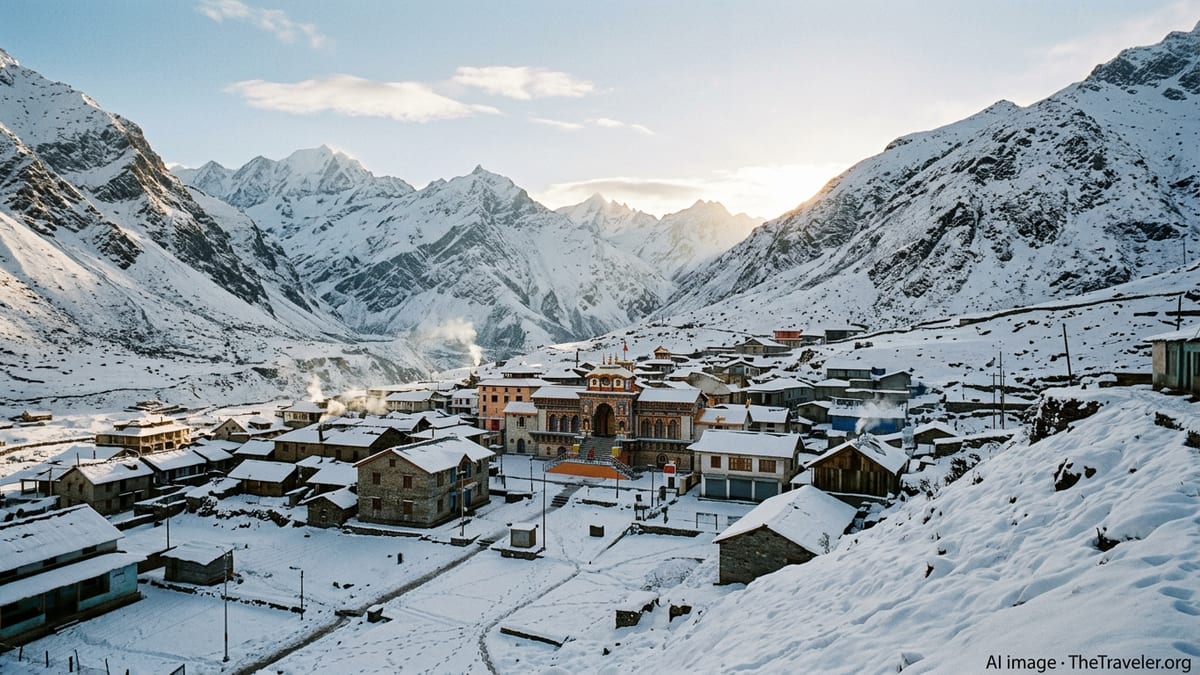
Fresh snowfall over Badrinath and the surrounding Himalayan peaks in Uttarakhand has transformed the high-altitude shrine town and nearby ridgelines into a deep winter landscape, drawing new attention from pilgrims, trekkers and weather watchers ahead of the 2026 Char Dham yatra season.
Get the latest news straight to your inbox!
Winter Storm Refreshes the High Himalayas Around Badrinath
Recent reports from Uttarakhand indicate that higher reaches of Chamoli district, including Badrinath and nearby pilgrimage sites, have received a new spell of snow, leaving slopes and temple surroundings under a bright white cover. Publicly available updates from regional travel and weather sources describe the snowfall as part of a broader pattern affecting upper Himalayan zones of Uttarkashi, Chamoli and Pithoragarh during January and February, with renewed flurries in March maintaining winter conditions above roughly 3,400 metres.
Images and descriptions emerging from the region highlight sharp contrasts between snow-laden peaks and the colourful facades of mountain settlements. The Badrinath valley, ringed by steep ridges and glaciers, is experiencing typical late-winter behaviour, with clear skies at times quickly giving way to clouds and intermittent snow showers. Observers note that even brief bursts of fresh snow can dramatically change the appearance of the landscape, softening rock faces and deepening cornices along ridgelines.
Travel-focused coverage of Uttarakhand’s 2025 and early 2026 winters points to a series of snowfall events that have repeatedly whitened Badrinath and neighbouring shrines such as Kedarnath and Hemkund Sahib. In some townships, snow accumulation has been sufficient to bury rooftops and narrow streets, reinforcing the region’s reputation for severe winter conditions and underlining why the temple traditionally remains closed for several months each year.
Access Restricted as Deep Snow Closes the Shrine for Winter
Although images of snowbound Badrinath are generating strong interest among prospective visitors, the town itself remains effectively closed for general pilgrimage during the core winter months. Due to heavy snow and the risk of avalanches and road blockages, the Badrinath temple customarily opens only in late April and closes again by early November, when conditions at high passes and along the Alaknanda valley become unreliable.
For the 2026 season, travel and pilgrimage planners have publicised tentative and announced dates that keep this pattern intact. Several Char Dham planning resources project that the Badrinath temple will reopen in the second half of April, in line with the opening of other Himalayan shrines once snow clearance is complete and road connectivity is restored. In practical terms, that means the current fresh snowfall is more a visual spectacle than a visitor opportunity, as official yatra movement has not yet begun.
Road access to Badrinath during winter remains limited to essential movement, when conditions allow. High-altitude sections of the national highway and feeder roads are subject to frequent closures triggered by drifting snow, ice and rockfall. Travel advisories circulated through tourism and weather channels consistently recommend that pilgrims and leisure travellers avoid attempting the route until the formal yatra window opens and road maintenance teams have cleared accumulated snow.
Safety Concerns and Avalanche Risk After New Snow
The latest snowfall across the higher Himalayas of Uttarakhand has also renewed discussions about avalanche risk in the Badrinath and Kedarnath sectors. Coverage in national and regional media over the winter has drawn attention to advisories that warn of unstable slopes, especially where new snow sits on older, hardened layers or on sun-crusted surfaces on steep aspects.
Mountain safety experts frequently stress that fresh accumulations can conceal crevasses, unstable cornices and underlying ice. Where wind has drifted snow into leeward gullies and bowls, the additional load can increase the likelihood of slab avalanches. Across Uttarakhand, past incidents during late winter and early spring have shown that avalanche activity can persist even on sunny days, particularly after storms similar to the recent system affecting Badrinath’s upper catchments.
Publicly available information from local administrations and disaster management agencies encourages anyone in the broader high Himalayan zone to follow formal advisories, keep clear of steep snow slopes and avoid unnecessary travel above treeline in unstable weather. For independent trekkers and photographers drawn by images of the freshly transformed peaks, planning around elevation, aspect and forecast trends is being emphasised as essential for safe movement.
What the Fresh Snow Means for Pilgrims and Trekkers
The blanket of new snow around Badrinath is expected to influence both pilgrimage logistics and adventure plans as the 2026 Char Dham season approaches. For pilgrims, the fresh accumulation underscores that late April remains the practical start of the main visiting window, since temperatures, snow depth and the risk of late storms make earlier travel difficult. Travel operators and religious bodies typically align registration, transport schedules and lodging preparations with the staged opening of the four Char Dham shrines.
For trekkers and high-altitude travellers, the snowfall suggests that early-season routes near Badrinath, such as approaches toward Vasudhara Falls or higher glacier viewpoints, may retain considerable snowpack well into May. Travel planners are advising that visitors prepare for cold conditions, possible snow crossings and rapidly shifting weather, even after main roads reopen. Proper footwear, layered clothing and flexibility in itineraries remain important for anyone planning to explore beyond the temple precincts.
At the same time, the refreshed snowline is likely to enhance the visual appeal of the region for those arriving in the early weeks of the yatra. Clear days following storms often deliver sharp views of peaks and ridges, with lingering snow framing the colourful temples and villages along the Alaknanda. Travel photography communities are already highlighting Badrinath and its neighbouring valleys as a prime target for dramatic late-winter and early-spring imagery in 2026.
Balancing Himalayan Beauty with Responsible Travel
As images of a freshly snowbound Badrinath circulate on social media and in travel coverage, commentators are also emphasising the need for responsible visitation once access resumes. The combination of fragile alpine ecosystems, narrow mountain roads and rapidly increasing pilgrimage numbers across recent seasons has raised concerns about congestion, waste management and pressure on local infrastructure during peak months.
Tourism organisations and local voices frequently call for visitors to respect seasonal limits, follow designated routes and avoid venturing onto closed or unprepared trails in search of snowfields. The same fresh snowfall that transforms the scenery also heightens the importance of staying within managed zones, both for personal safety and for the protection of high-altitude habitats that take years to recover from disturbance.
For now, Badrinath and the surrounding Himalayan peaks remain in full winter mode, with fresh snow highlighting the scale and severity of the landscape. As the 2026 yatra season draws closer, the recent storms are serving as a reminder of both the powerful attraction and the demanding realities of travel in one of India’s most revered mountain regions.