

More news on this day
Travellers heading to and from Egypt are facing a fresh wave of disruption as regional airspace restrictions trigger another round of flight cancellations on key routes linking Cairo, Luxor, Hurghada, Sharm El Sheikh and major Gulf and Levant hubs.
Get the latest news straight to your inbox!
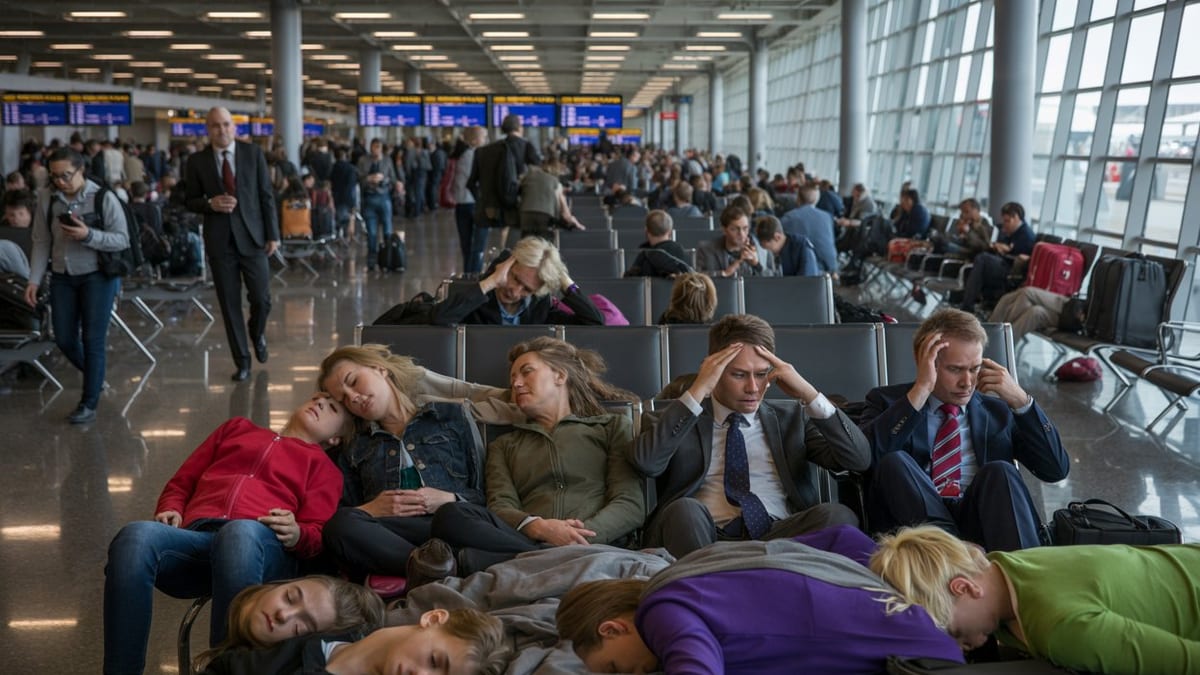
Image by Travel And Tour World
Dozens of Additional Cancellations Hit Egypt’s Main Gateways
Newly updated advisories for the Middle East indicate that airlines including Mesaair, Royal Jordanian and Saudi Air have withdrawn or reshaped a dozen more services touching Egypt in recent days, compounding a rolling disruption that began earlier in March. The latest adjustments are concentrated on high‑risk corridors and overnight time windows, but the knock‑on effects are being felt throughout the day at Cairo, Luxor, Hurghada and Sharm El Sheikh.
Publicly available aviation data and travel advisories show that routes linking Egypt with Amman, Bahrain and Dammam are among those most exposed to cancellations and schedule thinning. Some flights have disappeared from booking systems entirely, while others remain listed but are operating at sharply reduced frequencies or with extended routings to avoid restricted airspace.
Operational bulletins reviewed by TheTraveler.org describe the changes as part of a broader regional response to missile and drone activity and intermittent airspace closures across parts of the Gulf and Levant. While Egypt’s airports remain open and functional, airlines are selectively cutting or rerouting services that would ordinarily overfly or connect through affected skies.
The result for passengers is an increasingly patchwork network in which core leisure and business links are intact on some days and hours, yet suddenly unavailable on others. Travellers with near‑term departures are being urged by carriers and travel agents to recheck itineraries repeatedly in the 24 hours before flying.
Key Routes Affected: Cairo, Luxor, Hurghada and Sharm El Sheikh
Cairo, Egypt’s primary international hub, is bearing the brunt of the revised schedules. Recent advisories note that multiple departures from Cairo to regional destinations such as Amman, Dammam and Bahrain have been cancelled or suspended on short notice as airlines re‑evaluate risk exposure along each corridor. This follows earlier cuts to services from Cairo to other Gulf and Levant cities earlier in the month.
Secondary gateways popular with tourists are also experiencing ripple effects. Luxor, heavily relied upon by cultural and river cruise travellers, has seen select regional and charter flights withdrawn, with remaining services sometimes consolidated into fewer operating days. While domestic links from Cairo continue, international connectivity for Luxor is noticeably thinner than in the winter peak.
On the Red Sea coast, Hurghada and Sharm El Sheikh continue to receive traffic from a number of European and regional carriers, but schedules have become more fluid than usual. Some airlines have opted to reroute aircraft through safer southern corridors, adding flight time and complexity, while trimming frequencies on routes that would ordinarily transit closer to restricted airspace. Package operators serving these resorts are updating departure boards daily as aircraft and crews are reassigned.
Industry observers note that the pattern is highly dynamic, with flights sometimes reinstated once an acceptable routing is confirmed, only to be pulled again if the regional security picture shifts. For travellers, that volatility increases the likelihood of last‑minute timetable changes even when airports themselves remain open.
Mesaair, Royal Jordanian, Saudi Air and Regional Carriers Adjust Networks
According to published coverage and airline advisories, carriers with extensive Middle East networks are making some of the most pronounced changes. Mesaair has focused its latest round of cancellations on cross‑border services intersecting sensitive airspace, including selected rotations that would normally connect Egypt with Gulf hubs and onward long‑haul destinations.
Royal Jordanian, which relies heavily on Amman as a connector between Europe, Asia and the Middle East, continues to adjust its timetable as Jordanian airspace faces intermittent restrictions and night‑time closures. Public information shows that Cairo–Amman frequencies have been trimmed on certain days, and routings modified to avoid overflying specific conflict‑adjacent zones, adding complexity for passengers planning same‑day connections beyond Amman.
Saudi Air, together with other Saudi‑based operators, has also rebalanced flights linking the kingdom with Egypt, Bahrain and broader Gulf destinations. Advisories describe limited operations and periodic cancellations at key Saudi airports, contributing to disruptions on routes such as Dammam–Cairo and Dammam–Luxor that typically serve both expatriate workers and religious travellers transiting toward holy sites.
Smaller regional and leisure carriers are responding in kind, in some cases suspending individual rotations rather than entire routes, but still contributing to an overall tightening of capacity. The net effect is that even where a route remains “active” in airline schedules, the number of weekly flights may be far below seasonal norms.
What Travelers Are Experiencing on the Ground
Reports from travellers and aviation tracking platforms depict crowded departure halls at Cairo and other hubs when multiple flights fall off the board at once. Passengers whose flights to Amman, Bahrain or Dammam are cancelled are often being rebooked via alternative gateways in Saudi Arabia or through more southerly corridors that keep aircraft away from restricted zones, sometimes adding many hours to total journey time.
Where seats are available, airlines are prioritising rerouting over refunds in the short term, though standard options for vouchers or reimbursements remain in place under most carriers’ policies for significantly disrupted flights. Travellers on package holidays to Hurghada and Sharm El Sheikh report that tour operators are consolidating guests onto fewer departures, resulting in busy but still functioning charter operations into the Red Sea resorts.
One recurring theme in recent days is the unpredictability of changes. Some passengers describe departures that operate more or less on time despite regional headlines, while adjacent flights on the same route are cancelled or heavily delayed. This uneven pattern reflects the way airlines are continuously recalculating risk and operational feasibility on a flight‑by‑flight basis.
Check‑in and security processes inside Egypt remain broadly normal, although travellers should expect longer queues at airline service desks when cancellation waves occur. Ground transport to and from resort areas has not been widely affected, so once visitors arrive in the country most itineraries are proceeding largely as planned.
Practical Advice for Upcoming Trips to Egypt and the Region
For travellers with imminent plans to fly into or out of Egypt, current conditions make flexibility and vigilance essential. Airlines, travel management companies and tourism boards are advising passengers to monitor their bookings closely, using official airline channels and departure boards rather than relying solely on automated notifications or third‑party apps, which can lag behind operational decisions.
Experts in aviation risk management commonly recommend building extra buffer time into connections through regional hubs such as Amman, Riyadh or Jeddah, and avoiding tight same‑day links where possible. Where itineraries involve smaller airports like Luxor, Hurghada or Sharm El Sheikh, choosing routings that allow for an overnight stop in a major hub can provide a margin of safety if a key sector is cancelled.
Travellers are also encouraged to review the flexibility terms on their tickets and accommodation. Many airlines continue to offer fee‑free date changes or credits on affected routes, while some hotels and tour operators have relaxed change and cancellation policies for arrivals during this period of heightened uncertainty.
Although the current disruption is significant, publicly available information suggests that it is targeted rather than a blanket shutdown of travel. Egypt’s main tourist centres remain accessible, and many flights are still operating. However, with airlines like Mesaair, Royal Jordanian and Saudi Air regularly updating schedules in response to evolving regional conditions, anyone heading to or from Egypt in the coming days should prepare for potential last‑minute adjustments.