

More news on this day
A looming jet fuel squeeze, persistent delays and mounting operational strains are turning air travel in Vietnam into an increasingly anxious experience, as passengers confront rescheduled flights, abrupt route cuts and higher fares across the country’s busiest hubs.
Get the latest news straight to your inbox!
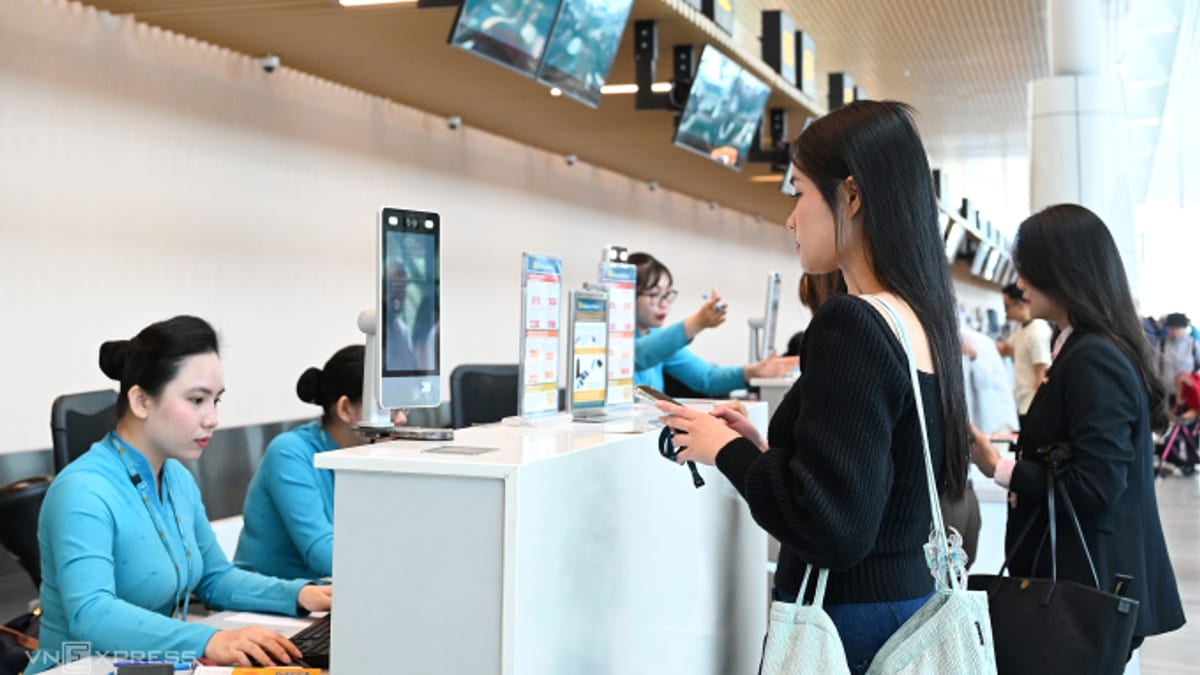
Image by e.vnexpress.net
Fuel supply fears cast doubt over upcoming schedules
Publicly available information from Vietnam’s aviation regulator and fuel suppliers indicates that domestic airlines are bracing for potential jet fuel shortages from early April 2026, after key regional exporters in China and Thailand curbed shipments. Industry reports describe a tight supply outlook in which existing contracts are expected to cover demand only through the end of March, leaving carriers uncertain about how many flights they can reliably operate in the months ahead.
Several analyses of the market note that jet fuel prices for Vietnam have more than doubled compared with previous years, with some assessments suggesting costs approaching or exceeding 200 dollars per barrel. At those levels, operating expenses for airlines can jump by 50 percent or more, eroding profitability on heavily trafficked domestic routes and forcing tough choices between cutting services, raising fares or both.
In response, Vietnam’s Civil Aviation Authority has put forward measures aimed at keeping aircraft in the air, including proposals for temporary tax relief on aviation fuel and the introduction of flexible fuel surcharges on domestic tickets. While such steps are designed to preserve connectivity, they also add to traveler unease by signaling that today’s ticket prices and timetables may not hold for long.
Financial commentary on flagship Vietnam Airlines and low cost rivals such as VietJet highlights how exposed carriers are to further shocks in the fuel market. With margins already thin and balance sheets still recovering from the pandemic, any prolonged shortage or price spike deepens the risk of more schedule cuts, last minute consolidations of lightly booked flights and broader network reshuffles that directly affect passengers’ plans.
Grounded jets and congestion squeeze capacity
Flight uncertainty in Vietnam is not only about fuel. Published data on fleet availability shows that airlines have been forced to ground dozens of aircraft over the past two years because of global engine inspection and repair backlogs, particularly on popular narrow body models used on domestic and regional routes. Although the number of out of service jets has eased slightly in recent months, industry updates suggest that maintenance bottlenecks will continue into 2026.
This reduced fleet capacity collides with strong demand. Vietnam’s aviation market has rebounded sharply, with tourism recovering and domestic travel expanding beyond Hanoi and Ho Chi Minh City to secondary destinations such as Da Nang, Nha Trang and Phu Quoc. Official statistics for 2024 and early 2025 already pointed to a widening gap between demand and available seats, and the prospect of fuel related flight reductions amplifies that imbalance.
At the same time, Vietnam’s two main gateways, Noi Bai in Hanoi and Tan Son Nhat in Ho Chi Minh City, are operating near or above their designed capacity during peak hours. Travel industry media describe long queues at security, aircraft waiting for take off slots and recurring bottlenecks at immigration and baggage reclaim, particularly around national holidays and long weekends. Plans for the new Long Thanh International Airport near Ho Chi Minh City aim to ease pressure in the future, but construction timelines mean no near term relief for today’s travelers.
The combined effect of grounded jets and congested infrastructure is a fragile flight schedule that can unravel quickly when disruptions occur. When a single departure is delayed for technical checks or weather, there are fewer spare aircraft and less slack in the system to absorb the shock, increasing the risk that knock on delays cascade across the network.
Punctuality slips as delays become a fact of travel
Statistics from Vietnam’s Civil Aviation Authority for 2024 and 2025 show a clear deterioration in on time performance. One recent summary of airline operations reported that punctuality across Vietnamese carriers fell to around two thirds of all flights, a drop of several percentage points year on year, even as passenger numbers hit new highs. Late arriving aircraft and airline related operational issues were cited as the main causes, ahead of weather or air traffic control restrictions.
Domestic travelers increasingly treat delays as an expected part of air travel, according to comments gathered in public forums and social media discussions. Regular flyers describe choosing early morning departures to avoid cascading afternoon delays, allowing wide buffers before connecting to tours, trains or international flights, and building in spare days at the end of trips in case a late cancellation forces rebooking.
International visitors, by contrast, often encounter Vietnam’s delays with less preparation. Travel blogs and online communities feature accounts of missed connections, same day schedule changes and flights moved by several hours or even days. While these anecdotes do not represent the experience of every traveler, they contribute to a perception that domestic carriers, particularly low cost operators, offer lower reliability than many passengers are used to elsewhere in the region.
Airlines point to efforts to improve punctuality, including streamlining turnaround procedures on the ground and adjusting timetables to better reflect actual block times. However, with limited spare aircraft and crowded runways, capacity to recover from disruptions remains constrained, reinforcing the sense that departure and arrival times in Vietnam are increasingly indicative rather than guaranteed.
Weather extremes and safety concerns add to anxiety
Vietnam’s location along the western edge of the South China Sea exposes its aviation network to tropical storms, heavy monsoon rains and coastal flooding. Recent typhoon seasons have brought multiple weather systems affecting central and northern provinces, with airports such as Da Nang, Dong Hoi and Tho Xuan at times suspending operations while storms passed. Flight tracking data and news coverage during these events show clusters of cancellations and diversions, with passengers stranded in hub cities or rerouted through alternative airports.
Heavy rainfall and reduced visibility around Ho Chi Minh City and Hanoi have also triggered repeated delays in recent wet seasons, as aircraft wait for conditions to improve or for runways to be inspected. For travelers already worried about schedule reliability, the added layer of seasonal weather disruption can feel daunting, especially for those unfamiliar with how airlines and airports manage safety margins in the region.
Separately, publicly available safety summaries from Vietnam’s aviation authority indicate an uptick in lower level incidents in recent reporting periods, many linked to human factors and runway incursions involving foreign objects or wildlife. While these events are categorized as minor and have not translated into major accidents, their visibility in domestic media has prompted closer scrutiny of safety practices and air traffic management at busy airports.
Together, more volatile weather patterns and heightened awareness of operational incidents contribute to a broader climate of unease. Even when flights operate normally, some passengers report feeling less confident about last minute schedule changes or extended tarmac waits during storms, interpreting routine safety precautions as signs of deeper systemic problems.
Travelers adapt as outlook remains uncertain
With fuel supply risks, grounded aircraft, congestion and weather all intersecting, analysts see limited scope for a quick return to pre disruption predictability in Vietnam’s skies. Industry forecasts still project strong medium term growth in passenger volumes, but the path toward that expansion is expected to be uneven, with periodic schedule adjustments and pricing swings as airlines respond to external shocks.
In the meantime, both domestic and international travelers are adjusting their behavior. Travel advisers increasingly encourage visitors to avoid tight same day connections, especially when combining domestic and international segments, and to consider flexible fares or travel insurance that can absorb rebooking costs. Some outbound Vietnamese travelers are shifting to cross border rail or bus services for near regional trips when viable, particularly on routes to Laos, Cambodia and southern China.
Vietnam’s aviation stakeholders are banking on infrastructure upgrades, regulatory support and gradual easing of supply chain constraints to stabilize operations over the next several years. Until those improvements materialize, however, the combination of fuel volatility, high load factors and climatic risks means that uncertainty will remain a defining feature of air travel in and out of the country.
For now, the message that emerges from published data and traveler reports is clear. Vietnam continues to be an accessible and increasingly popular destination, but passengers planning to fly should expect a wider margin of unpredictability than in the past and build that reality into their itineraries, budgets and peace of mind.