

More news on this day
South Korea has become the latest Asia Pacific destination to confront a painful convergence of soaring jet fuel costs and fragile tourism demand, joining markets such as India, Thailand, Singapore, Malaysia, Vietnam and the Philippines as airlines from Korean Air to SAS, Cathay Pacific and IndiGo rapidly rework their operations.
Get the latest news straight to your inbox!
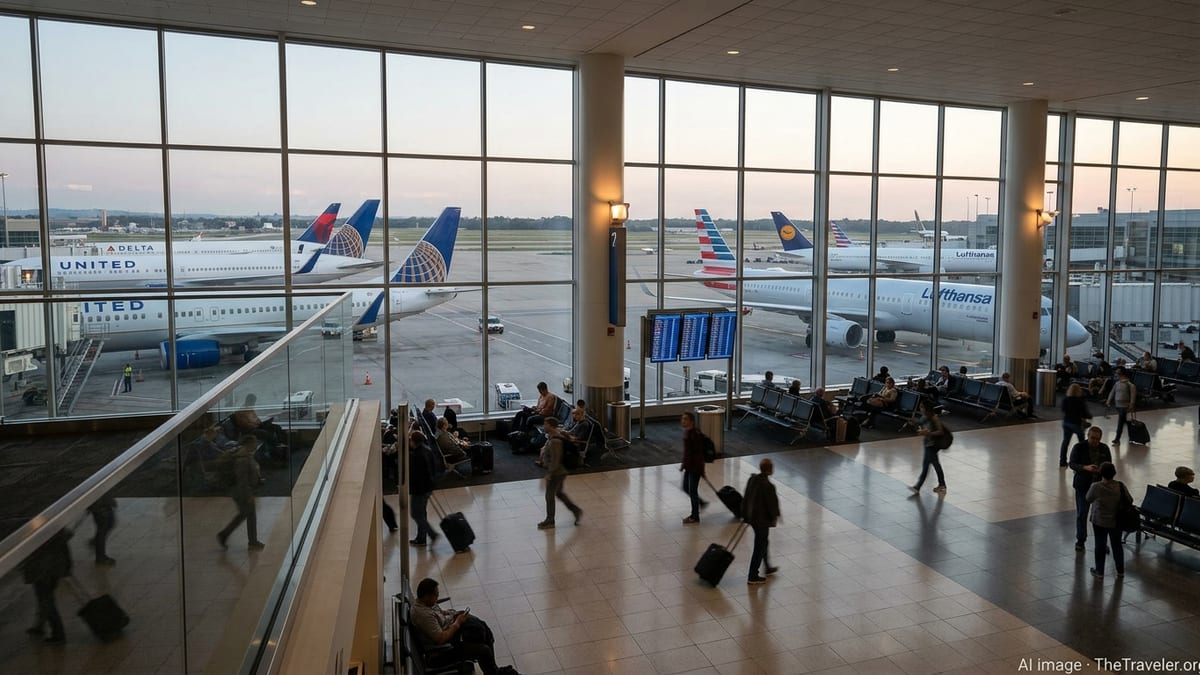
Jet Fuel Surge Hits Airlines Across Asia and Beyond
Published coverage from industry bodies and aviation media indicates that the price of jet fuel has climbed at an extraordinary pace in early 2026, with one recent assessment from the International Air Transport Association citing a near doubling in benchmark prices within weeks. Reports focused on South Korea highlight that carriers based in the country, which source much of their fuel from the Middle East, are suddenly facing sharply higher operating costs as supply routes tighten and premiums spike.
In parallel, travel trade outlets describe a wave of emergency measures among Asian airlines. Carriers in India and Southeast Asia have announced new or expanded fuel surcharges, capacity cuts on thinner routes and a renewed focus on high-yield business and long haul leisure traffic. According to regional business coverage, some low cost operators that built their models on dense short haul networks are now trimming frequencies and prioritising aircraft deployment on their strongest city pairs.
The pressure is not confined to Asia. Scandinavian Airlines, which links major Nordic gateways with Seoul and several Asian hubs, has reported a sharp jump in fuel expenses and has begun scaling back its schedule while preparing targeted fare increases. European aviation reports note that SAS has already removed hundreds of flights from its April timetable as part of a broader retrenchment in response to the fuel shock and closed or congested airspace along many traditional routes.
Analysts tracking airline performance say the combination of higher fuel bills and lingering structural costs from the pandemic era has left many carriers with little room to absorb additional shocks. As a result, network adjustments that might once have been limited to marginal routes are now affecting core regional connections, and airlines are revisiting fleet and financing plans that assumed more stable energy markets.
South Korea’s Tourism Balancing Act
South Korea entered 2026 with headline figures that suggested a solid tourism rebound. Publicly available data compiled by international tourism organisations show that the country hosted more than 16 million foreign visitors in 2024, nearing pre pandemic levels and cementing Seoul and Busan as key stops on Northeast Asia itineraries. Retail and hospitality sectors reported brisk trade as K pop, television dramas and major festivals drew a new wave of regional and long haul travellers.
Beneath those headline numbers, however, concerns over tourism balance sheets have been mounting. Korean language economic coverage has pointed to a widening travel account deficit, as outbound spending by Korean travellers outpaces inbound receipts from visitors. Travel agencies have also flagged signs of cooling growth in overseas package demand, particularly for long haul trips, leaving the country more exposed to volatility in inbound markets just as external cost pressures rise.
The latest fuel spike has sharpened these vulnerabilities. With jet fuel expenses suddenly higher, Korean carriers are reassessing the viability of some leisure oriented routes that were added aggressively during the post pandemic recovery. Reports shared by travel forums and local media note early moves by certain airlines to pare back frequencies to Southeast Asian beach destinations and secondary Japanese cities, while reinforcing trunk routes to North America and major regional hubs.
At the same time, South Korean tourism organisations are promoting campaigns aimed at sustaining the inbound momentum of 2023 and 2024, positioning the country as a value rich destination despite costlier airfares. Industry observers say the challenge will be converting strong brand interest into repeat visitation at a time when flights are becoming more expensive and, in some cases, less frequent.
Regional Hotspots: Southeast Asia Faces Fuel and Demand Frictions
Across Southeast Asia, the fuel shock is intersecting with uneven tourism recoveries in ways that are reshaping connectivity. In Vietnam, state and industry media have warned that aviation fuel suppliers have only secured sufficient volumes to cover airline needs through late March or mid April, raising the risk of shortages if international deliveries remain delayed. The Civil Aviation Authority has confirmed that carriers will adjust flight networks and capacity from April to conserve fuel and preserve profitability.
Thai carriers are responding with their own measures. Business media in Bangkok report that Thai Lion Air, Nok Air, Thai AirAsia and Thai AirAsia X have started trimming routes and reducing frequencies in their summer 2026 schedules as jet fuel costs spike. Some recently launched services, including new links to regional secondary cities, have already been suspended, undercutting efforts to disperse tourists beyond traditional hotspots such as Bangkok, Phuket and Chiang Mai.
Malaysia and the Philippines are seeing similar tensions. Coverage in regional trade outlets notes that AirAsia X and other Malaysian operators have moved to adjust fares and capacity, describing their approach as crisis driven as they juggle domestic connectivity needs with the economics of long haul flying. Philippine carriers, meanwhile, face the dual challenge of elevated fuel prices and infrastructure constraints at Manila’s main airport, limiting their ability to reconfigure flight banks quickly in response to shifting demand.
These developments come as several Southeast Asian destinations grapple with tourism plateaus or slower than expected growth. Official statements and domestic press from Thailand in particular have highlighted a year on year decline in visitor arrivals and tourism revenue in 2025, even before the latest fuel surge. The risk, analysts say, is that higher fares and thinner route maps could further dampen regional travel just as governments push to diversify source markets and lengthen stays.
Indian Subcontinent and Singapore: Adjustments in Key Hubs
In India, one of the world’s fastest growing aviation markets, carriers are walking a narrow line between sustaining robust capacity growth and managing fuel volatility. Reports in Indian business newspapers and travel media describe a series of stepped fuel surcharges rolled out by major airlines to offset the latest price increases. IndiGo, the country’s largest carrier by market share, has been highlighted as particularly active in recalibrating fares and tweaking schedules on domestic and short haul international routes.
Industry commentary suggests that Indian airlines are prioritising routes with strong corporate and visiting friends and relatives traffic, where demand tends to be less price sensitive. However, there is growing concern that higher fares on popular leisure routes, including services to Thailand, Singapore and Malaysia, could dampen outbound holiday travel from India, which has been a vital source of visitors for neighbouring destinations still rebuilding their tourism economies.
Singapore, a major aviation and tourism hub, is also feeling the effects of the fuel crunch. The city state’s airlines and airport operators are closely watched bellwethers for regional demand, and local business coverage indicates that carriers are reviewing non stop services on longer thin routes that have become significantly more expensive to operate. At the same time, Singapore’s role as a refuelling and transit hub has taken on renewed strategic importance amid concerns over jet fuel supply reliability elsewhere in the region.
Travel analysts note that while Singapore’s premium positioning and diversified visitor base give it more resilience than some competitors, sustained high fuel prices could still lead to higher ticket costs and more conservative capacity planning. That, in turn, may influence how quickly tourism dependent neighbours such as Indonesia, Malaysia and the Philippines can fully restore air connectivity to pre crisis levels.
Global Carriers Recalibrate Asia Strategies
The reverberations of Asia’s fuel and tourism challenges are extending to airlines headquartered far from the region, including European and Middle Eastern carriers that rely on Asian routes for a significant share of revenue. Scandinavian Airlines’ decision to cut flights and contemplate further fare increases in response to surging fuel prices has drawn particular attention, given its longstanding focus on connecting Nordic cities with destinations in East Asia.
Industry coverage indicates that other global carriers are quietly reviewing their own Asia capacity plans. Some are delaying the launch of new routes or seasonal services into markets where fuel costs and local demand conditions appear most uncertain, including parts of Southeast Asia. Others are redeploying widebody aircraft to transatlantic or intra European routes where demand is strong and fuel hedging positions offer more protection against short term price swings.
For airlines based in Asia, partnerships with these global players have become a key tool in maintaining connectivity without bearing the full cost of operating every long haul route themselves. Codeshare arrangements involving airlines such as Korean Air, Cathay Pacific and IndiGo allow them to preserve network breadth even as they trim individual frequencies or temporarily suspend marginal services.
Observers suggest that if fuel prices remain elevated and tourism performance diverges sharply between markets, the industry could see a more permanent redrawing of Asia’s air route map. In that scenario, hubs and destinations that succeed in stabilising fuel supply, managing costs and sustaining visitor demand will be best positioned to capture capacity from carriers looking to rationalise their global networks.