

More news on this day
Rising fuel costs and new sustainability levies are driving up airfares across Southeast Asia, putting fresh pressure on tourism-dependent economies as luxury hotels from Thailand to Singapore struggle to keep rooms filled outside peak periods.
Get the latest news straight to your inbox!
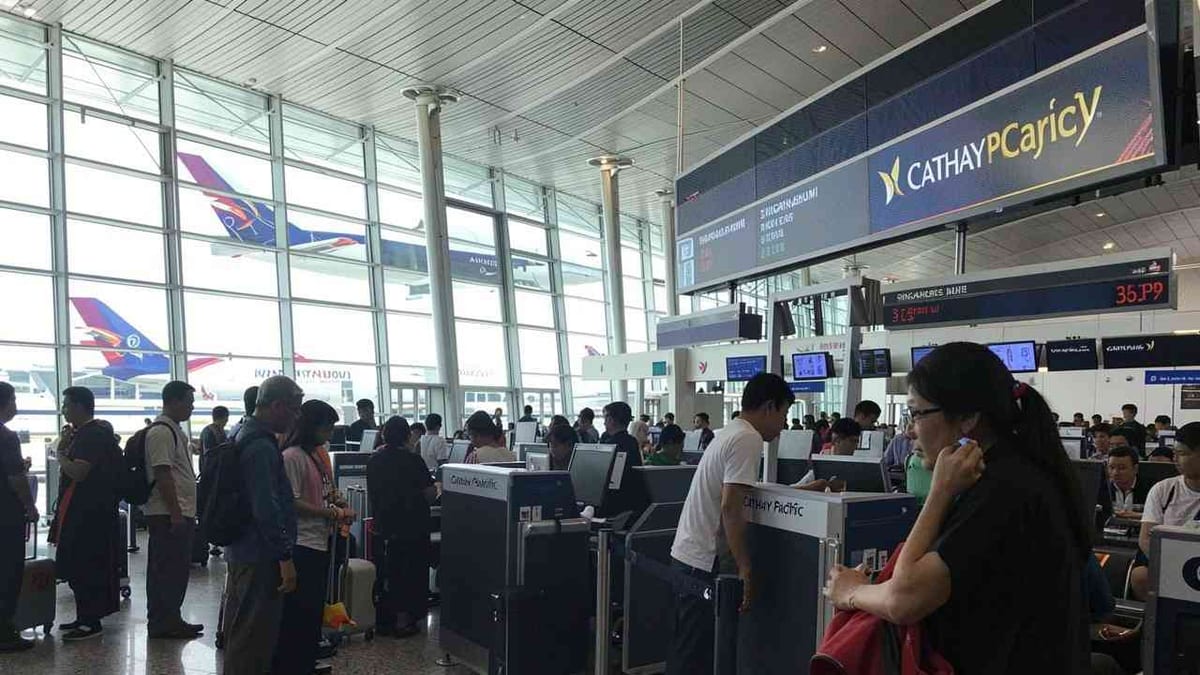
Image by Latest International / Global Travel News, Breaking World Travel News
Fuel Crisis Pushes Regional Airfares Higher
The latest round of fuel-related price adjustments by major carriers is rippling through Southeast Asia’s tourism market. Cathay Pacific has updated its fuel surcharge structure for 2026, nearly doubling surcharges on some long-haul tickets after earlier increases on award bookings and cash fares. At the same time, Singapore Airlines faces a new cost layer as Singapore introduces what reports describe as the region’s first sustainable aviation fuel levy on departing flights.
Singapore’s scheme, which takes effect from October 2026 for tickets sold from April, will add a distance-based levy to every ticket leaving Changi Airport. While the amounts per passenger are modest on short-haul routes, the charges compound already elevated base fares and airline-imposed surcharges. Travel agents and fare trackers report that long-haul business and premium economy tickets across several Asian carriers, including Cathay Pacific and Singapore Airlines, are noticeably more expensive than a year ago, even after accounting for seasonal fluctuations.
Publicly available airline bulletins indicate that fuel surcharges are now a permanent feature of most international tickets rather than a temporary response to oil volatility. This is particularly pronounced on routes connecting North Asia and Southeast Asia with Europe, North America and Australia, key long-haul markets for high-spending visitors to Thailand, Malaysia, Singapore, Vietnam and Cambodia. For price-sensitive leisure travellers, the cumulative increases are prompting itinerary changes, shorter stays or a switch to closer, lower-cost destinations.
The impact is especially acute as the region enters a period of slower global growth and heightened competition. With air connectivity largely restored to pre-pandemic levels, observers note that higher fares now act as a brake on demand just as airlines and hotels are racing to rebuild revenues.
Thailand’s Luxury Hotels Feel the Squeeze
Thailand, long positioned as Southeast Asia’s mass-market holiday powerhouse, is increasingly reliant on higher-yield visitors to sustain a growing stock of upscale and ultra-luxury rooms. Recent hospitality research and industry commentary point to a more challenging landscape in 2025 and early 2026: foreign arrivals have softened compared with earlier forecasts, while new five-star supply continues to open in Bangkok, Phuket, Samui and emerging beach destinations.
Market analyses from hotel consultancies show that Bangkok’s occupancy slipped in the first half of 2025 even as average daily rates, especially in the luxury tier, continued to rise. Operators in prime districts such as the riverside, Sukhumvit and central business areas are reported to be holding firm on pricing to protect revenue, but filling rooms has become more difficult outside holiday peaks and major events. Several mid- and upper-upscale projects delivered in 2024 and 2025 have added to the pressure, pushing hoteliers to chase a smaller pool of high-spending guests.
Regional reports also suggest that Chinese visitor numbers, once a major driver of five-star occupancy in Bangkok and resort markets, remain below earlier expectations. Combined with the rising cost of long-haul travel from Europe and North America, this has left luxury properties more exposed to swings in regional demand and currency movements. Promotional campaigns targeting domestic travellers and long-stay digital nomads have helped in some provincial destinations, but have not offset weaker international high-end demand in key city hotels.
Analysts note that while overall national occupancy remains relatively healthy, the picture at the luxury end is patchier. Some flagship properties in Bangkok and Phuket continue to post strong results during peak months, but a growing number of high-end hotels in secondary locations are resorting to quiet discounting through closed-user groups and flash sales to lift midweek and shoulder-season bookings.
Malaysia, Singapore, Vietnam and Cambodia Confront Softer High-End Demand
The strain is not confined to Thailand. Across Malaysia, Singapore, Vietnam and Cambodia, a combination of new luxury supply, changing travel patterns and higher airfares is weighing on premium hotel performance. Regional tourism outlooks show that while visitor arrivals have broadly trended upwards, average length of stay and spending patterns have shifted, with many travellers trading down from five-star properties to upscale or boutique options.
In Singapore, analysts tracking the hotel market highlight resilient occupancy in the city’s core luxury belt but note that room-rate growth has moderated as new inventory enters and corporate travel budgets remain tightly managed. The sustainable aviation fuel levy and broader cost-of-living pressures are expected to feed into corporate travel policies and conference budgets, potentially dampening demand for top-tier hotels hosting meetings and incentive groups.
Malaysia’s key gateways, including Kuala Lumpur and Penang, have welcomed a pipeline of branded luxury and lifestyle hotels since borders reopened. However, government data and industry commentary indicate that occupancy at the very top end has been uneven, with resorts along the east coast and island destinations particularly vulnerable to seasonal lulls and currency-driven outbound shifts in neighbouring markets. Hoteliers are increasingly dependent on regional short-haul travellers, who tend to be more sensitive to airfare and package prices than long-haul visitors.
Vietnam and Cambodia, both beneficiaries of strong post-pandemic tourism interest, are now grappling with similar issues. New luxury resorts along Vietnam’s central coast and in destinations such as Phu Quoc and Ha Long Bay, as well as high-end properties in Siem Reap and along Cambodia’s southern coast, are competing aggressively for a limited pool of affluent leisure guests. Reports from regional tourism bodies show that occupancy in some of these new developments trails earlier projections, with operators citing higher airfares and a slower-than-hoped recovery in long-haul charter and group business.
Fuel Economics Collide With Sustainability and Capacity Growth
The current situation is rooted in a complex mix of fuel market dynamics, sustainability commitments and capacity planning decisions made during the recovery from the pandemic. Benchmarks for jet fuel have climbed in tandem with broader energy market volatility linked to geopolitical tensions and supply constraints. Airlines have responded with successive adjustments to fuel surcharges and, in some cases, structural fare increases to protect margins.
At the same time, governments in the region are moving ahead with policies to accelerate the adoption of sustainable aviation fuel. Singapore’s levy is positioned as a way to fund cleaner fuels and reduce emissions, while Thailand, Malaysia and Vietnam are nurturing domestic SAF production. These initiatives support long-term climate goals but add near-term costs to air travel, particularly on long-haul routes that are central to the business models of many luxury hotels.
Capacity decisions are further complicating the picture. Carriers serving secondary coastal and island destinations have restored or expanded routes on the assumption of sustained tourism growth, while hotel developers across Southeast Asia pushed ahead with projects conceived before the fuel cost surge. The result, according to tourism outlook reports, is a mismatch in some markets between premium room supply and the volume of travellers willing or able to pay higher all-in trip costs.
Industry observers point out that, unlike the immediate post-pandemic period when pent-up demand overwhelmed capacity, travellers in 2025 and 2026 are more selective. With multiple competing sun-and-sea destinations worldwide, even modest airfare differentials can shift demand away from Southeast Asia, especially in the luxury and upper-upscale segments where travellers have a wide choice of alternatives.
Hotels Pivot Strategies as Competition Intensifies
Faced with rising distribution costs and uneven demand, luxury hotels across Thailand, Malaysia, Singapore, Vietnam and Cambodia are reworking their commercial strategies. Revenue managers are leaning more heavily on dynamic pricing, targeted offers and partnerships with credit card issuers and luxury travel agencies to stimulate bookings without broadly cutting rates.
Several hotel groups are reported to be intensifying efforts to capture direct bookings through loyalty programs, member-only discounts and tailored experience packages. These range from wellness retreats and culinary residencies to extended-stay offers that appeal to remote workers and long-stay guests who are less deterred by higher airfares. In resort markets, bundled offers combining transfers, excursions and dining credits are being used to demonstrate value even as nightly rates remain elevated.
Destination marketing organisations in the region are also adjusting their messaging, emphasising experiential and sustainable travel rather than pure price competitiveness. Campaigns highlight lesser-known secondary cities, nature-based attractions and cultural experiences in an attempt to spread demand beyond traditional hotspots and ease pressure on saturated luxury corridors. Some tourism boards are collaborating with airlines on co-funded promotions and limited-period fare sales to soften the impact of fuel surcharges on key source markets.
Despite the current headwinds, analysts note that Southeast Asia’s long-term appeal to international travellers remains strong. The challenge for the coming seasons will be to align air pricing, hotel supply and traveller expectations in a world where fuel economics and climate policies are permanently reshaping the cost of getting to, and staying in, the region’s most desirable luxury destinations.