

More news on this day
Holidaymakers heading to Italy and connecting through its northern airports are facing fresh uncertainty as temporary jet fuel restrictions trigger schedule reshuffles and heighten fears of wider travel disruption across Europe.
Get the latest news straight to your inbox!
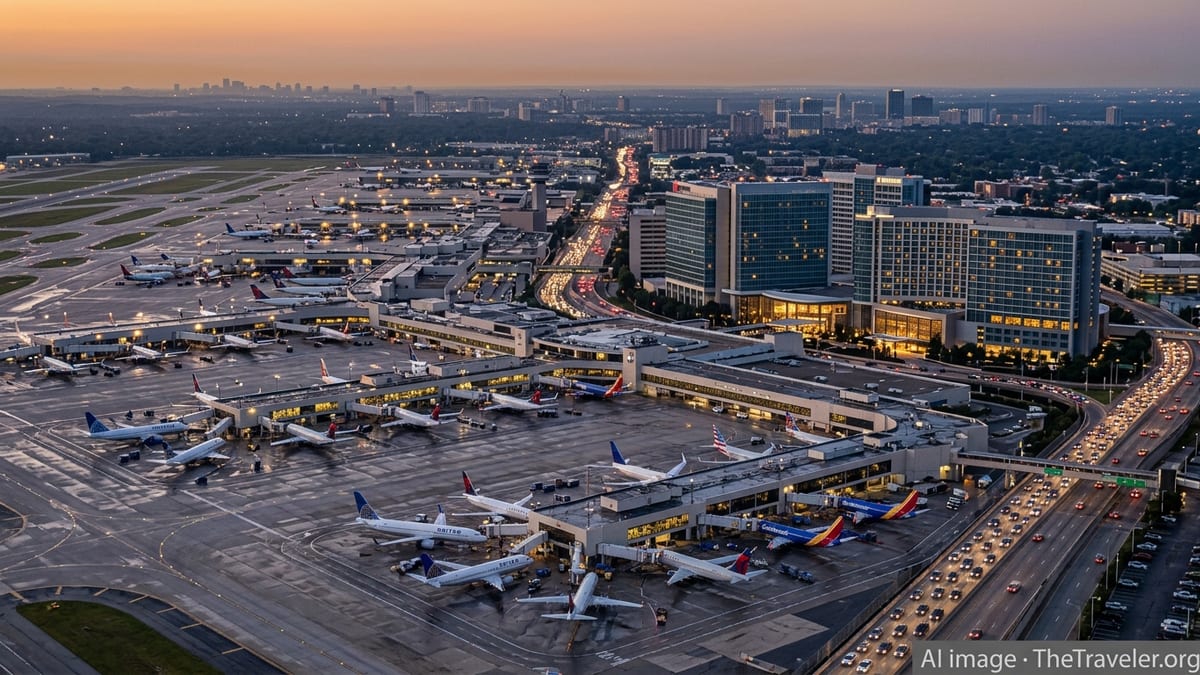
Fuel caps hit key Italian holiday gateways
Notices to airlines issued in early April introduced limits on how much jet fuel carriers can take on at Bologna, Milan Linate, Venice Marco Polo and Treviso, four airports that handle large volumes of leisure traffic as well as business routes. The measures, which apply for several days, instruct airlines to manage fuel loads more conservatively while suppliers work within constrained deliveries.
Reports from aviation bulletins and specialist travel outlets indicate that the restrictions are linked to broader turbulence in global fuel markets following the recent conflict involving Iran and disruptions to shipments through the Strait of Hormuz. Analysts describe the current steps in Italy as precautionary rationing rather than a complete shortage, but acknowledge that any limits at busy hubs can quickly ripple through airline schedules.
Local airport operators have publicly framed the situation as careful resource management, stressing that runways, terminals and ground services remain fully open. However, the decision to cap jet fuel uplifts at multiple airports in one region underlines how exposed European holiday traffic can be when supply chains tighten, especially at the start of the prime booking season.
The four affected airports serve as key gateways for visitors heading to destinations along the Adriatic coast, the Dolomites and the Venetian lagoon, and also function as feeders into wider European networks. Even modest constraints therefore carry the potential to complicate aircraft rotations, crew planning and connection times.
Knock-on risks for spring and early summer travel
Travel industry coverage suggests that airlines are currently managing the fuel warning primarily through operational tweaks rather than mass cancellations. These include adjusting routings to uplift more fuel at unaffected airports, fine-tuning weight and balance by limiting cargo on certain flights, and consolidating frequencies on overlapping routes.
More visible disruption could emerge if constraints persist into late spring, when European leisure demand traditionally accelerates. With the Italian restrictions presently framed as a short-term measure through at least 9 April, carriers are watching closely to see whether similar limits appear at other Mediterranean gateways that serve as popular beach and city-break destinations.
Consumer advocates quoted in regional media note that the risk is not limited to departures from Italy itself. Because Bologna, Venice, Linate and Treviso all function as connection points for flights deeper into southern Europe, schedule changes there can cascade into delays or missed links for travellers heading onward to Spain, Greece or Croatia.
At the same time, large European airlines have stressed in recent weeks that, despite higher fuel prices and supply tensions, they are not yet seeing systemic shortages across the continent. For now, the greatest uncertainty centres on how long global shipping and refinery disruptions will last, and whether localised rationing such as that in northern Italy will remain the exception or become more common as the summer peak approaches.
Holidaymakers weigh options amid mixed airline signals
The fuel warning comes as European travellers already face a complex backdrop of rising airfares and geopolitical worries. Surveys in major outbound markets, including Germany, point to a growing share of consumers reconsidering long-haul trips or shifting to shorter journeys within Europe due to concerns over energy prices and potential flight disruption.
Low-cost carriers, which play a dominant role in the Italian and Spanish holiday markets, have sent mixed signals in recent public comments. Some point to robust hedging positions that cover much of their 2026 fuel needs, while also warning investors that sustained interruptions to jet fuel deliveries from the Middle East could eventually force capacity cuts or selective route suspensions.
One high-profile budget airline has recently indicated that it would consider cancelling flights from June onward if jet fuel supplies do not stabilise, specifically highlighting routes to Spain and other sun destinations as areas of potential risk. While no firm plans have been announced, such statements are adding to unease among travellers booking trips for late summer.
Package tour operators and online agencies are reporting increased enquiries from customers seeking reassurance that their flights will operate as planned. Some intermediaries are responding by favouring itineraries that avoid tight connections at hubs affected by fuel limits, or by steering clients toward early-morning departures that airlines are generally more reluctant to cut when trimming schedules.
How the jet fuel squeeze reached Italian airports
Publicly available analysis from aviation and energy bodies traces the Italian fuel warning back to a chain of events that began far from Europe. The conflict involving Iran and the closure or restriction of shipping lanes near the Strait of Hormuz have been described by international agencies as one of the largest disruptions to global oil supply in modern times.
With a significant share of Europe’s jet fuel and diesel imports sourced from refineries that rely on crude transiting these waterways, any interruption has an outsized effect on aviation. As tankers are rerouted and refinery output patterns shift, local shortages or bottlenecks can emerge even when overall regional stockpiles appear adequate on paper.
In recent weeks, specialist economic reports have highlighted Italy and other southern European economies as particularly exposed to the energy shock, given their dependence on imported fuels and the importance of tourism to their GDP. The current fuel caps at northern Italian airports are being treated as an early stress test of how infrastructure and airlines adapt under pressure.
Experts point out that Europe also benefits from strategic reserves, diversified suppliers and coordinated planning at the European Union level, all of which can mitigate the impact of short-lived disruptions. The situation in Italy is therefore being watched closely as a barometer of whether these safeguards are sufficient to keep peak-season travel broadly on track.
What travellers should expect in the coming weeks
With the fuel restrictions at Bologna, Linate, Venice and Treviso currently framed as temporary, most published guidance focuses on practical steps rather than alarm. Travelers scheduled to pass through the affected airports in April are being urged by airlines and travel agents to monitor flight status closely, enable app notifications, and allow extra time for connections where possible.
Flexible booking policies, introduced widely during recent years of pandemic and strike-related disruption, remain a useful buffer. Some carriers are offering fee waivers or simple rebooking options for passengers willing to shift to less congested days or alternative airports, which can also help airlines smooth fuel use and network loads.
Looking further ahead to the main summer holiday period, much depends on whether global fuel flows settle after the initial shock of the Iran conflict. If shipping lanes reopen and refineries ramp up output, the Italian episode may be remembered as a brief scare that prompted logistical fine-tuning rather than widespread cancellations.
For now, however, the jet fuel warning at one of Europe’s most popular holiday gateways is a reminder of how sensitive modern air travel is to events far beyond the departure board. Even when flights continue to operate, a tightening of fuel supply in a handful of airports can be enough to reshape itineraries, shift demand and nudge travellers into rethinking when and how they fly.