

Georgia rewards travelers with mountain waterfalls, coastal marshes, historic cities, and small towns steeped in Southern culture. Yet many trips fall short because visitors underestimate distances, misread the weather, or arrive at the wrong time in the wrong place. With tourism growing in popular spots from Blue Ridge to Savannah and Tybee Island, smart planning matters more than ever. Here are some of the most common Georgia trip planning mistakes and how to avoid them.
Ignoring Georgia’s Distances, Traffic, and Driving Realities
On a map, Georgia can look compact. In reality, the state is large, and key destinations are spread out. Visitors frequently underestimate how long it takes to drive between Atlanta, the North Georgia mountains, and the coast. The route from Atlanta to Savannah typically takes about three and a half to four hours in normal traffic, while driving from Atlanta to Tybee Island is closer to four to four and a half hours, even before you factor in holiday or summer congestion. Treating these as casual day trips often leads to exhausted drivers, rushed sightseeing, and safety risks on the highway.
Atlanta’s traffic is another planning trap. Locals build their lives around avoiding weekday rush hours, yet many visitors schedule arrival and departure times that drop them into the worst of it. Departing Atlanta on a Friday afternoon for the mountains or the coast can add an hour or more to the drive. Similarly, returning Sunday afternoon often means crawling back toward the city with thousands of other weekenders. A better plan is to travel early in the morning or later in the evening and bake extra time into your schedule for roadwork, accidents, or heavy rain.
Once you leave the interstate, expect slower speeds on winding mountain roads and coastal causeways. Scenic highways in North Georgia are beautiful but often two lanes, with limited passing zones and plenty of sharp curves. Coastal roads toward Tybee Island and the Golden Isles can back up for miles during peak season, especially on Saturdays and holiday weekends. Planning realistic drive times, choosing non-peak departure windows, and avoiding overpacked itineraries will make the difference between a relaxed road trip and a stressful slog.
Visiting Popular Spots at the Wrong Time
Georgia’s most recognizable destinations have become victims of their own success, and timing your visit is now as important as choosing where to go. Mountain towns like Blue Ridge and Ellijay see intense weekend crowds in fall when leaf color and apple season are at their peak. Roads designed for small-town traffic can turn into slow-moving parking lots, while trailheads, orchards, and popular waterfalls fill by mid-morning. Travelers who imagine a quiet mountain escape often find long lines, limited parking, and jam-packed overlooks instead.
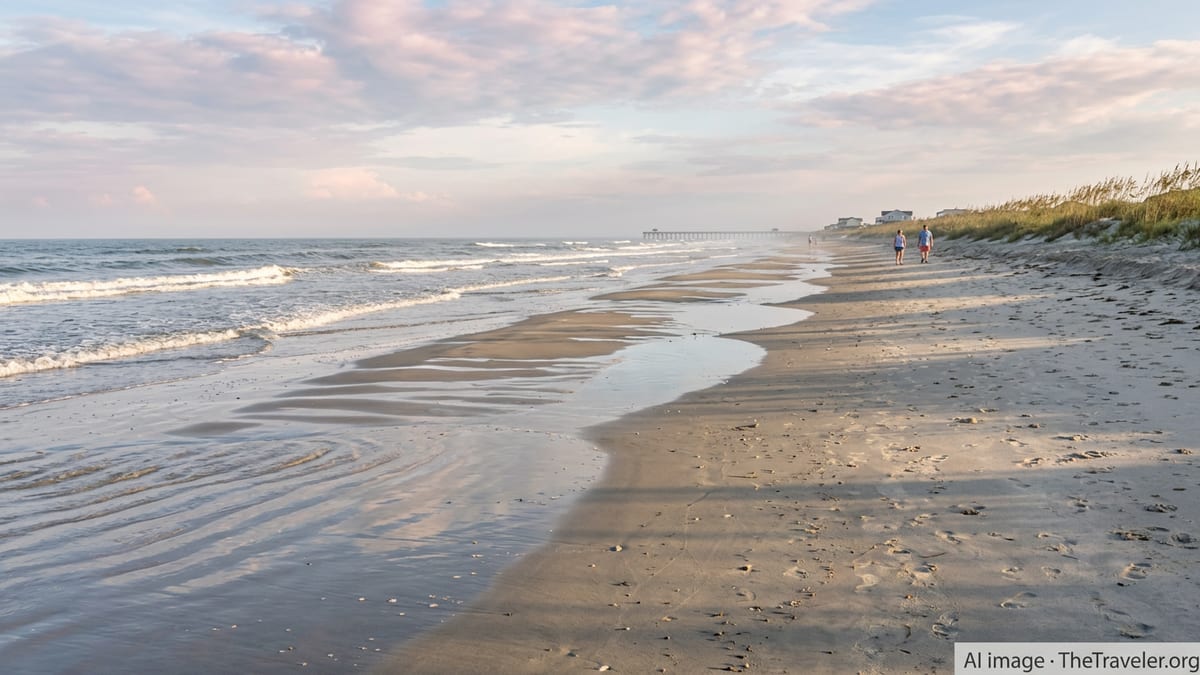
On the coast, Tybee Island and popular stretches of the Golden Isles struggle with summer weekend gridlock. A short, twenty-odd mile drive from Savannah to Tybee can take an hour or more during peak beach days, and parking near the pier or main access points becomes highly competitive. These realities do not mean you should skip these places entirely, but you should plan strategically. Shoulder seasons in spring and late fall often offer milder weather, fewer crowds, and better lodging availability, while midweek stays usually feel less hectic than Thursday through Sunday visits.
Savannah and Atlanta’s marquee attractions also require thoughtful timing. In Savannah’s historic district, late-morning through early evening can be dominated by tour groups, party trolleys, and riverfront crowds, especially on weekends and around major events. In downtown Atlanta, big-ticket attractions like the aquarium and nearby museums are busiest on school holidays and rainy days. Planning early-morning entries, purchasing timed tickets where available, and building in quiet breaks in less-trafficked neighborhoods will help you experience these cities beyond their most crowded hours.
Underestimating Heat, Humidity, and Coastal Conditions
Travelers who associate Georgia with gentle Southern breezes are often caught off guard by the state’s climate, particularly from late spring through early fall. High humidity across much of Georgia can make moderate temperatures feel significantly hotter, and heat indices in summer frequently climb well above the actual air temperature. Long days of walking in Savannah, hiking in the mountains, or lounging on the beach quickly become miserable if you are not prepared with water, shade, and sun protection.
Coastal conditions introduce additional considerations. On barrier islands and marsh-front communities, sun exposure is intense due to the combination of open water, sand, and reflective surfaces. Even on hazy or breezy days, sunburn and dehydration are common for unprepared visitors. Afternoon thunderstorms are frequent in the warm months and can build quickly, turning calm beach days or boat excursions into fast-changing weather situations. Treat weather forecasts as a key planning tool, and be ready to adjust plans if storms are rolling in or heat advisories are issued.
Many visitors also underestimate the presence of wildlife in Georgia’s coastal and southern regions. Alligators, for example, are part of the ecosystem in coastal marshes, tidal creeks, and some freshwater ponds. They generally avoid humans, but approaching them for photos or walking too close to the water’s edge at dusk or dawn can be dangerous. Smart planning means observing posted warning signs, supervising children closely near water, and keeping a respectful distance from any wild animal you encounter.
Overpacking Itineraries and Ignoring Local Pace
A frequent Georgia trip mistake is treating the state like a checklist of famous stops instead of choosing a manageable cluster of destinations. Trying to combine a full Atlanta city break, several days in the North Georgia mountains, and a coastal stay around Savannah or the Golden Isles in a single long weekend almost guarantees burnout. Travel days consume more time than most visitors expect, and hopping between multiple regions leaves little room for unexpected discoveries, weather shifts, or simple rest.
Georgia’s charm also lies in its slower rhythms, particularly in small towns and rural areas. Independent restaurants may keep limited hours, and some shops close early or remain shut on certain weekdays. Visitors accustomed to round-the-clock big-city services sometimes misinterpret this as unfriendliness or a lack of options. In reality, planning your days around when key attractions, wineries, or historic sites are open will lead to a smoother experience. Build generous downtime into each day rather than scheduling back-to-back reservations from morning until night.
Another oversight is ignoring how traffic and crowd patterns shape local routines. In mountain communities, residents often avoid popular trailheads on Saturday midday and instead hike early or on weekdays. On the coast, locals plan grocery runs and errands away from the heaviest beach traffic. Taking your cues from that local rhythm by asking your hosts or hotel staff for timing advice can transform your trip. You might discover that an early sunrise beach walk or a late-afternoon mountain overlook offers the peaceful atmosphere you hoped for, while the midday rush becomes your time to relax indoors or explore quieter corners.
Focusing Only on the Most Famous Spots
Georgia’s tourism spotlight shines brightest on a handful of names: Savannah, Tybee Island, Blue Ridge, and a few heavily promoted mountain towns and islands. While there is good reason for their popularity, concentrating solely on these destinations overlooks a wide range of less-crowded alternatives that capture the same spirit with fewer logistical headaches. In the mountains, for instance, many seasoned hikers now seek out lesser-known trails and wilderness areas to avoid the congestion at marquee waterfalls and overlooks. Planning time in smaller state parks, national forest sections, or out-of-the-way lakes can provide the solitude and scenery often missing in the busiest spots.
Along the coast, travelers who only know Tybee Island may be surprised by the quieter feel of other coastal communities and islands, especially outside peak holiday weekends. Inland, historic towns with well-preserved squares and main streets offer architecture and local culture that echo Savannah on a more intimate scale. Skipping these places because they are less publicized is a missed opportunity. Your trip may feel richer if you pair one signature destination with one or two smaller communities nearby, rather than hopping between the same well-trod circuit everyone else follows.
This principle also applies within major cities. In Atlanta, many visitors never venture beyond a compact cluster of downtown attractions, even though distinctive neighborhoods, parks, and food districts spread across the metro area. In Savannah, some travelers stay only within a few famous streets close to the riverfront and miss quieter residential squares, riverside parks, or nearby nature preserves. A bit of pre-trip research and flexibility will help you move beyond the most photographed corners to areas where everyday life continues at a more relaxed pace.
Misjudging Costs, Parking, and Accommodation Demand
Another common Georgia trip planning error is assuming that everything in the state will be inexpensive or easy to arrange at the last minute. While rural areas and smaller towns can offer good value, prices in high-demand destinations reflect their popularity. Beachfront accommodations on Tybee Island or the Golden Isles, historic district lodgings in Savannah, and well-located cabins in North Georgia often book up months in advance for prime weekends and holidays. Waiting until the last moment can leave you with limited choices or force you into longer commutes from outlying areas.
Parking is also frequently underestimated. In city centers and busy coastal zones, you should expect a mix of metered spaces, garages, and pay-by-app systems. Free, convenient parking directly in front of major attractions is increasingly rare. On Tybee Island and similarly popular beach areas, paid parking is common near piers, beach access points, and commercial districts, and enforcement is active. Travelers who arrive without understanding local parking rules risk tickets, towing, or long walks from distant lots. Budgeting for parking fees, reading posted signs carefully, and asking your accommodation about parking options will reduce unwelcome surprises.
Food and activity costs can add up as well. Well-known restaurants in Savannah, Atlanta, or mountain resort towns often price on par with other major tourist regions in the United States. Special experiences such as guided tours, boat trips, or premium attraction tickets should be factored into your budget in advance. Rather than cutting corners at the last minute, plan a realistic daily spending range and identify a mix of simple, low-cost experiences such as public parks and self-guided walks alongside a handful of pricier highlights you do not want to miss.
Overlooking Safety Basics and Local Etiquette
Georgia is broadly welcoming to visitors, but commonplace travel-safety habits still apply. A planning mistake many travelers make is assuming that familiar surroundings or friendly interactions reduce the need for caution. As in any state, urban and rural areas can have pockets where it is wise to stay alert, especially at night. Avoid deserted streets and poorly lit areas, lock vehicles even in seemingly quiet towns, and keep valuables out of sight. Solo travelers should take ordinary precautions with drinks, rideshares, and new acquaintances.
On the roads, safety deserves special attention. Long stretches between destinations can tempt drivers to push through fatigue, especially on return legs to Atlanta or other major hubs. Night driving on rural highways or two-lane mountain roads requires more focus due to limited lighting, wildlife crossings, and occasional sharp curves. Planning your days so that the bulk of your driving happens in daylight, sharing driving duties when possible, and building in rest stops will help keep you alert. If severe weather is in the forecast, be prepared to delay departure rather than attempting to outrun storms.
Respect for local etiquette is equally important, particularly in historic districts, residential areas, and natural sites. In Savannah and coastal communities, noise carries easily through narrow streets and along the water. Late-night partying in residential areas can strain relations between visitors and locals. In mountain towns and small communities, travelers sometimes trespass onto private property in search of views or shortcuts to rivers and waterfalls. Staying on marked trails, honoring posted signs, and keeping noise reasonable are simple ways to protect both your trip and the places you have come to enjoy.
The Takeaway
Planning a rewarding trip to Georgia requires more than booking a room and pointing your car toward the interstate. The most frequent mistakes involve ignoring the realities of distance and traffic, arriving at peak times without a backup plan, underestimating the intensity of heat and humidity, and crowding itineraries so tightly that there is no space for spontaneity. Visitors who focus only on the most famous spots, misjudge costs and parking, or overlook safety and etiquette can end up stressed in places that are meant to feel relaxing.
By contrast, travelers who do a bit of homework on seasonal patterns, local driving conditions, and lesser-known destinations often leave with a much deeper appreciation for the Peach State. They plan drives outside rush hour, schedule city attractions and mountain hikes for off-peak times, and balance marquee sights with quieter towns and trails. They respect the climate and coastal environment, budget realistically, and align their expectations with the slower rhythms that define so much of life here. Approach Georgia with that mindset, and you are far more likely to experience the blend of natural beauty, history, and hospitality that keeps people returning year after year.
FAQ
Q1. Is Georgia (the U.S. state) easy to explore without a car?
It is possible to visit parts of Georgia without a car, especially in Atlanta and Savannah, but reaching mountains, small towns, and many coastal areas is much easier with your own vehicle.
Q2. When is the best time of year to visit Georgia to avoid crowds?
Shoulder seasons in spring and late fall generally offer fewer crowds than peak summer and major holiday periods, especially for mountain towns, beach destinations, and historic districts.
Q3. How many days do I need for a first trip to Georgia?
A long weekend can work for a single region such as Savannah or the North Georgia mountains, but five to seven days is better if you want to combine two areas without rushing.
Q4. Is summer too hot for outdoor activities in Georgia?
Summer can be very hot and humid, but early-morning and late-afternoon activities are often comfortable. Plan for shade, water, and rest breaks, and avoid strenuous midday exertion.
Q5. Do I need to book accommodations far in advance?
For popular beach areas, mountain cabins, and historic districts during peak seasons or holiday weekends, it is wise to reserve months ahead. Off-peak midweek stays are usually more flexible.
Q6. Are Georgia’s beaches and coastal areas suitable for families?
Many coastal communities and islands in Georgia appeal to families, with gentle beaches and shallow tidal areas, but parents should supervise children closely and pay attention to local safety advisories.
Q7. How should I plan for parking in cities like Atlanta and Savannah?
Expect a mix of garages, metered spaces, and pay-by-app systems. Check whether your hotel includes parking and budget for daily parking costs near major attractions or in historic areas.
Q8. Is it safe to hike in Georgia’s mountains without a guide?
Many marked trails are suitable for independent hikers, but you should research trail conditions, carry a map or downloaded route, pack water and basic supplies, and avoid venturing off marked paths.
Q9. Can I comfortably combine Atlanta, the mountains, and the coast in one trip?
You can, but it is better suited to a longer trip of a week or more. Otherwise you will spend much of your time driving instead of enjoying each region in depth.
Q10. What is one planning step that first-time visitors to Georgia often overlook?
First-time visitors often overlook how local traffic patterns and weekend surges affect travel time. Checking drive times by day and hour and planning early departures can dramatically improve your experience.