

Georgia and North Carolina sit side by side in the American South, yet they offer strikingly different blends of mountain scenery, historic towns, and booming cities. For travelers choosing between them, the decision often comes down to what kind of landscape and urban experience they want: Georgia’s gentler Blue Ridge foothills and sprawling Atlanta, or North Carolina’s towering Appalachian peaks and a network of mid-sized, livable cities. This guide compares both states through the lens of mountains and cities to help you decide which destination best fits your next trip.
Geography and First Impressions
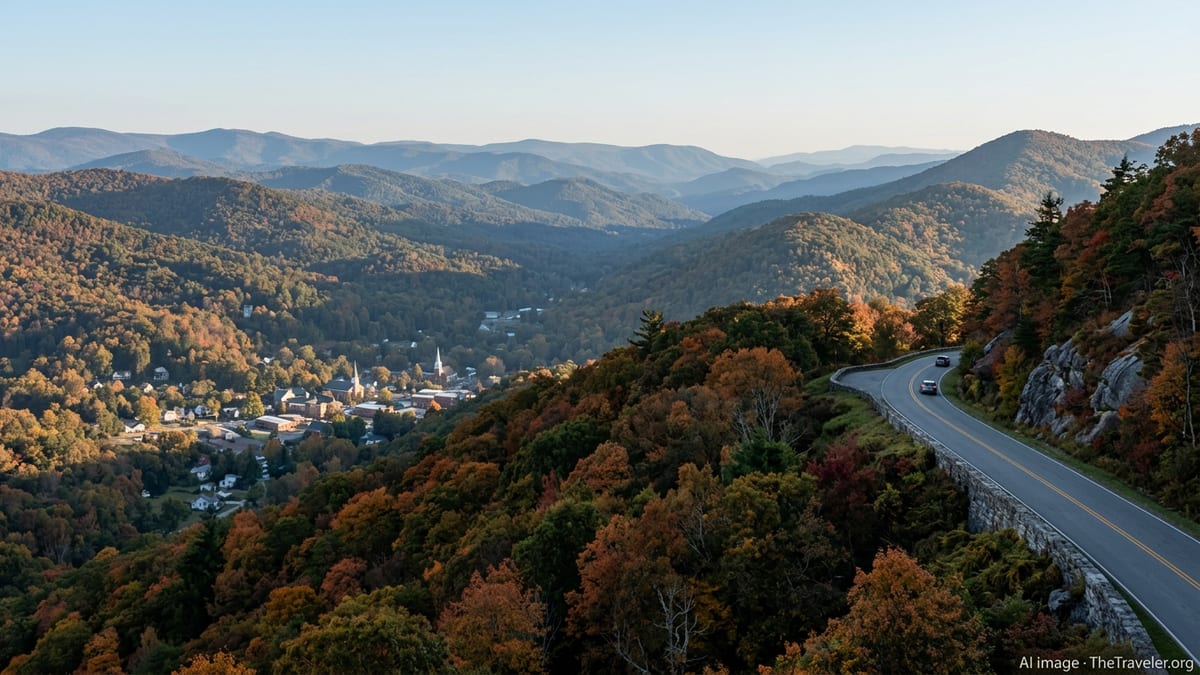
Georgia and North Carolina share the Blue Ridge chain of the Appalachian Mountains, but the way those mountains shape each state’s character is very different. North Carolina’s high, rugged ridgelines define much of its western edge and set the tone for some of the most dramatic scenery in the eastern United States. Georgia’s mountains sit mostly in the far north of the state, where folded valleys and softer summits form a compact playground within a few hours’ drive of Atlanta.
From a city perspective, Georgia is dominated by the Atlanta metro area, a sprawling, fast-growing hub of business, film production, sports, and culture. North Carolina, by contrast, spreads its energy across multiple urban centers: Charlotte, Raleigh, Durham, Greensboro, and Asheville each offer a distinct flavor. That difference alone can change how your trip feels, whether you prefer one big anchor city or a road trip that hops between several smaller ones.
Seasonally, both states offer four distinct seasons, though North Carolina’s higher elevations see cooler summers and more frequent snowfall. Georgia’s climate skews warmer and more humid at lower elevations, which can be a plus for shoulder-season hiking and city strolling, especially in spring and late autumn.
First-time visitors often find that North Carolina feels immediately like a mountain state with coast-to-peak diversity, while Georgia feels more like a classic Deep South destination whose mountain region is a rewarding side trip rather than the whole story.
Mountain Landscapes: Height vs Variety
When it comes to sheer mountain elevation, North Carolina is the heavyweight. The state is home to Mount Mitchell, the highest summit in the eastern United States at over 6,600 feet, set within a state park of spruce-fir forests that feel more like New England than the South. Surrounding ranges such as the Black Mountains, the Great Balsam Mountains, and the rugged peaks along the Blue Ridge Parkway create a sense of deep, layered wilderness and long-distance vistas.
Georgia’s mountains are lower but still dramatic, with peaks such as Brasstown Bald rising above 4,000 feet and a landscape laced with waterfalls, trout streams, and hardwood forests. The terrain here often feels more intimate: rolling ridges, cozy valleys, and small lakes that are easy to explore in half-day outings. Travelers who are new to mountain driving or hiking often find north Georgia’s roads and trails a little less intimidating than North Carolina’s steep switchbacks and lofty parkway overlooks.
Both states share the cultural and ecological character of the Southern Appalachians, with rhododendron tunnels, flame azalea in spring, and brilliant fall color. The difference lies in scale. North Carolina’s high-elevation zones offer long, cool summers and even rare spruce-fir mountaintop ecosystems, while Georgia’s ranges transition more quickly into the piedmont and lowlands, keeping you close to warmer-weather activities and major highways.
If your priority is standing on the highest peaks in the East, North Carolina is the clear pick. If you prefer an approachable mountain region that pairs easily with a big-city weekend, Georgia’s smaller but scenic ranges work beautifully.
Signature Mountain Towns and Gateways
North Carolina’s mountain towns are deeply woven into the identity of the state. Asheville sits at the crossroads of several ridgelines and the Blue Ridge Parkway, with a lively food and craft beer scene, historic architecture, and easy access to countless trailheads. Further north, Boone and Blowing Rock bring a college-town feel and cool summers, with festivals, live music, and quick access to parkway overlooks and ski areas. Smaller communities like Hot Springs, Tryon, and Bryson City offer quiet bases close to rivers, hot springs, and Great Smoky Mountains National Park.
Georgia’s mountain gateways have a different personality. Blue Ridge, Dahlonega, Ellijay, and Helen each mix mountain scenery with strong doses of small-town charm. Blue Ridge is known for its scenic railway, lake access, and cabin rentals tucked into wooded hillsides. Dahlonega leans into its gold rush heritage and burgeoning wine country, while Helen offers Bavarian-style architecture along the Chattahoochee River that creates a playful, almost theme-park atmosphere backed by real forested hills.
In terms of access, both states do well for road trippers. In North Carolina, I-26, I-40, and U.S. highways climb straight into the mountains, while the Blue Ridge Parkway creates a scenic backbone. In Georgia, highways radiate from Atlanta into the north, and within a couple of hours you can go from an international airport to a cabin porch listening to tree frogs and owls.
For travelers seeking a blend of culture and wilderness, Asheville stands out as perhaps the most complete mountain city in either state. For those who prefer a quieter cabin escape with a touch of novelty, towns like Blue Ridge or Helen in Georgia deliver that low-key, vacation-friendly feel.
Outdoor Adventures: Hiking, Driving, and Waterways
Both Georgia and North Carolina are powerhouses for outdoor recreation, but they serve slightly different adventure profiles. North Carolina’s western third is a maze of national forests and parks, including large sections of Pisgah and Nantahala National Forests and the North Carolina side of Great Smoky Mountains National Park. Long-distance routes like the Appalachian Trail and the Mountains-to-Sea Trail intersect with shorter day hikes to waterfalls, balds, and craggy viewpoints.
The Blue Ridge Parkway is a highlight for many visitors to North Carolina, providing 469 miles of scenic driving between Great Smoky Mountains and Shenandoah National Parks, with some of its most dramatic stretches near Asheville. Here, pullouts lead to hikes at places like Craggy Gardens, Graveyard Fields, and Mount Pisgah, and the road itself becomes a destination for fall foliage drives and spring wildflower viewing.
Georgia’s outdoor appeal is more compact but no less rewarding. The southern terminus of the Appalachian Trail sits at Springer Mountain, and the surrounding Chattahoochee-Oconee National Forest offers an accessible network of trails and forest roads. Waterfall hikes, such as those near Tallulah Gorge and Amicalola Falls, are classic family outings. North Georgia’s rivers and lakes support rafting, kayaking, and stand-up paddling, with milder whitewater than some of North Carolina’s rougher stretches, making it suitable for mixed-ability groups.
Water-based adventures are a strong suit for both states. North Carolina’s swift rivers and deep reservoirs support rafting, fly-fishing, and boating, particularly near the Smokies and in the High Country. Georgia counters with warmer swimming holes, tubing on the Chattahoochee, and houseboat-friendly lakes in the foothills. If your ideal trip revolves around back-to-back trail days and high ridgelines, North Carolina holds the edge. If you prefer a balance of short hikes, scenic drives, and relaxed time on the water, Georgia is often easier to tailor to a wide range of travelers.
Atlanta vs North Carolina’s Urban Triangle
On the city front, the clearest comparison is between Atlanta and the combined pull of Charlotte, Raleigh, and Durham. Atlanta is one of the South’s major global gateways, with a huge international airport, big-league sports teams, and a skyline emblematic of the modern Sun Belt. Neighborhoods such as Midtown, Inman Park, and the BeltLine corridor showcase contemporary Southern dining, street art, and green space, while major attractions include civil rights landmarks, museums, and performance venues.
Charlotte, North Carolina’s largest city, has grown into a financial and professional-services center with a sleek, walkable uptown, a strong craft beer presence, and easy access to both the mountains and the coast by car. Raleigh and Durham anchor the Research Triangle, where universities and tech firms drive a young, educated population and a thriving restaurant scene. Neither city matches Atlanta’s raw size or intensity, but together they offer a network of mid-sized cities that many travelers find manageable and livable for a long weekend.
For visitors who want a single, high-energy base with big-city nightlife before or after a mountain trip, Atlanta has undeniable appeal. Its cultural institutions, concerts, arenas, and festivals are on a national scale, and it serves as an easy arrival point from many domestic and international origins. The tradeoff is traffic and a learning curve for first-time drivers in the metro area.
North Carolina’s cities feel more dispersed and generally less overwhelming. Charlotte offers pro sports and uptown towers but quickly gives way to leafy neighborhoods and greenways. Raleigh and Durham are rich in museums, indie music venues, and college-town energy, all within a more compact footprint. If your priority is a calmer city break paired with mountain access, North Carolina’s urban triangle may feel more approachable than Atlanta’s vast sprawl.
Cultural Atmosphere and Local Flavor
Culturally, Georgia and North Carolina share many Southern traditions, yet their atmospheres are distinct. Georgia carries the weight of classic Deep South imagery, from antebellum architecture and civil rights history in Atlanta to small towns where old brick storefronts line courthouse squares. The culinary scene features everything from meat-and-three diners and barbecue joints to acclaimed modern Southern restaurants. In the mountains, local craft breweries, wineries, and seasonal festivals create a social focus for both residents and visitors.
North Carolina, especially in the mountains, has long been associated with Appalachian music, crafts, and folklore. Bluegrass and old-time music filter out of festivals, breweries, and jam sessions, and artisan communities around Asheville and along the Blue Ridge Parkway showcase traditional and contemporary crafts. The state’s cities add layers of university-driven culture, with theaters, galleries, and science museums giving city breaks a more academic and experimental edge.
In both states, you will find welcoming communities and a growing emphasis on regional ingredients, local beer, and small producers. North Carolina has gained particular attention for its craft breweries, notably in Asheville, while Georgia’s wine country in the north and its expanding brewery scene in Atlanta and beyond attract enthusiasts.
For travelers, the cultural difference often comes down to tone. Georgia can feel more urban and cosmopolitan in and around Atlanta, with mountain areas as a quieter counterpoint. North Carolina’s cultural identity often feels evenly split between the mountains and its university-centered cities, giving a stronger sense of continuity as you move from wilderness to downtown.
Practicalities: Access, Seasons, and Trip Planning
Travel logistics are a major factor in choosing between Georgia and North Carolina. Atlanta’s airport ranks among the world’s busiest, which gives Georgia an advantage for direct flights from many destinations. From the airport, most north Georgia mountain towns are a two to three hour drive, which makes it realistic to land in the morning and be settled into a cabin before sunset.
North Carolina’s major airports in Charlotte and Raleigh-Durham offer robust connections as well, and regional airports near Asheville and in the Triad provide additional options. However, international travelers may need a connection, and some mountain regions require longer drives on winding roads. Those drives, while beautiful, can be taxing for nervous drivers or travelers prone to motion sickness.
Seasonality also shapes the experience. In both states, summer brings lush greenery and warm temperatures, but North Carolina’s higher elevations are noticeably cooler and can serve as a natural air-conditioned escape from the lowland heat. Fall is a marquee season in both places, especially along the Blue Ridge Parkway and in north Georgia, where foliage draws crowds from across the Southeast. Winters are milder in Georgia’s mountain region, with occasional snow but many clear, crisp days. North Carolina’s higher mountains see more snow and ice, which is appealing to some but can close roads and trails.
From a budget standpoint, both states offer a range of options from rustic campgrounds to luxury mountain lodges and city hotels. Generally, smaller mountain towns in either state can provide better value outside of peak fall weekends and major holidays. Planning ahead is advisable in both Georgia and North Carolina for autumn foliage, long weekends, and major festivals.
The Takeaway
Choosing between Georgia and North Carolina for a trip built around mountains and cities is less about which state is “better” and more about which one matches your travel style. North Carolina brings the drama of higher peaks, an extensive network of national forests and parklands, and a constellation of mountain towns anchored by Asheville. Its cities, from Charlotte to Raleigh and Durham, add cultural depth without overpowering the landscape.
Georgia, led by the energy of Atlanta, offers a different balance. The north Georgia mountains are close enough to pair easily with a big-city getaway, yet they retain a peaceful, small-town rhythm in places like Blue Ridge, Dahlonega, and Helen. The scenery is softer but still compelling, with waterfalls, lakes, and foothills that are accessible to a wide range of travelers and fitness levels.
If your dream trip centers on long days at higher elevations, road-tripping the most famous stretches of the Blue Ridge Parkway, and sampling artsy mountain towns, North Carolina is likely the stronger fit. If you want to fly into a major hub, enjoy high-profile restaurants and nightlife, then retreat quickly to a cozy cabin in gentler hills, Georgia may suit you better.
In the end, many travelers find that the best solution is not to choose at all. With their shared border, complementary landscapes, and overlapping cultures, Georgia and North Carolina can easily be woven into a single, memorable itinerary that showcases the full spectrum of Southern mountain and city experiences.
FAQ
Q1. Which state has higher mountains, Georgia or North Carolina?
North Carolina has higher mountains, including Mount Mitchell, the tallest peak in the eastern United States, while Georgia’s peaks are lower but still scenic.
Q2. Which state is better for a first-time mountain trip?
For a first-time mountain trip, many travelers find north Georgia more approachable, with gentler drives and shorter travel times from Atlanta.
Q3. Is Atlanta or Asheville a better base for combining city life and mountains?
Atlanta offers a major-city experience with easy access to north Georgia, while Asheville is smaller but places you directly in the mountains with trails and parkway drives nearby.
Q4. Are North Carolina’s mountains suitable for summer travel?
Yes. North Carolina’s higher elevations stay cooler in summer, making them popular for hiking, scenic drives, and escaping lowland heat.
Q5. How difficult is winter travel in each state’s mountain regions?
North Carolina’s highest areas can see snow and ice that affect roads and trails, while Georgia’s mountains usually have milder winters with fewer disruptions.
Q6. Which state offers more small mountain towns to explore?
North Carolina has a larger network of mountain towns, including Asheville, Boone, Blowing Rock, Bryson City, and smaller communities scattered across the western region.
Q7. Is one state generally more affordable for travelers?
Costs vary by season and destination, but many visitors find similar price ranges, with better value available in smaller towns and outside peak fall foliage weeks.
Q8. Which state has better opportunities for scenic driving?
Both offer memorable drives, but North Carolina’s sections of the Blue Ridge Parkway and roads near Great Smoky Mountains National Park are especially renowned.
Q9. Can I visit both states’ mountains in a single trip?
Yes. The states share a border, and it is realistic to design a road trip that includes north Georgia towns and western North Carolina destinations on one itinerary.
Q10. Which state is better for travelers who prioritize nightlife and dining?
Travelers who prioritize nightlife and dining often gravitate toward Atlanta in Georgia or Asheville and Charlotte in North Carolina, depending on preferred city size and atmosphere.