

More news on this day
Germany’s travel and tourism sector is bracing for two days of intense disruption as a nationwide local transport strike, called for February 27 and 28, threatens to paralyze buses, trams and urban rail services in major visitor hubs including Berlin, Munich and Frankfurt.
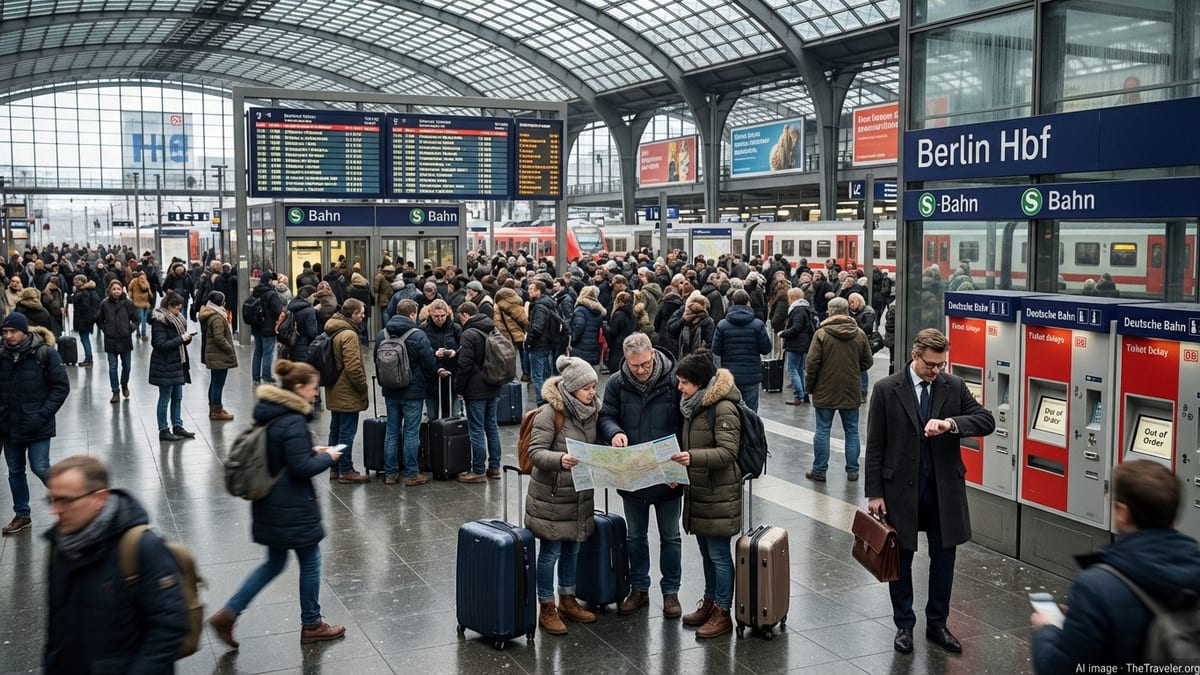
Nationwide Walkout Targets Urban Transport Networks
The powerful Verdi public sector union has urged local transport workers across Germany to down tools for 48 hours, escalating a long-running dispute over pay and working conditions. The action will hit some 150 municipal and regional transport operators and around 100,000 employees, with strike participation expected to be particularly high in big-city systems that millions of visitors rely on for everyday mobility.
The walkout is scheduled to begin in the early hours of Friday, February 27, and run through late on Saturday, February 28, with many cities warning that knock-on disruption could spill into Sunday. While national and long-distance Deutsche Bahn services, including ICE and IC trains, are expected to continue running, local buses, trams and U Bahn networks that connect airports, main stations and hotel districts are set to be heavily curtailed or halted altogether.
Berlin’s BVG network, Munich’s MVG services and local operators in Frankfurt and other regional centers are among those planning near-total shutdowns of trams, metros and many bus routes. Urban S Bahn lines and regional trains, typically run under separate contracts, are being positioned as the main lifeline for both residents and tourists forced to piece together alternative routes.
The two-day stoppage follows earlier walkouts in February that already exposed the fragility of Germany’s urban mobility. With this latest action deliberately timed as a coordinated nationwide shock, transport analysts warn that capacity on the remaining rail corridors will be stretched to the limit.
Berlin, Munich and Frankfurt Face Crowd “Bottlenecks”
Nowhere are the stakes higher than in Berlin, Munich and Frankfurt, the country’s three busiest air gateways and key city-break destinations. In Berlin, BVG has flagged a standstill of U Bahn trains, trams and most city buses from 3:00 a.m. on February 27 to 3:00 a.m. on March 1, forcing passengers onto the S Bahn ring, a limited number of regional trains and a patchwork of unaffected suburban bus lines.
Travel planners expect the biggest bottlenecks around Berlin Hauptbahnhof and key interchange hubs such as Ostkreuz and Alexanderplatz, where tourists normally change seamlessly between metro, tram and bus. With only a fraction of usual capacity available, platforms are likely to be crowded from early morning, and longer transfer times between hotels and Berlin Brandenburg Airport will become the norm rather than the exception.
Munich, fresh from days of weather-related disruption and high-profile events such as the Munich Security Conference, is preparing for further strain on its S Bahn and regional trains as city trams and buses are scaled back. The impact is expected to be particularly acute around Munich Airport and the central station area, where many Alpine ski transfers and business itineraries originate or end.
Frankfurt, home to Germany’s largest international airport and one of Europe’s busiest rail hubs, is also forecasting severe pressure on remaining services. With local buses and trams reduced, the S Bahn tunnel through the city center and regional express lines are likely to become saturated as passengers reroute, raising concerns about delays that could cascade onto long-distance trains.
Tourists Scramble to Rewrite Itineraries
The timing of the strike, at the tail end of February when city breaks, trade fairs and late-winter events overlap, is especially damaging for inbound tourism. Hotels in Berlin, Munich and Frankfurt report a spike in last-minute inquiries from guests seeking guidance on how to reach properties without metro or tram access, while some operators are quietly preparing for no-shows and curtailed stays.
Tour operators and online travel agencies say they are fielding calls from visitors anxious about airport transfers, time-sensitive rail connections and prebooked city tours that rely on punctual local transport. Some are advising customers to add at least an extra hour for cross-city journeys, prebook taxis where possible and consider shifting sightseeing plans into more walkable districts close to major rail hubs.
City sightseeing operators, museum districts and conference venues are bracing for an uneven flow of visitors, with some neighborhoods potentially deserted and others jammed as travelers cluster around the few stations and lines still running. Smaller towns with unaffected or partially affected networks may paradoxically benefit, as domestic tourists look to reroute weekend trips away from the largest conurbations.
For independent travelers, the disruption adds to a growing sense of volatility around German transport. In recent weeks, flight cancellations linked to airline labor disputes and extreme winter weather have already forced many to adapt plans on short notice, eroding the perception of Germany as one of Europe’s most reliably connected destinations.
Economic Toll on Tourism Likely to Be Significant
Economists and tourism bodies warn that the two-day stoppage will translate into millions of euros in lost spending, as cancellations ripple through airlines, hotels, cultural attractions and hospitality businesses. Day visitors may abandon trips altogether, while international tourists cutting short stays or skipping planned excursions will spend less on dining, shopping and entertainment.
In major hubs, airport-linked hotels and city-center properties could be among the hardest hit, as they depend heavily on frictionless access to public transport. Restaurants in popular nightlife districts that are poorly served by S Bahn or regional rail are also vulnerable, with fewer locals and visitors willing to navigate complicated or expensive detours late at night.
Tourism officials are particularly concerned about reputational damage at a time when Germany is working to rebuild visitor numbers and confidence after several difficult years. High-profile images of stranded passengers in Frankfurt, crowded platforms in Berlin and disrupted transfers in Munich risk undermining marketing efforts focused on efficiency and ease of movement.
Industry lobby groups are pressing both unions and employers to accelerate negotiations, warning that repeated walkouts risk driving international conferences, trade shows and high-value events to competitor destinations perceived as more stable. For regional economies that depend on business tourism and large fairs, even short-lived transport breakdowns can have outsized financial consequences.
Unions Cite Staff Burnout as Travelers Seek Clarity
Verdi insists the strike is a necessary last resort after months of talks that, in its view, have failed to deliver meaningful progress on wages, shift patterns and allowances for night and weekend work. Union leaders argue that without better conditions, operators will struggle to recruit and retain drivers and control-room staff, entrenching staff shortages that already contribute to delays and overcrowded services.
Transport workers report mounting burnout as they juggle irregular shifts, overtime and public frustration over service disruptions. The union is betting that a highly visible nationwide strike will force municipal employers and transport authorities back to the table with stronger offers, even as it acknowledges the inconvenience and economic cost to travelers and businesses.
For visitors currently in Germany or due to arrive during the strike window, the priority now is clear, reliable information. City authorities and transport operators are urging passengers to monitor official apps and station displays for real-time updates, check whether their specific bus or suburban line is affected and consider flexible rebooking options for flights and long-distance rail where connections look uncertain.
Travel advisers say that despite the looming disruption, Germany remains navigable for those willing to plan ahead, travel light and build extra time into every leg of their journey. But as the country heads into yet another high-impact transport stoppage, patience among tourists and residents alike is wearing thin, and the pressure on negotiators to find a lasting settlement is only intensifying.