

Illinois is built for travelers who like options. From Chicago’s elevated trains and buses to Metra commuter rail lines and Amtrak routes that fan out across the state, you can crisscross Illinois without ever getting behind the wheel. The key is understanding how each system works, where they connect, and which tickets make the most sense for your trip. This guide walks you through the major ways to get around Illinois today, with a special focus on Chicago transit, Amtrak corridors, and easy, budget friendly travel choices.
Understanding the Illinois Transit Landscape
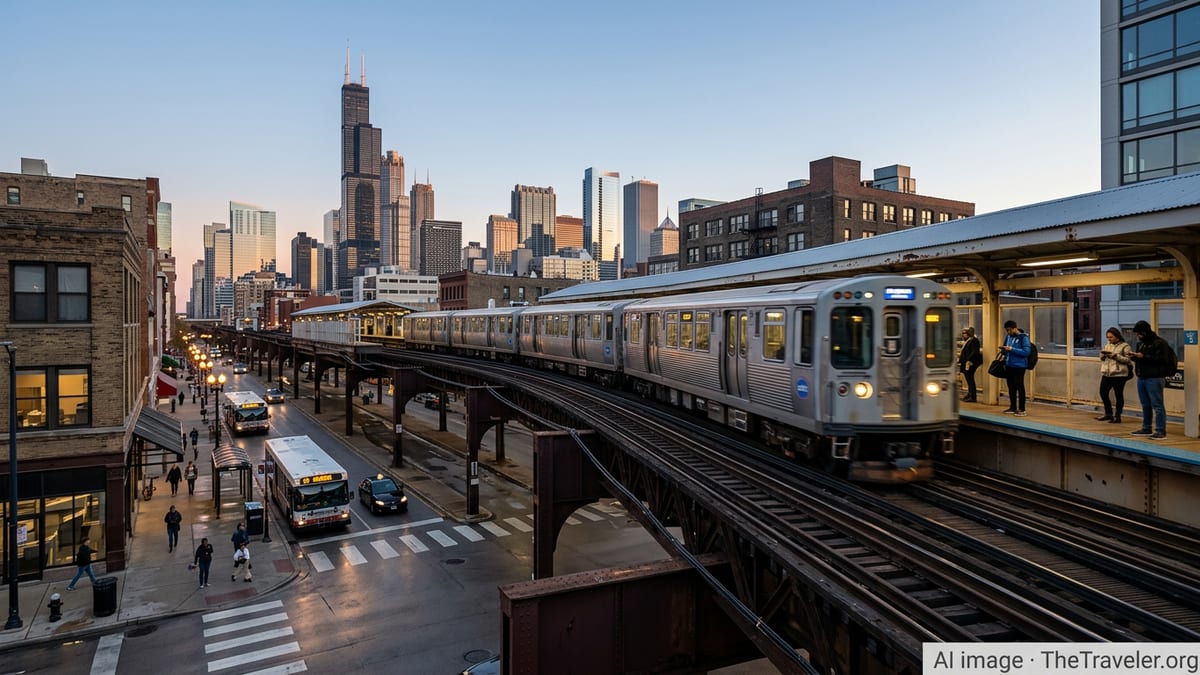
Illinois travel starts in Chicago, where the region’s three major transit agencies anchor movement in and out of the city. The Chicago Transit Authority runs the city’s “L” rail network and an extensive bus system, providing dense coverage across Chicago and into a number of nearby suburbs. Metra operates the commuter rail lines that radiate from downtown into the surrounding counties, serving riders who live or stay farther from the Loop. Pace, the suburban bus system, fills in the gaps with routes that link smaller communities and connect outlying Metra stations, park and ride lots, and job centers.
Beyond greater Chicago, Illinois is tied together by a growing network of Amtrak routes that run from Chicago Union Station to cities including Champaign, Carbondale, Quincy, Bloomington Normal, Springfield and beyond. These state supported trains, supplemented by long distance services that cross the Midwest, make it practical to reach many parts of Illinois without a car. In recent years, federal and state funding has focused on improving frequencies and reliability on key corridors, particularly between Chicago and St. Louis, and on the Chicago to Carbondale and Quincy lines.
Layered on top of rail, a patchwork of intercity buses and local transit systems connects college towns, smaller cities and rural areas. Some of these buses operate as Amtrak Thruway connections, timed to meet trains, while others run independently between major hubs and airports. Taken together, these systems give visitors and residents several workable options for moving around Illinois, especially if you plan ahead and understand the basics of fares, passes and transfers.
For travelers, the most important thing to know is that coordination has quietly improved. The Ventra payment system, now used on CTA, Pace and most Metra services, makes it easier to transfer between local transit and commuter rail. Amtrak schedules are built around Chicago as the primary hub, which simplifies trip planning when you are combining city transit with longer distance rail. While you still need to navigate separate websites and apps to see all your options, the underlying network is more seamless than it appears at first glance.
Getting Around Chicago on the CTA
Chicago’s CTA system is usually the first piece of the puzzle for visitors. The “L” lines form a familiar loop around downtown and then branch out to neighborhoods and the airports. Trains run frequently throughout the day, with increased service in peak periods and reduced but still regular service late at night and early in the morning. Buses crisscross the grid of city streets, making it possible to reach attractions far from rail stops, including many North Side beaches, South Side museums and West Side dining corridors.
Fares on CTA are straightforward compared with some big city systems. Riders pay a flat price for most trips within the system, with free or heavily discounted transfers available when using a Ventra card or compatible contactless payment. Time based passes provide good value if you plan to move around the city often in a single day or over several days. Because fares and pass details can shift with annual budgets, it is wise to check current prices before you arrive, but the overall structure tends to remain simple and visitor friendly.
Ventra is the backbone of fare payment in Chicago. You can buy a reusable Ventra card from vending machines at “L” stations, many retail locations, or order one in advance by mail. The system also supports contactless bank cards and mobile wallets for tapping directly at train turnstiles and on buses. For travelers staying only a short time, tapping a bank card can be the easiest approach. Those staying longer, or families managing multiple riders, may prefer the control of loading transit value and passes onto a Ventra card through the official app or station machines.
Planning trips on the CTA has become easier as real time data has been integrated into maps and apps. The official website and app provide service alerts, rail and bus trackers and step by step trip planning. Third party apps layer this information with walking directions and bike share options. If you are new to the city, allow extra time the first day while you learn which entrances lead directly to the correct train platforms at Loop stations, and pay close attention to train destination signs when using branches like the Red and Brown lines that share tracks for part of their routes.
Metra: Commuter Rail Across the Region
Metra is the workhorse for longer distance travel across the Chicago metropolitan area. The system’s lines extend in nearly every direction from downtown, reaching into Cook, DuPage, Kane, Lake, McHenry and Will counties. For visitors staying in suburban hotels or those who want to explore far flung communities, Metra can feel like an intercity train, with comfortable seating, restrooms on most trains and a calmer atmosphere than urban subway lines. Trains generally run most frequently during weekday commute hours, with more limited but still useful service patterns on weekends.
In 2024 Metra introduced a much simpler zone based fare system. Instead of the many lettered zones that once defined its map, stations are now grouped into four numbered fare zones anchored on downtown Chicago. Zone 1 covers the central terminals in the Loop, while Zones 2, 3 and 4 extend outward into city neighborhoods and suburbs based on distance and ridership patterns. Fares increase as you cross more zones, but the range is now easier to understand, and the highest one way fares remain modest compared with some coastal commuter rail systems.
Tickets and passes are available through ticket windows and vending machines at busier stations, but increasingly riders use the Ventra app to buy and display Metra fares. Options typically include one way tickets, round trips, day passes that cover unlimited travel between selected zones, and monthly passes for frequent commuters. Some passes include or can be paired with discounted access to CTA and Pace, which can be a good option if your daily travel involves both a commuter rail ride and local city transit. Periodic pilot programs have also tested discounted or consolidated passes, so it is worth reviewing current offerings close to your travel dates.
For visitors, the main things to watch on Metra are schedule frequency, the zone you are traveling to and from, and whether a particular train requires a special ticket type, such as some peak period or special event services. Weekday off peak and weekend trains can be less frequent, so missing one departure might mean a longer wait than you expect, especially on outer portions of lines. Plan around the timetable rather than assuming subway like frequencies, and if you are heading to the city for a performance or game, aim for earlier trains in case of delays.
Amtrak Routes Linking Chicago and Downstate Illinois
Chicago Union Station is the anchor of intercity rail across Illinois. From this historic terminal, Amtrak operates a mix of state supported and long distance routes that link Chicago with smaller cities and college towns throughout the state. The Lincoln Service corridor, jointly funded by Illinois and federal partners, connects Chicago with St. Louis, serving Joliet, Bloomington Normal, Springfield and other communities along the way. Upgrades in recent years have aimed to increase top speeds and improve reliability, making the corridor one of the more competitive rail options in the region.
Two paired services, the Illini and the Saluki, connect Chicago to Champaign and Carbondale, with stops that serve major universities and southern Illinois communities. Another pair, the Illinois Zephyr and Carl Sandburg, run west from Chicago to Galesburg and Quincy, providing a rail alternative to driving across the prairies. These trains, branded collectively as Illinois Service, typically operate at least once or twice daily in each direction on their respective routes, offering morning and evening options that work for both business and leisure travel.
Because these trains are state supported, Illinois has pushed for gradual improvements in capacity and customer experience. Many trains now feature Wi Fi, accessible seating, and space for bicycles with reservations, although specific amenities can vary by trainset and equipment rotation. Federal grants awarded in recent years are funding safety improvements and reliability upgrades, especially on routes shared with heavy freight traffic. While not every project is visible to riders, the broad trend has been toward slightly faster, more dependable trips.
Booking Amtrak travel in Illinois is similar to purchasing airline tickets, with dynamic pricing that typically rewards booking earlier, especially for peak holiday periods and busy college break travel. Fares can rise as trains fill, but off peak days and less popular departures often remain reasonably priced close to departure. When planning to connect between Amtrak and other modes in Chicago, remember that schedules are built around Union Station as the central hub. Allow a healthy buffer for delays when making tight same day connections, particularly if severe weather is in the forecast.
Airports and Ground Transportation in Illinois
For many visitors, the journey to Illinois begins by air. Chicago O Hare and Chicago Midway are the major gateways, handling domestic and international flights, while smaller airports in Bloomington Normal, Peoria, Moline, Springfield and other cities provide regional options. What sets Chicago apart is the strength of its transit connections to the airports. O Hare is linked directly to downtown by the CTA Blue Line, which runs 24 hours a day, and Midway connects via the CTA Orange Line, both offering predictable, low cost rides compared with taxis or ride hailing services.
Beyond the CTA, some Metra lines and Pace routes also serve airport areas, though often in ways that are more convenient for employees and nearby residents than first time visitors. Metra’s North Central Service, for example, stops at a station near O Hare’s remote parking, and various Pace routes connect airport perimeters, suburban hotels and employment centers. If you are staying in the suburbs around the airports, checking suburban bus and commuter rail options can reveal alternatives to shuttles or rental cars.
Elsewhere in Illinois, airports generally rely on a mix of local bus routes, hotel shuttles and taxis. Bloomington Normal’s Central Illinois Regional Airport, for instance, is served by the local Connect Transit system, while Springfield and Peoria offer varying degrees of local bus coverage. In many smaller cities, service may be limited to weekday daytime hours, which makes advance planning essential if you intend to get by without renting a car. Calling local transit agencies or checking their most recent schedules will give you a clearer sense of how realistic a car free stay will be.
If your trip combines flying and Amtrak, pay special attention to timing and transfer points. In Chicago, O Hare and Midway are not directly connected to Union Station by rail, so most riders use the CTA and then walk or take a short bus or taxi ride between downtown transit hubs and the station. In downstate Illinois, some smaller airports are a brief rideshare or taxi trip from nearby Amtrak stations. In all cases, it is safer to allow more time than you think you need, building in a cushion for weather delays, security lines and baggage claim.
Driving, Rentals and Intercity Buses
While Illinois is well served by rail and local transit, driving remains the default choice for many visitors, especially when exploring rural areas, small towns or natural attractions. The interstate network radiating from Chicago makes it straightforward to reach major destinations like Starved Rock State Park, the Shawnee National Forest or the Great River Road along the Mississippi. Traffic congestion is heaviest in and around Chicago during weekday peak periods, but many routes open up significantly outside rush hour and beyond the collar counties.
Rental cars are widely available at airports and in larger cities, but demand can spike during major events, festivals and university move in days. Booking early is recommended if your plans are fixed. In the Chicago region, some travelers choose to rely on transit while in the city and then rent a car only for specific days when they need it, picking up vehicles at downtown or suburban locations that are often reachable by CTA or Metra. This hybrid approach can keep city parking fees in check and reduce the stress of navigating congested downtown streets.
Intercity buses add another layer of flexibility, especially for travelers on a budget or those visiting towns not served directly by Amtrak. Companies such as Greyhound, FlixBus, Burlington Trailways and regionally focused operators run routes that link Chicago with Rockford, the Quad Cities, southern Illinois and neighboring states. Some of these services use curbside stops in the city, while others operate out of designated bus terminals. Schedules and branding have shifted frequently in recent years as carriers have merged or restructured, so it is important to confirm current routes and departure locations close to travel.
In addition to traditional intercity buses, a number of college focused shuttles and seasonal services operate around peak breaks, transporting students between campuses and Chicago or suburban hubs. These can be an efficient option if their schedules align with your plans, but tickets often sell out quickly. Checking with university transportation offices and local operators will give you the clearest picture of what is available during the academic year.
Tickets, Passes and Payment Tips
Navigating Illinois transit is far easier once you understand how fares are structured and how to pay for them. In greater Chicago, Ventra is the unifying tool, allowing you to use a single account to pay for CTA, Pace and most Metra services. You can load stored value, which deducts the correct fare as you ride, or purchase time based passes like one day, three day or monthly options. The main decision is whether your expected travel will justify a pass, or whether paying as you go will be cheaper.
On CTA, passes often make sense if you expect to ride more than a few times per day, particularly for short city breaks focused on sightseeing. Families and small groups can mix strategies, with one person using a pass and others tapping bank cards or their own Ventra accounts. Because the system offers transfer discounts within a defined time window, tapping the same card for multiple legs of a journey usually costs less than paying separate unlinked fares. Just remember that two people cannot ride simultaneously on the same contactless bank card at a single turnstile; for shared cards, a Ventra account is usually required.
Metra’s fare structure, built around four zones, gives you flexibility in choosing tickets. Day passes between specific zones can be good value for day trips from the suburbs into the city and back, or for days spent hopping between towns along the same line. Monthly passes, while a significant upfront cost, can pay off quickly for regular commuters who travel most weekdays. Periodically, Metra and its regional partners have also introduced products that combine commuter rail with CTA and Pace access in a single offering. These integrated passes can be especially useful for travelers staying in the suburbs but spending long days in the city.
Amtrak uses a more airline like model, with fares that fluctuate based on demand, time until departure and the specific train. Coach class will be adequate for most corridor trips within Illinois, though business class can offer extra space and slightly quieter surroundings, along with more flexible ticket rules on some routes. Before finalizing an itinerary, compare the cost difference between train times, as off peak departures can sometimes be notably less expensive. For all modes, booking through official channels and saving digital confirmations on your phone will make it easier to resolve any issues if your plans change.
Accessibility and Traveler Comfort
Illinois transportation agencies have made steady, if sometimes uneven, progress on accessibility and overall traveler comfort. Most CTA rail stations now include elevators or ramps, though a number of older stations are still in the process of being upgraded. Low floor buses, priority seating and audio and visual stop announcements are standard on the CTA and Pace, and staff are generally trained to assist riders with disabilities. It is always best to check specific station accessibility information in advance, particularly if your plans depend on step free access or you are traveling with strollers or heavy luggage.
Metra’s commuter rail cars typically include accessible seating areas, restrooms on many trains and conductors who can assist with boarding. Some older stations, however, may still require using stairs or longer walks between platforms and parking areas. When planning trips with limited mobility in mind, prioritize stations that are clearly marked as accessible and consider calling customer service to confirm any details that could affect your itinerary. Boarding ramps are available at many stops, and crews can help passengers board from lower platforms where level boarding is not yet installed.
On Amtrak, most stations and trains serving Illinois routes are equipped with accessible features, including designated seating areas, companion seating and accessible restrooms. Amtrak’s reservation system allows passengers to request assistance in advance, which is particularly helpful for boarding and alighting at smaller stations with shorter platforms. Trains that allow bicycles usually require reservations for bike space, and the exact loading procedure can vary by equipment type, so it is worth reviewing the latest guidance if you plan to combine rail travel with cycling.
For travelers who are sensitive to crowds or noise, timing can make a big difference in comfort. Peak periods on CTA and Metra, typically weekday mornings and late afternoons, can bring tightly packed trains and busy platforms. Midday hours and weekends often feel more relaxed, though popular tourist areas and event days can still be busy. On longer Amtrak trips, bringing snacks, headphones and a light layer for fluctuating temperatures can improve the experience, especially in winter and summer when air conditioning and heating cycles may feel inconsistent.
The Takeaway
Getting around Illinois, especially if you are starting in Chicago, is easier than many visitors expect. A dense network of CTA trains and buses, Metra commuter lines, Amtrak corridors and intercity buses gives you options that can fit almost any itinerary and budget. The key is to think in layers: use city transit for local moves, commuter rail to reach the suburbs, and Amtrak or longer haul buses for cross state journeys. With a little planning, you can piece these modes together into a smooth, largely car free trip.
Payment and fare systems have grown more integrated in recent years, particularly through the expansion of Ventra across CTA, Pace and Metra. Amtrak continues to refine its state supported routes, gradually improving travel times and reliability between Chicago and downstate cities. While schedules, fares and pass types evolve with each budget cycle, the core structure of Illinois’ transportation network remains consistent. Travelers who take the time to understand today’s basics will find that the same logic applies in future years, even as details shift.
Whether you are standing beneath the “L” tracks in the Loop, rolling through prairie landscapes on an Amtrak corridor train, or stepping off a Metra coach in a leafy suburb, Illinois offers a distinct sense of place at every stop. By embracing the state’s transit and rail options, you gain not only convenience, but a front row seat to the everyday life of its cities and towns. If you plan thoughtfully, stay flexible and keep an eye on current schedules, getting around Illinois can be one of the most rewarding parts of your trip.
FAQ
Q1. Do I need a car to explore Illinois beyond Chicago?
In many cases you can rely on Amtrak, Metra, intercity buses and local transit to reach major cities and college towns, though a car is still useful for rural areas and state parks.
Q2. What is the easiest way to get from O Hare to downtown Chicago?
The CTA Blue Line offers a direct, frequent and relatively low cost train service between O Hare and downtown stations, operating at all hours of the day.
Q3. How do Metra fare zones work?
Metra now uses four numbered zones centered on downtown Chicago, with fares increasing as you travel across more zones; specific prices depend on how many zones your trip covers.
Q4. Can I use the same card on CTA, Metra and Pace?
A Ventra account can be used across CTA, Pace and most Metra services, allowing you to pay fares and hold passes for multiple agencies in a single system.
Q5. Do Amtrak trains in Illinois have Wi Fi and power outlets?
Many Illinois corridor trains offer Wi Fi and power outlets, but availability can vary by trainset, so it is wise to confirm details for your specific departure close to travel.
Q6. Is public transit in Chicago safe at night?
Many people use CTA and Metra in the evening, but as in any large city, it is smart to stay aware of your surroundings, ride in busier cars and follow local safety guidance.
Q7. How far in advance should I buy Amtrak tickets in Illinois?
Buying several weeks ahead usually gives better prices on busy routes and peak dates, though less popular trains and off peak days can remain affordable closer to departure.
Q8. Are Chicago “L” stations accessible for travelers with luggage or mobility needs?
Many “L” stations have elevators or ramps, but not all; checking station accessibility information in advance will help you choose the easiest routes for your needs.
Q9. Can I bring a bike on Metra and Amtrak in Illinois?
Both Metra and Amtrak allow bicycles on many trains, often with restrictions on peak times or requirements for reservations, so review the latest rules before you travel.
Q10. What is the best way to plan a multi city trip around Illinois without a car?
Start by mapping Amtrak routes between major cities, then layer in Metra, CTA and local buses for local movement, checking current schedules and leaving generous connection time.