

More news on this day
Goa’s Tourism Department has launched a three crore rupee marketing campaign aimed at domestic visitors, seeking to consolidate recent growth in arrivals even as concerns over tourist safety, scams and uneven service quality continue to shadow the coastal state’s image.
Get the latest news straight to your inbox!
New Campaign Targets India’s Expanding Travel Market
According to recent coverage in travel industry media, the Goa Tourism Department has approved a three crore rupee promotional drive focused on domestic tourists, who already account for the overwhelming majority of arrivals in the state. The initiative is positioned as a way to keep Goa competitive within India’s rapidly expanding leisure travel market, where several coastal and hill destinations are aggressively courting visitors from metropolitan centers.
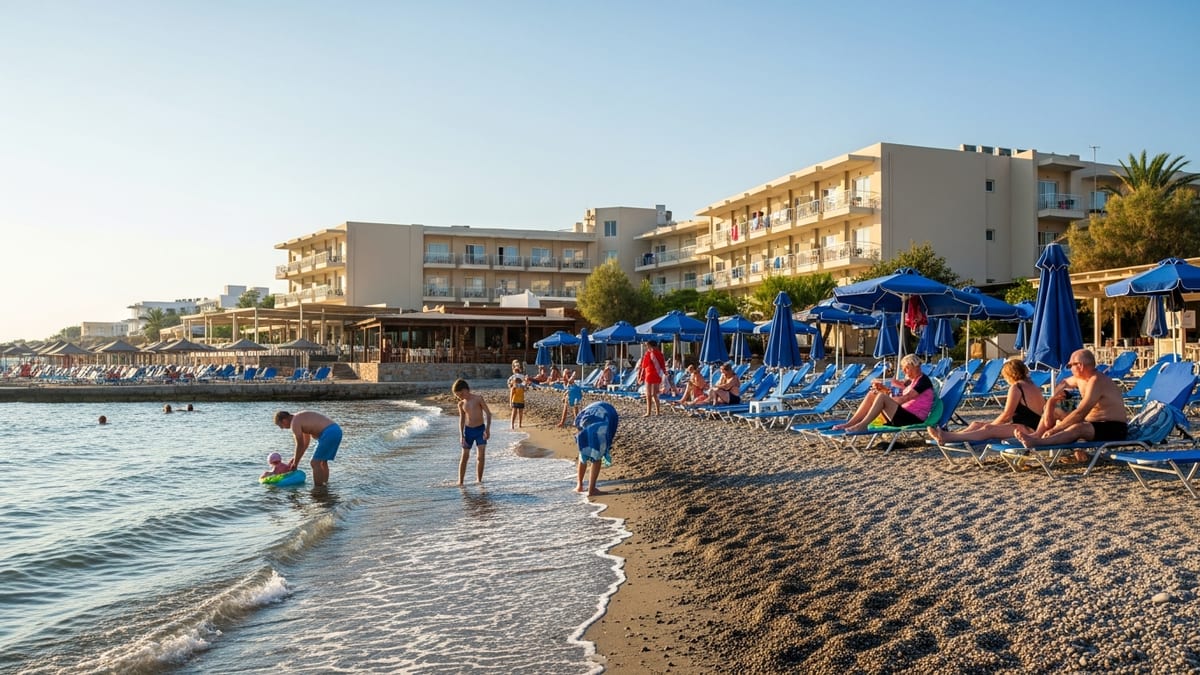
Reports indicate that the campaign will lean on digital outreach, social media and targeted messaging in key source markets such as Mumbai, Bengaluru, Delhi and other tier one and tier two cities. The push is expected to highlight Goa’s beaches, nightlife, heritage architecture and hinterland attractions, while attempting to reassure visitors that the state is addressing growing concerns about value for money and visitor experience.
The new spending comes on top of a substantially higher overall allocation for tourism in Goa’s latest state budget, where publicly available figures show more than three hundred crore rupees earmarked for tourism development, promotion and infrastructure. Officials have framed these initiatives as part of a broader effort to position Goa as a year-round destination rather than a place that relies heavily on the traditional winter beach season.
Domestic travel within India has rebounded strongly since the pandemic, with Goa among the primary beneficiaries. State-level economic and tourism surveys for recent years show domestic arrivals in the tens of millions annually, giving policymakers a clear incentive to secure repeat visits from Indian travelers and attract new segments such as families, workcation guests and wellness tourists.
Tourism Growth Meets Mounting Safety and Scam Complaints
Despite the upbeat tone of the new campaign, the drive launches at a time when Goa’s reputation among some travelers has been dented by a steady stream of online complaints related to safety, scams and inconsistent standards. Social media posts and discussion forums over the past two years have highlighted grievances ranging from alleged overcharging at hotels and beach shacks to disputes over taxi fares, rental vehicle seizures and instances of aggressive touting in popular nightlife zones.
Negative hashtags calling for boycotts of Goa have periodically trended on platforms such as X and Reddit, reflecting frustration among some visitors who describe the destination as increasingly expensive and overcommercialized. Several widely shared accounts describe tourists feeling harassed over minor traffic violations or confronted with opaque charges for parking, water sports and beach facilities, contributing to a perception that visitors are being treated as easy targets rather than valued guests.
Concerns over physical safety have also surfaced intermittently. National media and official documents have noted efforts by the central government and various states, including Goa, to deploy dedicated tourist police units and strengthen on-ground response mechanisms for visitors. However, scattered incidents related to nightlife venues, fire safety, drink spiking fears and late-night altercations continue to fuel debate over whether enforcement and regulation are keeping pace with the volume and intensity of tourism activity.
Industry observers and local tourism bodies have repeatedly argued that reputational risks could erode the gains from rising arrival numbers if not addressed systematically. For many potential visitors comparing Indian beach destinations with alternatives in Southeast Asia, perceptions of safety, fairness and hassle-free travel are increasingly decisive factors in choosing where to spend their holiday budgets.
Balancing Promotion With Service Quality Reforms
The timing of the three crore rupee campaign has prompted discussion in Goa’s tourism and business press about whether marketing alone can sustain growth without parallel reforms in regulation and service standards. Commentaries from trade associations and regional publications over the past year have urged the state to tackle structural issues such as transport reliability, pricing transparency and enforcement against unlicensed operators.
Taxi services remain one of the most contested aspects of the visitor experience. Calls for app-based solutions and standardized tariffs have been a recurring theme in industry recommendations, framed as essential for improving convenience and safety while curbing disputes over fares. Similarly, stakeholders have highlighted the need for clearer information on rental vehicle documentation, parking rules and permitted operating zones to reduce confrontations between tourists and enforcement agencies.
On the hospitality side, business and policy analyses have emphasized the importance of hygiene, waste management and infrastructure upgrades, particularly in heavily visited beach belts where pressure on public amenities is acute. Suggestions have included better-maintained public toilets, improved lighting and signage, and stronger oversight of temporary structures such as beach shacks and music venues, many of which are central to Goa’s appeal but also potential flashpoints for safety lapses.
Responsible tourism advocates in Goa have meanwhile promoted models that prioritize local community benefit, environmental safeguards and authentic cultural experiences. These groups argue that a more sustainable approach can differentiate Goa within India’s domestic market, reducing reliance on volume-driven, peak-season tourism and encouraging longer, higher-value stays that are less taxing on local ecosystems and infrastructure.
Government and Industry Initiatives to Restore Confidence
While the new domestic campaign focuses on demand generation, other recent steps suggest a parallel effort to strengthen the state’s tourism ecosystem. National policy documents from the Ministry of Tourism highlight the expansion of multilingual helplines, tourist police deployments and awareness campaigns aimed at improving safety for both Indian and foreign visitors. Goa is listed among the states participating in these initiatives, which are designed to offer quicker assistance in case of distress and provide information on lawful services.
Within the state, updates in regional media point to a mix of regulatory and promotional measures. These include stricter action on violations by nightlife establishments, renewed emphasis on cleanliness drives along key beaches and heritage precincts, and the exploration of new tourism products such as hinterland trails, wellness retreats and meetings and events infrastructure. Recent coverage of Goa’s engagement with national convention promotion bodies indicates a desire to broaden the tourism base beyond leisure travelers to include conferences and corporate events.
Such moves are being watched closely by both local businesses and repeat visitors, many of whom see the coming seasons as a test of whether Goa can align promotional messaging with on-the-ground reality. If the three crore rupee campaign succeeds in drawing more domestic tourists without visibly improving safety and service quality, critics warn that online backlash could intensify, undermining long-term brand value.
Conversely, if new marketing is accompanied by tangible enhancements in enforcement, infrastructure and customer service, Goa could strengthen its position as India’s flagship coastal destination while fending off rising competition from other Indian states and nearby international beach markets. For now, the latest campaign underscores the high stakes facing a state whose economy remains deeply intertwined with the fortunes of tourism.