


More news on this day
India’s rail network is gearing up for a fresh surge in religious travel as new special services between Goa’s Vasco da Gama and Tamil Nadu’s Velankanni expand access for thousands of Catholic pilgrims heading to the coastal Marian shrine for the annual feast of Our Lady of Good Health.
Get the latest news straight to your inbox!
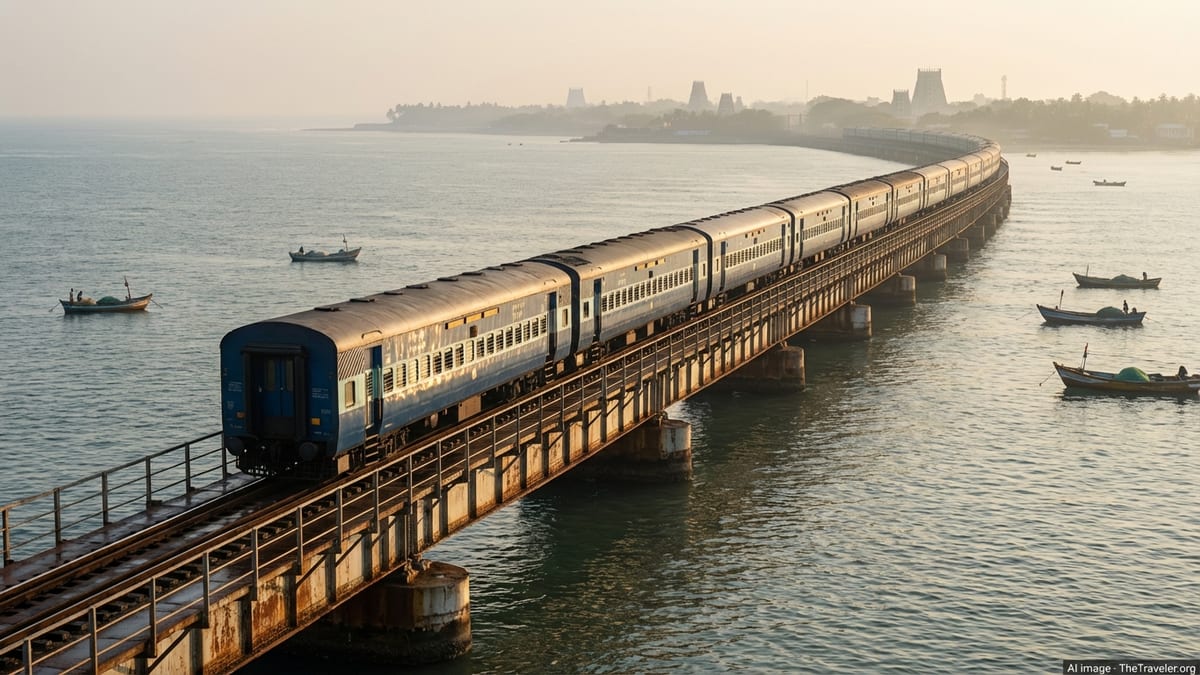
Expanded Rail Links Strengthen Goa–Velankanni Corridor
Published railway notifications and regional coverage indicate that Indian Railways and Konkan Railway are again turning to targeted special trains to manage a sharp seasonal spike in demand to Velankanni, one of India’s most visited Christian pilgrimage destinations. The Vasco da Gama–Velankanni corridor, which already has a weekly express service, is being reinforced with additional special trains timed around the popular feast season.
Reports from Goa-based outlets and railway user representatives describe plans for three special trains to operate between Vasco da Gama and Velankanni during the core pilgrimage window. The services are designed to supplement the existing weekly express and relieve pressure on long-distance buses and connecting trains that typically see waitlists stretch well before the August–September feast dates.
Timetables released for recent years show that similar festival specials have departed Vasco da Gama in late August and early September, arriving in Velankanni in time for key novena days and the main feast celebrations. Return services typically run in early September or extend into November, reflecting how pilgrim flows now span a longer season as domestic religious travel grows.
The combination of a regular weekly express and multiple festival specials has, in effect, created a stronger rail bridge between Goa’s Catholic heartland and the Marian shrine on Tamil Nadu’s coast. For many households that plan the journey once a year, this expanded choice of dates and berths is reshaping how and when they travel.
Historic Marian Shrine Draws Millions Across Faiths
Velankanni’s Basilica of Our Lady of Good Health, located near Nagapattinam on the Bay of Bengal, has evolved over centuries into a major national pilgrimage center. Official tourism information and Church records describe a ten-day annual festival that attracts millions of devotees from across India, including sizeable contingents from Goa and Karnataka.
The shrine’s appeal has long extended beyond Catholic communities. Publicly available accounts emphasize that pilgrims from multiple religious backgrounds visit the basilica, often in fulfillment of vows related to healing, health, and family intentions. This broad base of visitors has turned the small coastal town into one of India’s most significant hubs of religious tourism.
The annual feast, typically centered around late August and early September, is marked by flag-hoisting ceremonies, daily processions and multilingual liturgies. As the calendar approaches these dates, demand for transport into the region surges, with special trains operating from Chennai, Nagercoil, Vasco da Gama and other cities to funnel pilgrims directly into Velankanni’s modest railhead.
The renewed focus on Vasco–Velankanni specials coincides with fresh global attention on the shrine. Recent Vatican communications have highlighted Velankanni as a space where popular devotion and interreligious participation coexist, indirectly underscoring why ensuring reliable access for pilgrims has become an operational priority for railway planners.
Goan Pilgrims Gain Direct, Timed Connectivity
In Goa, Catholic communities regard the journey to Velankanni as a treasured spiritual tradition, often undertaken in family groups or parish clusters. Until the introduction of a direct weekly express and periodic specials, many travelers relied on fragmented itineraries involving buses to Karnataka, changes at major junctions, or overnight road journeys along the Konkan coast.
The confirmed Vasco–Velankanni services change that equation by offering a through connection that starts on Goa’s rail terminus and ends a short distance from the basilica. Rail timetable data shows that the weekly express covers the approximately 1,260 kilometer route in just under 28 hours, stopping at a string of Konkan and south Indian stations that enable pilgrims from smaller towns to join the flow.
Festival specials add another layer of flexibility. Past schedules have included late-night departures from Velankanni that allow pilgrims to attend closing feast liturgies before boarding homebound trains, and afternoon departures from Vasco that sync with connecting services along the Konkan Railway. The current season’s three additional trains, described in regional reporting after a Hubballi planning meeting, are expected to follow a similar pattern, aligning departures with major feast milestones.
For Goan travelers balancing work commitments, school calendars, and parish obligations, the ability to choose between a weekly express and several timed specials is emerging as a key factor in sustaining the annual pilgrimage tradition. Travel planners note that this more predictable rail offering also encourages first-time pilgrims who might previously have hesitated over the complexity of the journey.
Religious Tourism Fuels India’s Rail and Regional Economies
The Vasco–Velankanni specials are part of a wider national trend in which India’s railways increasingly tailor services around religious events. From Kumbh Mela gatherings in the north to Sabarimala and Velankanni in the south, seasonal train operations have become a major tool for managing mass movement while spreading the economic benefits of pilgrimage travel.
Government tourism platforms describe pilgrimage circuits as high-impact drivers for local economies, boosting hospitality, food services, small retail, and informal employment in destination towns. In Velankanni, the influx of pilgrims from coastal western India arrives on top of already strong domestic visitation from Tamil Nadu, Kerala and neighboring states, intensifying the demand for accommodation and transport coordination.
For the Konkan belt, Goa’s outbound pilgrims also represent a flow of demand that ripples across multiple states. Intermediate stops along the Vasco–Velankanni route see increased footfall at station vendors and nearby markets, while transport providers in Goa adjust schedules of feeder buses, taxis and auto-rickshaws to match the special trains’ arrival and departure patterns.
Rail-focused religious tourism is additionally shaping infrastructure decisions. The establishment of a dedicated booking counter for Velankanni specials in Goa in previous years, highlighted in local coverage, points to a growing recognition that pilgrimage traffic merits customized reservation support, crowd management strategies and communication campaigns.
Rising Demand Points to Future Capacity Needs
With India’s middle class expanding and domestic air travel grabbing headlines, the sustained popularity of long-distance pilgrimage trains underscores the enduring appeal of rail for religious journeys. Ticketing data and media reports around earlier Velankanni seasons show that specials from Vasco da Gama and other cities often sell out quickly, indicating persistent unmet demand.
Railway user committee members in Goa have publicly advocated for more frequent services and earlier announcement of festival specials, arguing that advance schedules allow pilgrims to coordinate leave, parish registrations and accommodation in Velankanni. The decision to operate three special trains this season signals that planners are responding, but discussion continues over whether additional runs or more coaches may be needed in peak years.
For travel-watchers, the Vasco–Velankanni developments highlight how religious tourism remains a strategic niche within India’s broader mobility story. As new seasons of devotion approach and more pilgrims seek a seat on the annual feast journey, the success of these specials may shape future decisions about dedicated pilgrimage services linking other faith centers across the country.