


More news on this day
Emmerdale actor Lisa Riley, who grew up in Bury, has warned travellers to be on high alert after revealing she was caught out by a convincing but unofficial travel authorisation website while arranging documents for a trip to the United States.
Get the latest news straight to your inbox!
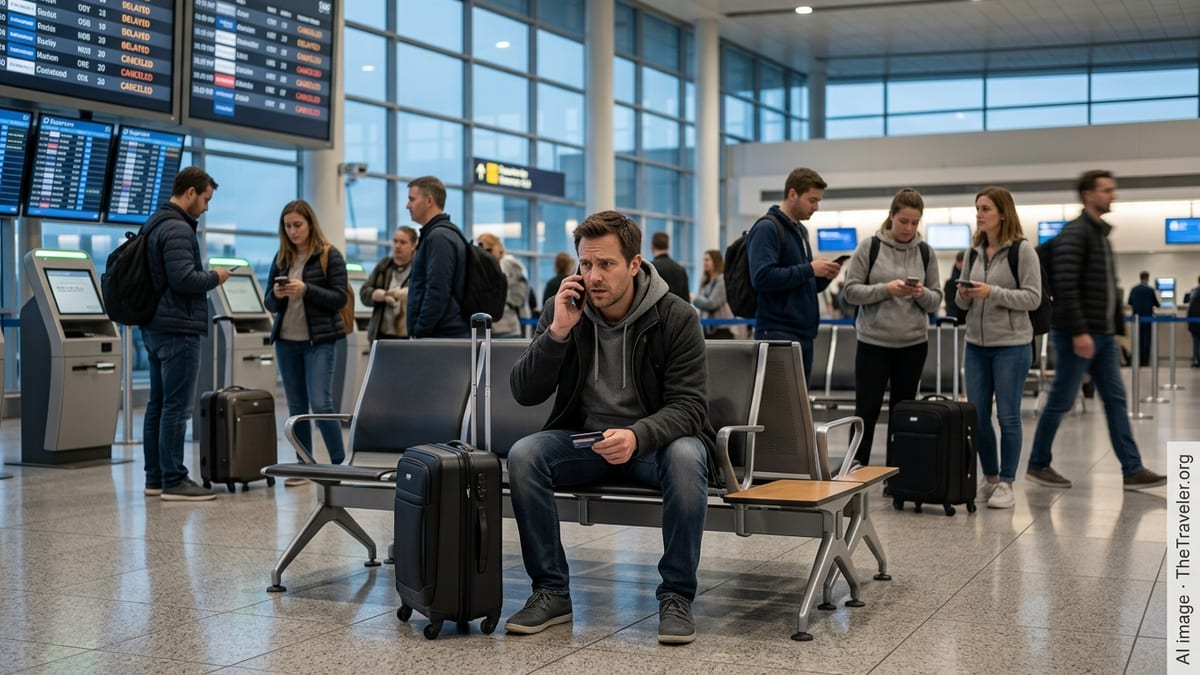
TV star’s experience highlights rise in fake ESTA websites
Reports indicate that Riley was preparing to visit the US when she mistakenly used an unofficial site to apply for an Electronic System for Travel Authorization, commonly known as an ESTA. Although the paperwork she needed was eventually processed, she later discovered that the site was not the official US government portal and that her personal data had been passed to a third party.
Coverage of the incident explains that the actress, best known for playing Mandy Dingle in Emmerdale, has completed ESTA applications several times in the past but was still caught out by a lookalike website with official-style branding and search engine placement. She described feeling alarmed when she realised that she had handed over passport details and other sensitive information to a commercial operator rather than a government system.
According to publicly available information, some third-party services charge substantial markups on the standard ESTA fee in return for completing the same online form that travellers can fill out themselves on the official platform. In more serious cases, consumer groups warn that fake sites may harvest financial data or fail to submit any valid application at all, leaving holidaymakers without the authorization they need to board their flights.
Riley’s experience adds a high-profile voice to growing concern about online travel fraud, particularly scams that target routine processes such as visas, permits and health forms, which many travellers now complete entirely online.
How the ESTA system works and where scammers step in
The ESTA system is part of the United States Visa Waiver Program, which allows citizens of participating countries, including the United Kingdom, to visit for tourism or business without a full visa for stays of up to 90 days. Travellers are required to submit personal and passport information in advance so that US authorities can carry out security checks before they fly.
Official guidance states that applications must be completed on the dedicated US government website, where the current fee is clearly displayed and payment is processed in US dollars. However, search results and online adverts frequently lead travellers to intermediary sites that mimic official pages, use patriotic imagery, and adopt domain names that appear authoritative at first glance.
Consumer advice reports show that some of these businesses are legitimate agencies that charge extra fees on top of the official cost, while others are fronts for scam operations. The most concerning cases involve sites that request card details, passport scans and home addresses but provide either no service, incomplete applications or fabricated confirmations that are not recognised by airlines or border officials.
Travel watchdogs note that the volume of complaints about fake or misleading visa and permit sites has increased alongside the wider shift to digital travel documentation, with many victims only discovering a problem at the airport check in desk.
Why travellers are vulnerable to convincing fake travel sites
Industry commentators say the design of many fraudulent or semi-legitimate travel sites is sophisticated, often featuring professional layouts, security logos and countdown timers that pressure users to complete their applications quickly. These visual cues can mislead even experienced travellers into thinking they are on an official platform, especially when they are in a hurry to finalise bookings.
Research from consumer organisations in the United Kingdom suggests that a significant share of holidaymakers have come across suspicious travel offers, accommodation listings or document-processing services while browsing social media or search results. Many of the fake or misleading pages are promoted through paid advertising, meaning they can appear above genuine links when users search for terms such as “ESTA application” or “US travel visa”.
Reports from the Better Business Bureau in North America and travel advocacy groups in Europe describe similar patterns affecting hotel bookings, airline tickets and package holidays, where copycat domains and unofficial resellers mimic well-known brands. Victims frequently report only realising their mistake when they receive unexpected charges, encounter hidden service fees or find that their reservation or travel authorization does not exist.
Experts on online fraud note that increased use of artificial intelligence tools has also made it easier for scammers to generate convincing copy, logos and imagery, lowering the technical barrier to launching professional looking scam sites at short notice.
Practical steps to avoid copycat visa and booking platforms
Travel safety guidance recommends that anyone applying for official documents, including the US ESTA, starts by navigating to a trusted government or embassy homepage rather than following search-engine adverts or social media links. Users are also advised to check that the web address exactly matches the domain listed in official travel information from their home government.
Consumer advocates suggest taking a few minutes to compare fees across sites and to be wary of services that add substantial “processing” or “consultancy” charges without clearly explaining what they provide in return. If a website asks for unusual personal information beyond what is typically required for a visa or permit, or if the payment page appears to be hosted by a different company than the one named on the homepage, travellers are urged to close the browser and reassess.
For accommodation and flight bookings, guidance from organisations such as the Better Business Bureau and major travel clubs highlights several warning signs, including spelling errors in email confirmations, requests for payment via bank transfer or gift card, and a lack of verifiable contact details. Where possible, travellers are encouraged to double check reservations directly with airlines or hotels using phone numbers or email addresses taken from their official sites.
Riley’s public warning is likely to resonate with those planning long awaited holidays or family visits, underlining that being experienced with travel procedures is not always enough to avoid sophisticated online traps.
Growing calls for clearer safeguards around online travel processes
The incident involving the Bury born actor feeds into a wider discussion about how governments, technology companies and travel brands can reduce the risk of consumers stumbling onto fraudulent services. Campaigners argue that search engines and social platforms should take stronger steps to identify and demote misleading adverts that impersonate official portals for visas and permits.
Consumer groups in the UK and elsewhere have been pressing for clearer signposting of genuine government pages, as well as tougher enforcement against businesses that obscure their intermediary status or use near identical logos and colour schemes to official agencies. Some regulators have also examined whether high additional fees for basic form filling, when not prominently disclosed, might breach advertising or consumer protection rules.
Travel industry analysts say the episode serves as a reminder that public figures are not immune to online fraud and that personal stories can help bring technical warnings to life for a wider audience. As more border and health formalities move online, the pressure is increasing on both authorities and private companies to make digital travel processes secure, transparent and easy for ordinary travellers to navigate.
For now, Riley’s message to fans and followers underscores a simple but important lesson for anyone planning an overseas trip in the digital era: check web addresses carefully, assume that top search results may include ads and intermediaries, and take a moment to verify that the site handling your most sensitive travel data really is the one you intend to use.