

More news on this day
Greece is cementing its place among the world’s leading wellness travel hotspots for 2026, joining destinations such as Switzerland, Germany, the United Kingdom, Canada, Spain, Austria, Norway, Australia, Portugal and New Zealand as global demand for restorative, health focused trips continues to surge.
Get the latest news straight to your inbox!
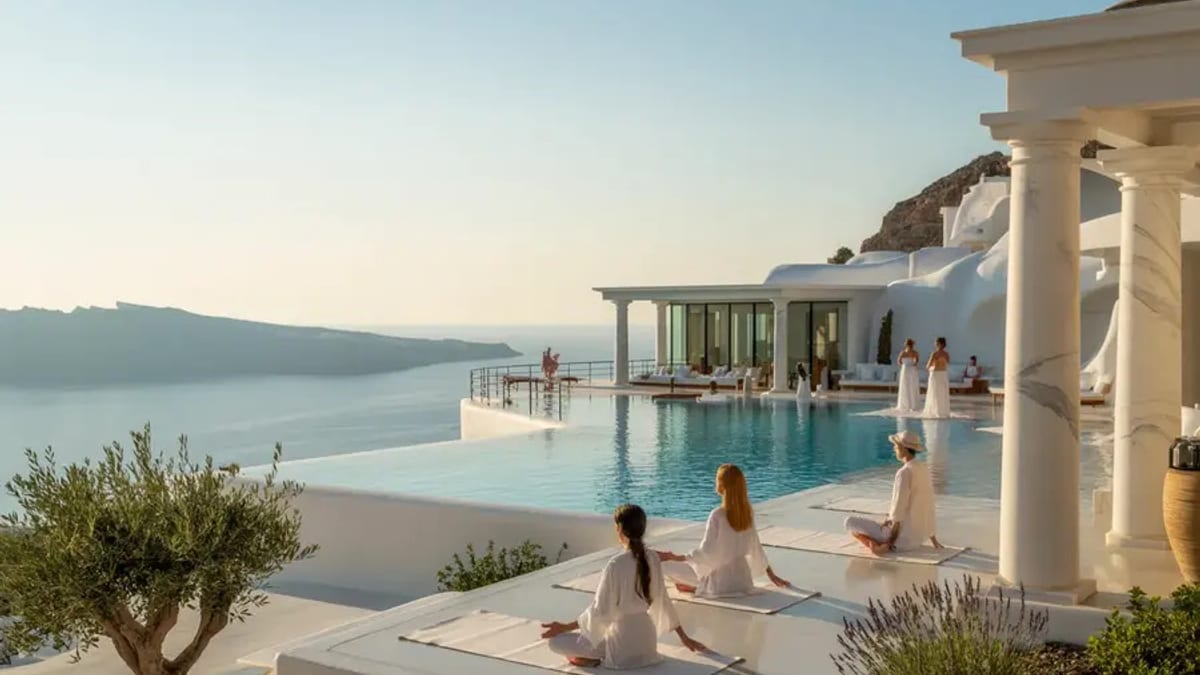
Image by Latest International / Global Travel News, Breaking World Travel News
A Global Wellness Boom Reshapes 2026 Travel Maps
Wellness tourism is one of the fastest growing corners of global travel, with spending on trips built around physical, mental and emotional wellbeing projected to reach close to 900 billion dollars worldwide in the next few years, according to recent industry monitoring. Europe remains a key engine of that growth, with wellness travel expenditures across the region forecast to rise steadily through 2031, supported by strong spa traditions and established tourism infrastructure in countries including Germany, Austria, Spain and Switzerland.
Fresh market forecasts for 2026 show that wellness travel is outpacing broader tourism growth as travelers seek preventive health experiences, stress relief and nature based escapes rather than purely sightseeing itineraries. Reports indicate that destinations able to combine high quality health services with attractive landscapes, outdoor activities and reliable transport are capturing the largest share of this demand, propelling countries such as Canada, New Zealand, Norway and Australia further into the spotlight.
Search data and booking patterns also point to a shift in traveler priorities. A 2026 spa trends analysis found that interest in spa breaks is rising sharply in a cluster of countries known for clean environments and strong quality of life, including Switzerland, the United Kingdom, Germany, Spain and Portugal, as travelers look for short, restorative breaks that can be easily combined with cultural or nature based itineraries.
Against this backdrop, new and emerging hotspots are climbing the rankings. Greece, long associated with sun and sea holidays, is now appearing in the same conversations as established wellness leaders, suggesting a structural pivot in how visitors experience the country.
Greece Climbs Fast Among Trending Spa and Wellness Destinations
Recent analysis of global search trends for spa and wellness travel shows Greece among the fastest rising destinations heading into 2026. One report tracking searches for spa breaks by country found that interest in Greece grew by more than 90 percent year on year, placing it in the top tier of trending spa destinations worldwide and highlighting heightened curiosity about its coastal retreats and thermal resources.
The country’s profile is also supported by its wider tourism momentum. Greece recorded record arrivals and revenue in 2025, according to publicly discussed tourism figures, giving the sector financial space to invest in higher value segments such as wellness, thermal tourism and holistic retreats. With international arrivals from key markets including Germany, the United Kingdom and other European countries remaining strong, wellness offerings have an immediate base of repeat visitors.
Industry coverage notes that Greek tourism planners are actively repositioning traditional thermal baths and spa towns away from a narrow medical focus and toward a broader, lifestyle oriented model that combines mental wellbeing, nutrition and outdoor activity. Destinations associated with thermal waters are being promoted alongside hiking routes, yoga and mindfulness programs, and experiences tied to local gastronomy.
This shift aligns Greece with the strategies used by some of its competitors. Germany and Austria, for instance, have long leveraged historic spa towns and Alpine nature as wellness assets, while Switzerland and Norway market clean air, mountain scenery and restorative outdoor activities. Greece is increasingly present in the same competitive set, but with a distinctly Mediterranean identity.
Mediterranean Lifestyle, Thermal Springs and Blue Zones Drive Appeal
Greece’s growing prominence in wellness travel relies heavily on assets that are difficult to replicate elsewhere. The Mediterranean lifestyle, centered on a plant rich diet, social connection and outdoor living, is frequently cited in wellness research as a contributor to longevity and lower rates of certain chronic diseases. Greek destinations are now packaging these lifestyle advantages into curated travel experiences, from nutrition focused retreats to slow travel itineraries emphasizing walking, swimming and time in nature.
The country’s network of thermal springs and spa towns, many with histories stretching back to antiquity, provides another pillar. Published coverage indicates that locations such as Edipsos, Kamena Vourla and Loutraki are being modernized with contemporary spa facilities, while still promoting traditional hydrotherapy and balneotherapy. This mirrors broader “thermal tourism” trends seen in Spain, Portugal and Central Europe, where historic bath cultures are being updated for a global wellness audience.
Greece’s Blue Zone island of Ikaria, known for its high proportion of residents who live into their 90s, has become a symbol of the country’s wellness narrative. Travel features increasingly highlight Ikaria’s relaxed daily rhythms, local food and strong community ties as a form of “longevity tourism,” joining similar narratives that have helped put regions of New Zealand, Spain and Italy on the wellness map.
From the Peloponnese to the Aegean islands, new and existing retreats are combining spa infrastructure with hiking, cycling, sailing and mindfulness programs, echoing the outdoor wellness models seen in New Zealand, Norway and Canada. The emphasis is on comprehensive wellbeing rather than single service spa stays, in line with global trends.
Competing with Established Leaders in Europe and Beyond
As Greece moves further into the wellness spotlight, it is entering a competitive field dominated by countries with long established reputations. Switzerland and Germany remain benchmarks for medical wellness and high end spa resorts, supported by strong healthcare systems and extensive rail networks that make it easy to combine urban clinic visits with Alpine recovery stays. Austria and Spain similarly leverage mountain landscapes and coastal climates to draw wellness oriented visitors from across Europe.
In Northern Europe, Norway continues to trade on its forests, fjords and outdoor culture, while Portugal has emerged as a favored destination for surf and yoga retreats, digital detox breaks and coastal hiking holidays. Outside Europe, Canada, Australia and New Zealand are capturing a growing share of long haul wellness travelers, particularly those seeking wilderness immersion, adventure sports paired with recovery programs, and retreats centered on mental health.
Travel competitiveness rankings and wellness economy assessments consistently place these countries near the top in areas such as environmental quality, safety, health infrastructure and tourism readiness. For Greece to join this group as a recognized wellness hotspot, it is investing in year round tourism, improving connectivity to secondary destinations and encouraging private development of high end retreats and spa hotels beyond the peak summer season.
Analysts suggest that the Mediterranean basin is likely to remain a focal point of wellness travel growth through 2026 and beyond, with Greece, Spain and Portugal benefiting from travelers who want reliable sunshine, access to the sea and rich cultural experiences alongside spa treatments and wellbeing programs.
Outlook for 2026: From Sun and Sea to Structured Wellbeing
Industry forecasts for the period through 2026 indicate that wellness tourism will continue to expand faster than overall leisure travel, as travelers place more emphasis on mental health, sleep, nutrition and preventive care. European market research projects mid single digit annual growth for wellness trips across the continent, with Mediterranean destinations outpacing the average due to favorable climates and a concentration of coastal and rural retreats.
For Greece, this presents an opportunity to diversify beyond the summer beach model and position itself as a year round hub for wellbeing. Initiatives promoting hiking in the shoulder seasons, mountain escapes focused on rest and recovery, and city based wellness offerings in Athens and Thessaloniki are all part of this strategic shift as documented in recent tourism and market reports.
Travel search trends already hint at how visitors may experience Greece in 2026. Islands such as Naxos are appearing among the international destinations with the largest surge in interest, while wellness focused resorts in the Peloponnese and on major islands are featured more prominently in curated lists of retreats for a “reset” trip. Combined with a broader rise in wellness focused itineraries in countries like Switzerland, Germany, the United Kingdom, Canada, Spain, Austria, Norway, Australia, Portugal and New Zealand, Greece’s trajectory suggests that the global map of restorative travel is becoming more diverse and more seasonal.
If these trends hold, Greece’s reputation in 2026 may be defined as much by thermal waters, digital detoxes and longevity inspired experiences as by its ancient sites and classic island views, placing it firmly among the world’s premier wellness travel hotspots.