

More news on this day
Greece has secured a place among the world’s top five destinations in the 2026 Wellness Travel Index, highlighting the country’s rapid evolution from classic sun-and-sea hotspot to a year-round sanctuary for mental and physical wellbeing.
Get the latest news straight to your inbox!
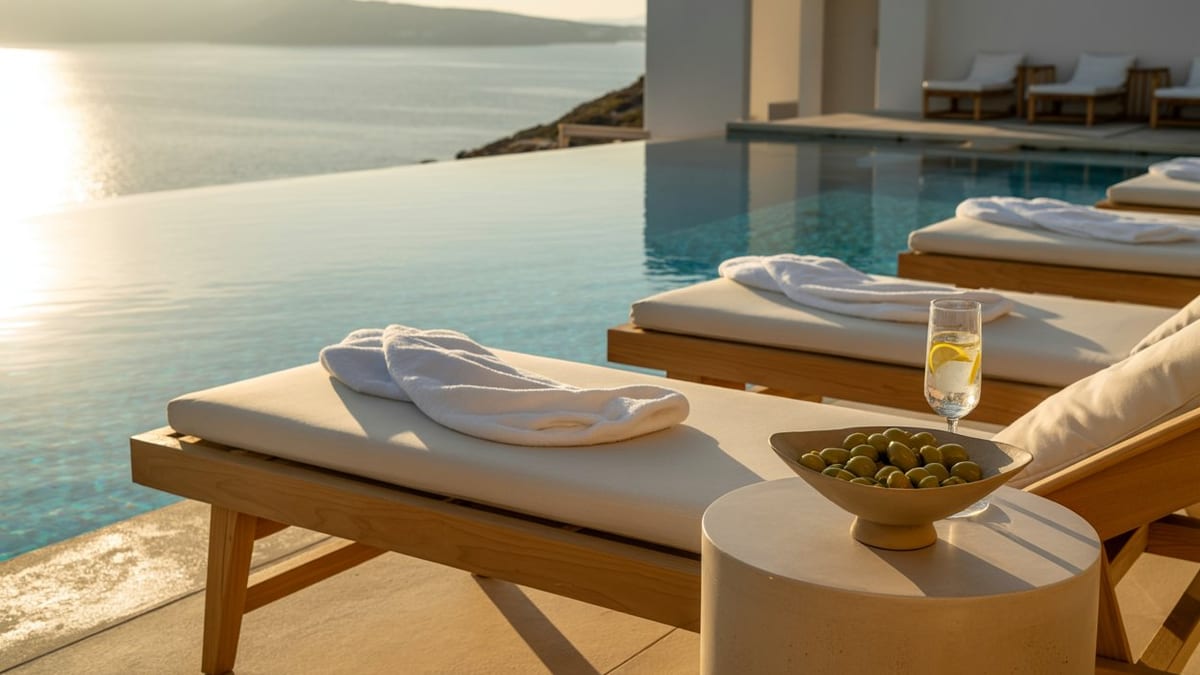
Image by Travel And Tour World
A Strategic Leap Into the Global Wellness Premier League
The 2026 Wellness Travel Index, compiled using data on visitor demand, wellness infrastructure, value for money and guest satisfaction, ranks Greece alongside long-established wellness leaders in Asia and Europe. While specific positions vary across sub-indices such as affordability, quality of retreats and diversity of experiences, Greece’s overall placement in the global top five marks a notable step-change for the Mediterranean country.
Publicly available analysis of wellness tourism shows that Greece has moved from a niche presence to a core player in a global market worth hundreds of billions of euros annually. Recent reports indicate that wellness-focused trips are growing faster than general leisure travel, and Greece is capturing a rising share of this demand through targeted investment and a clearer national focus on health-related tourism.
Industry briefings highlight that Greece’s advance in the 2026 rankings reflects both hard infrastructure and a shift in branding. New high-end resorts, renovated spa hotels and integrated wellness villages have been coupled with positioning that emphasizes stress relief, prevention and long-term lifestyle change rather than short, indulgent breaks.
This repositioning is occurring as the wider Mediterranean consolidates its role as one of the world’s leading tourism regions. Sector research points to strong growth in hotel nights and investor interest across southern Europe, with Greece consistently singled out as one of the most dynamic markets within this broader upswing.
Ancient Healing Traditions Meet Modern Science
Analysts frequently describe Greece as a “natural laboratory” for wellness travel, citing its combination of therapeutic landscapes, centuries-old healing philosophies and modern medical expertise. References to the Hippocratic tradition, thermal springs and the Mediterranean diet are now central to how the country presents itself to health-conscious travelers.
Studies commissioned by Greek tourism bodies and European development institutions underscore the scale of underused natural assets, including hundreds of mineral and thermal springs scattered across the mainland and islands. Many of these locations, long favored by domestic visitors, are now being transformed into contemporary spa complexes, hydrotherapy centers and medical-wellness hubs aimed at international guests.
Ikaria, often cited as one of the world’s “Blue Zones” for longevity, has become a flagship example in international coverage of Greece’s wellness offer. Retreats there and in regions such as the Peloponnese, Crete and the Cyclades increasingly blend yoga, mindfulness and digital detox programs with locally sourced cuisine and outdoor activities like hiking, sailing and cold-water swimming.
The integration of medical and wellness tourism is also becoming more pronounced. Greece has developed competitive services in areas such as preventive screening, fertility treatments and rehabilitation, packaged with restorative stays in coastal or island environments. Commentators note that this mix of clinical rigor and lifestyle appeal is a key factor behind the country’s improved performance in recent wellness indices.
Record Tourism, Investment and Guest Satisfaction
The wellness ranking comes at a time when Greece is registering record tourism volumes and revenues. Recent figures show international arrivals and tourism income at all-time highs, with early 2026 data pointing to continued momentum and rising per-visitor spending.
Hospitality research published in March 2026 confirms that Greek hotels lead Mediterranean competitors in guest satisfaction scores, particularly in areas closely linked to wellness such as service quality, cleanliness and overall experience. Island regions known for retreats and nature-based holidays, including the Cyclades, achieve some of the highest ratings.
Parallel to this, industry trackers report billions of euros in hotel and resort investment in Greece over the last few years, much of it directed toward lifestyle and wellness properties. New projects range from coastal spa resorts and thalassotherapy centers to eco-lodges focused on nature immersion, as well as branded residences positioned for long-stay, wellness-oriented living.
Market analysts note that Greece’s improved showing in the 2026 Wellness Travel Index reflects this wave of development. The country is increasingly able to offer a full spectrum of experiences, from budget-friendly yoga escapes and detox camps to ultra-luxury wellness retreats with advanced spa, nutrition and fitness facilities.
From Seasonal Getaway to Year-Round Sanctuary
One of the most significant implications of Greece’s elevation into the top tier of wellness destinations is its contribution to tackling seasonality. Wellness trips are less tied to peak summer months, and operators report growing interest in spring and autumn programs that take advantage of milder weather and quieter islands.
Reports by travel analytics firms indicate that searches and bookings for Greek wellness retreats and spa stays are rising year on year, with particular growth in shoulder seasons. Urban centers such as Athens and Thessaloniki are also entering the mix, offering city-based wellness weekends that combine cultural attractions with spa, fitness and mindfulness offerings.
Destination developers in regions like the Peloponnese and western Greece are promoting “slow travel” concepts that encourage longer stays and deeper engagement with local communities. Hiking routes, agro-wellness experiences on organic farms and small-scale thermal bathhouses are being framed as antidotes to high-pressure urban lifestyles and always-on digital work cultures.
According to tourism strategy documents and industry commentary, this shift supports broader economic goals. By positioning itself as a sanctuary for mind and body throughout the year, Greece aims to distribute visitor flows more evenly, sustain employment outside the traditional high season and attract travelers who place a premium on sustainability and local authenticity.
Challenges and Opportunities on the Road to 2030
Despite its ascent into the global top five of the 2026 Wellness Travel Index, Greece still faces structural challenges in fully realizing its wellness potential. Sector studies highlight the need for coherent national standards, better coordination between health and tourism authorities, and faster upgrading of smaller, older spa facilities.
Analysts also point to uneven development between well-known hotspots and lesser-known mainland regions, where natural resources are abundant but infrastructure, connectivity and international marketing remain limited. Addressing these gaps is seen as crucial if Greece is to convert its high ranking into sustained leadership in wellness tourism.
On the opportunity side, international research bodies project that wellness tourism spending will continue to outpace overall travel growth through to the end of the decade. Greece is already positioning itself to tap into this trend, with strategies that emphasize preventive health, mental wellbeing, climate-friendly practices and community-based tourism models.
With investor interest strong and global travelers increasingly seeking destinations that support long-term health rather than short-term escape, Greece’s appearance among the world’s top five wellness travel destinations in 2026 is being interpreted by sector observers as both a milestone and a starting point. How effectively the country scales its wellness offering over the next few years will determine whether it can transform its newfound ranking into enduring competitive advantage.