

More news on this day
Passengers moving through Nashville International Airport on April 10 faced fresh disruption as five departures operated by Delta Air Lines, Frontier Airlines and Southwest Airlines were grounded, triggering a new wave of delays on connecting routes to Philadelphia, Atlanta, Toronto, Augusta and additional cities across North America.
Get the latest news straight to your inbox!
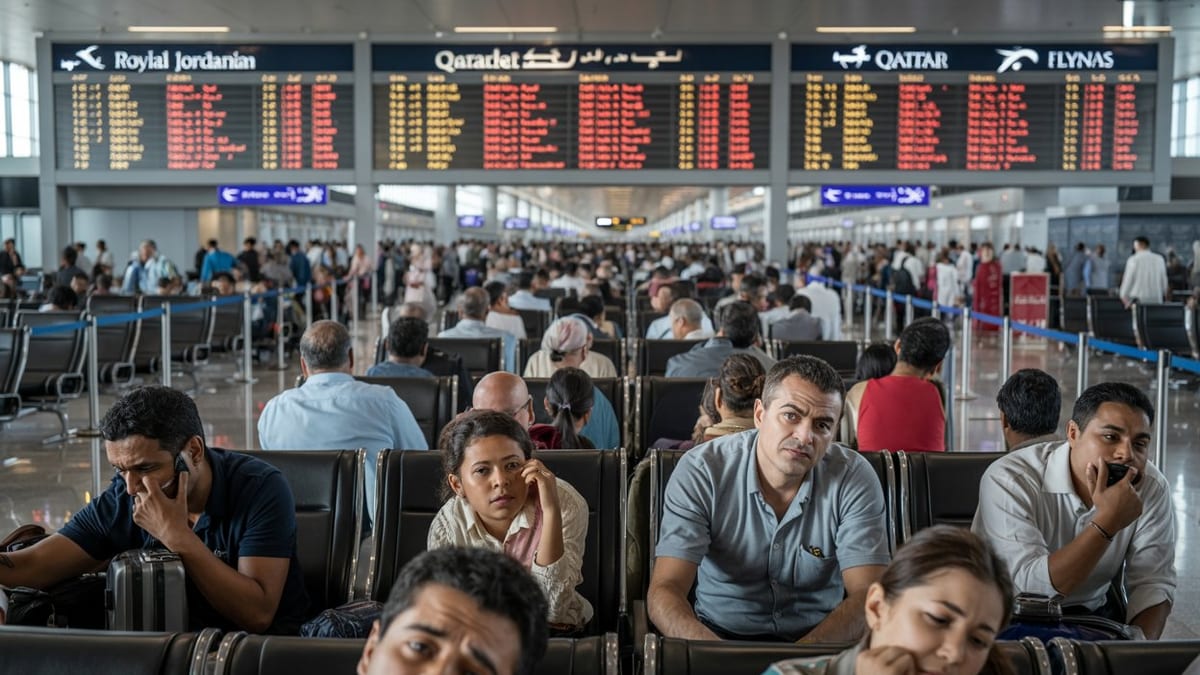
Fresh Disruptions Hit a Busy Spring Travel Corridor
The latest interruption at Nashville International Airport comes during an already tense early April travel period in the United States, with aviation trackers and industry coverage pointing to several consecutive days of elevated delays and cancellations at major hubs. Recent summaries of nationwide operations describe hundreds of daily cancellations and several thousand delays centered on airports such as Atlanta, Miami and Detroit, with ripple effects reaching mid sized nodes like Nashville.
Within this broader context, the grounding of five flights tied to Delta Air Lines, Frontier Airlines and Southwest Airlines at Nashville created immediate schedule gaps on Friday morning and early afternoon. Publicly available flight boards for Nashville showed affected departures on routes linking into the dense East Coast and Midwest corridor, including services feeding larger connecting hubs and regional destinations.
Because Nashville functions as a key connecting point for Southern and Midwestern itineraries, the loss of a handful of departures can quickly propagate through the network. Passengers booked through the city on their way to Philadelphia, Atlanta, Toronto and Augusta reported missed connections and last minute rebookings as aircraft and crew were repositioned to cover priority routes.
Operational summaries and recent disruption reports indicate that carriers across the United States have been working with little slack in their networks this spring, leaving them more vulnerable when individual flights are grounded. When a single departure is removed from the schedule, there are fewer spare aircraft and open seats available to absorb displaced travelers.
Impact Spreads To Philadelphia, Atlanta, Toronto And Augusta
The grounded flights at Nashville came with outsized consequences because they connected into some of the continent’s most heavily trafficked corridors. According to publicly available timetable data, routes linking Nashville with Philadelphia and Atlanta are supported by high weekly frequencies, reflecting strong demand from both business and leisure travelers. Even short disruptions can affect dozens of onward connections at those hubs.
On Friday, passengers due to travel from Nashville to Philadelphia reported rolling delays and equipment changes as airlines attempted to consolidate loads and make use of available aircraft. Because Philadelphia serves as an important link to the Northeast and transatlantic markets, disruptions on a single Nashville leg risked cascading into missed international connections and overnight stays for some travelers.
Atlanta, one of the country’s busiest hubs and a primary base for Delta Air Lines, has itself experienced several days of elevated disruption this month, including dozens of cancellations and hundreds of delays during earlier episodes. When a Nashville to Atlanta departure is grounded, the knock on effect can be pronounced, particularly for travelers relying on tightly timed regional connections or international departures from Atlanta’s long haul banks.
Services touching Toronto and Augusta also felt the strain. Toronto flights are a common bridge between U.S. interior cities and global networks operated by Canadian and international carriers, so delays on Nashville feeder routes can interfere with onward travel to Europe and beyond. Augusta, by contrast, is a smaller market, which often leaves fewer alternative options when a single flight is removed. Travelers bound for the Georgia city reported being rebooked through other Southern hubs or offered ground transportation alternatives where practical.
Delta, Frontier And Southwest Juggle Tight Spring Schedules
The three carriers involved in Friday’s grounded flights are all navigating their own operational and commercial pressures this spring. Delta Air Lines continues to handle strong demand on its core domestic and transcontinental routes while managing the lingering effects of earlier large scale disruptions and ongoing cost pressures. Industry analysis notes that Delta has little spare capacity in some markets as it works to protect reliability at key hubs like Atlanta.
Frontier Airlines, a low cost carrier that has been rebalancing its network in recent months, has shifted capacity toward competitive hub markets, including Atlanta and other large airports, while reducing some frequencies elsewhere. This strategy can increase exposure to congestion and air traffic control constraints at major nodes, which in turn makes the carrier’s point to point network more sensitive when irregular operations occur.
Southwest Airlines, for its part, continues to refine its route map after several schedule adjustments and recent announcements of route cuts and capacity shifts. Analysts have observed that Southwest’s heavy reliance on key U.S. markets and its unique open seating model leave it particularly vulnerable to large scale weather or system disruptions. When operational challenges arise at a mid sized airport like Nashville, the airline may be forced to juggle aircraft and crews across multiple cities to maintain network integrity.
On Friday in Nashville, the combination of grounded flights from these three carriers effectively removed capacity for hundreds of seats from the day’s schedule. With many April services already heavily booked, rebooking options were limited, resulting in longer delays and, in some cases, overnight stays for affected travelers.
Weather, Congestion And Operational Strains Under Scrutiny
Recent reports on U.S. aviation performance this week point to a mix of contributing factors behind the broader pattern of delays and cancellations. Thunderstorms and unsettled weather across parts of the country have periodically slowed traffic flows into major hubs, while pockets of air traffic control constraints have forced airlines to stagger departures and accept ground delays.
Air travel analysts also highlight the cumulative effect of chronic congestion and staffing challenges in some parts of the aviation system. Even when skies are clear over Nashville, knock on delays from other airports can leave inbound aircraft arriving late or out of position, which in turn disrupts scheduled departure times. With airlines running tight utilization on both aircraft and crews, a relatively minor delay early in the day can snowball into significant schedule disruption by evening.
Nashville’s growing profile as a connecting airport adds another layer of complexity. The airport has seen sustained growth in passenger numbers in recent years, supported by expansions in service from legacy and low cost carriers alike. While new gates and terminal upgrades are gradually coming online, reports suggest that infrastructure and ramp space can still be stretched during peak morning and afternoon banks.
Against this backdrop, the grounding of five flights on a single day becomes more than an isolated inconvenience. It reflects an aviation network that remains sensitive to even modest operational shocks, particularly at airports that play an outsized role in connecting secondary cities to the country’s largest hubs.
Travelers Face Long Lines, Rebookings And Uncertain Arrivals
For passengers traveling through Nashville on Friday, the most immediate impact was felt at check in counters, security lines and departure gates. With multiple flights grounded and others departing late, lines for rebooking and customer service grew longer through the day, while departure boards showed a patchwork of new times, gate changes and standby lists.
Travelers bound for Philadelphia, Atlanta, Toronto and Augusta experienced particularly uncertain itineraries as airlines assessed aircraft availability and sought to protect international connections and high demand routes. Some passengers reported being offered rerouting through alternative hubs, while others were advised to accept significantly later departures from Nashville.
Consumer advocates note that the current run of disruptions across U.S. airports has renewed attention on passenger rights, including compensation eligibility and refund rules when flights are canceled or significantly delayed. Public guidance from regulators and industry groups encourages travelers to monitor their flight status closely, keep documentation of delays and cancellations, and review airline policies on rebooking and overnight accommodations.
With forecasts indicating the potential for continued unsettled weather and a busy spring travel calendar, observers say Nashville’s latest setback is unlikely to be the last disruption of the season. For now, passengers using the airport are being urged, through public advisories and travel industry coverage, to allow extra time, remain flexible with connections and keep a close eye on updates from their airlines as conditions continue to evolve.