

The Canadian Museum for Human Rights in Winnipeg is not a place you simply “check off” on a sightseeing list. It is an emotionally rich, architecturally striking space designed to make visitors think, feel, and reflect. With a smart half day itinerary, you can experience the museum’s most compelling galleries and views while still allowing yourself time to pause, process, and appreciate the stories being told.
Understanding the Museum and Planning Your Half Day
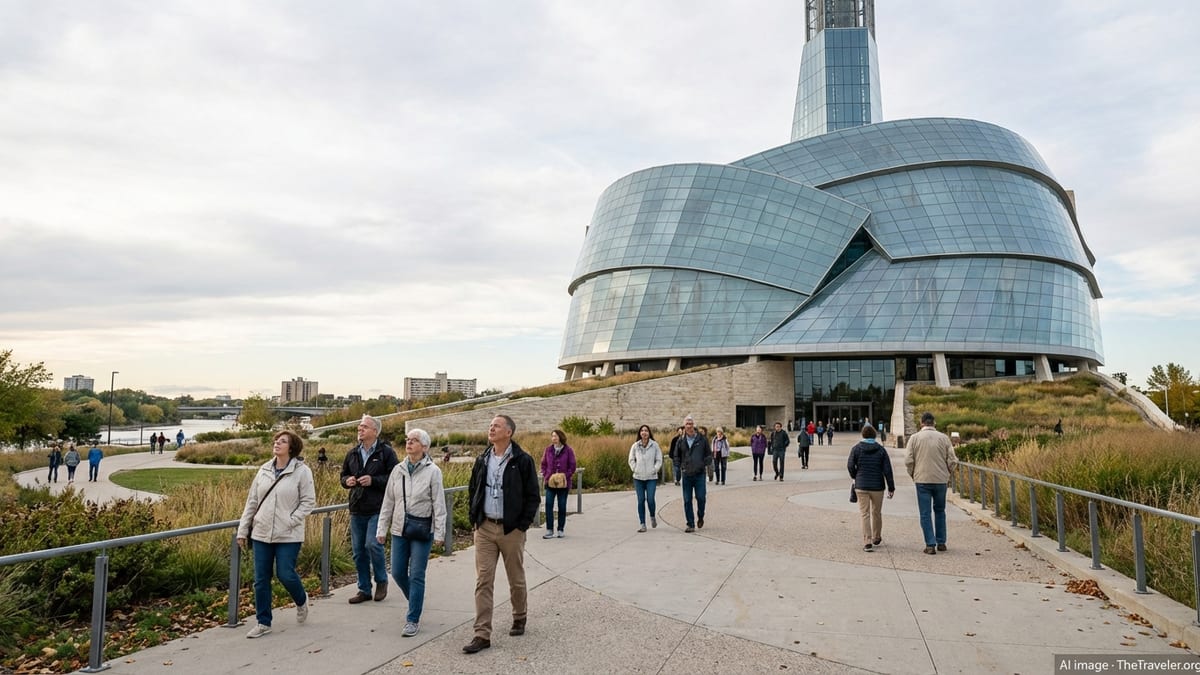
The Canadian Museum for Human Rights (CMHR) sits at The Forks in downtown Winnipeg, on Treaty 1 territory at the confluence of the Red and Assiniboine Rivers. The building’s dramatic glass “cloud,” limestone base, and soaring Tower of Hope make it one of Canada’s most recognizable cultural landmarks. Inside, the museum focuses on human rights education and storytelling rather than on artifacts alone, encouraging visitors to consider both historical injustices and contemporary struggles.
The museum is typically open from late morning through late afternoon, with extended hours on some evenings, especially Fridays. General admission for adults is in the low twenty dollar range, with reduced rates for youth, students, seniors and free admission for young children. Indigenous visitors and companions of visitors with disabilities are often welcomed at no cost, and there are selected days or evening hours when admission is free for everyone. Because hours and pricing change periodically, especially around holidays and commemorative dates, it is best to confirm the current details in advance.
For a half day visit, plan on spending about three to four hours in the museum. This allows time to experience the core galleries, special exhibitions, and the Tower of Hope without rushing. Many visitors find the content emotionally intense and information dense. Building in time to sit, reflect, or simply gaze out over Winnipeg’s skyline is as important as moving from exhibit to exhibit.
If possible, arrive close to opening time. Mornings on weekdays tend to be quieter, while late afternoons and Friday evenings can be livelier with more local visitors and events. Booking tickets ahead of time can streamline entry, especially on weekends or days with special programming.
Arrival, Orientation and Architectural First Impressions
Begin your half day by approaching the museum on foot from The Forks or from nearby streets. As you draw closer, take a few minutes outdoors to appreciate the architecture. The design evokes elements of the Canadian landscape, with a rugged limestone base symbolizing earth and a glass “cloud” structure rising above. The Tower of Hope, which crowns the building, resembles a luminous beacon and is visible from across the city.
Once inside, you enter a darker stone passage that gradually opens into more light. This transition is intentional, mirroring the journey from oppression toward hope that the museum wants visitors to consider. Pause in the Great Hall, the main gathering space, to orient yourself. Here you will find visitor services, ticketing, maps, and staff who can help you tailor your visit to your interests and schedule. If you are visiting with children, ask about family-friendly suggestions and interactive exhibits that may resonate with younger visitors.
This is a good moment to calibrate your time. For a three hour visit, consider spending roughly half an hour in orientation and lower-level spaces, about two to two and a half hours progressing through the galleries, and twenty to thirty minutes at the Tower of Hope and café. If your half day is closer to four hours, you can linger longer in the galleries or add a special exhibition on an upper level.
The museum is fully accessible, with elevators connecting all floors, wide ramps, and inclusive design elements. Wheelchairs and other supports may be available on request, and exhibits often feature a mix of text, audio, video and tactile components. If you have accessibility needs, check in with staff early so you can plan your route comfortably.
Starting Your Journey: Core Galleries on the Lower Levels
The museum is designed as a vertical journey. Most visitors begin on the lower levels and follow a series of illuminated alabaster ramps that lead up through the galleries. For a half day itinerary, start with the introductory spaces that explain what human rights are and why they matter. Exhibits on early conceptions of rights, global milestones and key documents provide context for what you will see later.
Spend about 45 minutes to an hour in these early galleries. Focus on the sections that help you understand how rights have developed over time, from ancient codes and spiritual traditions to modern legal frameworks like the Universal Declaration of Human Rights. Interactive displays, short films, and personal stories help translate abstract ideas into human experiences. Resist the urge to read every single panel; instead, let yourself be drawn to themes that speak to you, whether that is freedom of expression, equality, or the right to a safe home.
As you move up the ramps, you will encounter exhibits that highlight Indigenous perspectives and histories in what is now Canada. These galleries often explore treaties, colonization, residential schools and community resilience. Plan at least 20 to 30 minutes here, more if you are able. The museum places particular emphasis on the lived experiences and voices of First Nations, Inuit and Métis peoples, connecting historic injustices with ongoing struggles for land, language and self-determination.
Keep an eye on the time and your own emotional energy. It is common to feel a mix of sadness, anger, and inspiration as you read about violations and acts of courage. If you are visiting with children or teens, use the early galleries to establish a shared language about what rights mean, so that later, more difficult stories fit into that framework.
Deepening the Experience: Thematic Exhibitions and Personal Stories
By the midpoint of your visit, you will likely be in the museum’s central levels, where thematic and story-driven galleries explore specific human rights issues. The museum frequently hosts temporary exhibitions, such as those examining the dispossession of Japanese Canadians during the Second World War or the government-led purge of 2SLGBTQI+ people from public service roles. These exhibitions change over time but usually share a focus on personal testimony, archival materials and the long-term impact of discriminatory policies.
Allocate about an hour in this part of the museum. Choose one or two temporary or special exhibitions that resonate with you, rather than trying to see everything in depth. Reading letters, legal documents and family photographs can be emotionally taxing. Give yourself permission to pause between sections, sit on a bench, or simply stand and absorb the atmosphere. Many displays include reflection prompts that invite you to consider your own role in advancing human rights.
Alongside temporary exhibitions, you will find permanent galleries devoted to mass atrocities and genocides, civil rights movements, and the ongoing fight against racism, gender-based violence, and other forms of inequality. Multimedia installations, survivor testimonies, and interactive stations encourage visitors to consider both global and Canadian experiences. When time is limited, focus on one major theme, such as racial justice, gender equality, or refugee protection, and follow that thread through the exhibits.
For families or groups, this phase of the itinerary is where conversation becomes especially important. Encourage younger visitors to ask questions and share their reactions. Adults might find it helpful to note particular stories or quotes that they want to revisit later, either back at the hotel or over dinner, when there is more space to talk.
Moments of Reflection: The Garden of Contemplation and Tower of Hope
After engaging with some of the museum’s most challenging content, build in time for quiet reflection. The Garden of Contemplation, an interior space featuring pools of water, stone and filtered natural light, is specifically designed for this purpose. Set aside 15 to 20 minutes here. You may sit in silence, jot down thoughts, or simply focus on breathing and grounding yourself. The contrast between the emotional intensity of the galleries and the calm atmosphere of the garden is deliberate and restorative.
From there, make your way toward the Tower of Hope near the top of the building. The climb continues the metaphorical ascent that runs through the museum’s design, leading visitors from darkness toward light. Elevators are available, but part of the experience is following the ramps and stairs upward as the city comes more fully into view.
At the top, you are rewarded with panoramic views of Winnipeg, The Forks, and the surrounding rivers. On clear days, the broad prairie sky stretches in all directions. Plan 15 to 30 minutes here to take photos, identify landmarks, and reflect on what you have seen. Many visitors find that looking out over a living city filled with homes, workplaces, and schools reinforces the idea that human rights are part of everyday life, not only historical events.
If your half day visit falls on a winter afternoon, you may see the soft light of early dusk settling over the city, which lends a contemplative tone. In summer, bright sunshine and long days create a different, airy mood. Either way, the Tower of Hope is an essential stop that balances the gravity of the exhibits with a physical and symbolic sense of openness.
Practical Tips for a Comfortable and Respectful Visit
A successful half day at the Canadian Museum for Human Rights is as much about practical planning as it is about which galleries you choose. Wear comfortable shoes, as you will spend most of your time on your feet, walking ramps and exploring exhibits. Dress in layers; the indoor climate is controlled, but physical exertion and emotional responses can make you feel warmer or cooler at different moments.
Bring a refillable water bottle, as there are fountains and refill stations available. Hydration helps maintain focus during an intellectually demanding visit. Consider planning a short break in the museum café partway through your itinerary, perhaps after the central thematic galleries and before ascending to the Tower of Hope. This creates a natural pause for a snack, coffee or tea and a chance to digest what you have seen so far.
The museum’s content can be intense for visitors of all ages. If you are traveling with children, preview the museum’s guidance on age-appropriate exhibits and be ready to skip sections that may be too graphic or disturbing. Younger visitors often appreciate the interactive, multimedia stations as well as exhibits that highlight positive change, such as successful rights campaigns or stories of community resilience.
Photography is permitted in many areas, though flash or tripods may be restricted. Be mindful when taking photos around sensitive content or other visitors who may be visibly moved. In some cases, staff may ask you to refrain from photography in specific exhibits, especially those based on personal testimonies or sacred materials. Observing these guidelines is an important part of visiting respectfully.
Connecting the Museum to the Rest of Your Winnipeg Day
A half day itinerary at the Canadian Museum for Human Rights fits neatly into a broader exploration of Winnipeg. The museum’s location at The Forks means you can easily combine your visit with time outdoors along the riverfront, shopping at local artisan stalls, or dining at nearby restaurants and food halls. Many travelers choose to visit the museum in the morning, then spend the afternoon walking along the river trails or exploring other cultural sites.
If your museum visit is in the afternoon or early evening, consider starting your day with a stroll at The Forks or a walk across the nearby pedestrian bridge that spans the Red River. The museum’s distinctive silhouette appears in many of the city’s most recognizable skyline views, and seeing it from different angles enriches your sense of place. After your visit, a relaxed dinner nearby provides a natural setting to discuss what you have learned.
For visitors staying in downtown Winnipeg hotels, the museum is within a short drive, transit ride, or even walk, depending on your starting point. Public transit routes serve the streets around the museum, and there is paid parking nearby for those arriving by car. Arriving a bit early reduces stress around parking and entry queues, particularly on weekends or during special events.
If you are continuing your travels beyond Winnipeg, the museum’s focus on rights and responsibilities may influence how you experience other destinations. Many visitors leave with a renewed interest in local histories, community activism, and the everyday ways in which people work to protect one another’s dignity.
The Takeaway
Visiting the Canadian Museum for Human Rights in half a day is entirely possible, provided you approach the experience with intention. Rather than trying to see every detail, prioritize a thoughtful progression: orient yourself, ground your understanding in the introductory galleries, choose a few thematic areas that resonate, and build in time for contemplation and the Tower of Hope.
What lingers after a well-planned half day is not a checklist of exhibits, but a series of vivid stories and questions. How have rights been denied and defended? What responsibilities do individuals and communities share? How can visitors carry insights from Winnipeg back into their own lives? In that sense, the museum is less a final destination and more a starting point for ongoing reflection.
By balancing logistics and emotion, architecture and narrative, you give yourself space to absorb the museum’s powerful message without becoming overwhelmed. A carefully paced half day at the Canadian Museum for Human Rights can be one of the most meaningful experiences of a trip to Winnipeg, leaving you with a deeper understanding of both historical struggles and present-day movements for justice.
FAQ
Q1. How much time do I need for the Canadian Museum for Human Rights?
Most visitors should plan on three to four hours for a meaningful visit, which fits well into a half day and allows time for key galleries and the Tower of Hope.
Q2. Is a half day really enough to appreciate the museum?
Yes, if you focus on core galleries, one or two thematic exhibits, and make time for reflection spaces and the Tower of Hope, a half day can be very rewarding.
Q3. What is the best time of day to visit for a half day itinerary?
Arriving close to opening time on a weekday usually offers a quieter experience, while late afternoon or Friday evenings can be livelier and sometimes feature extended hours.
Q4. How much does admission cost?
Adult admission is generally in the low twenty dollar range, with discounts for youth, students and seniors, and free entry for young children and some groups. Exact prices can change, so it is wise to confirm current rates before visiting.
Q5. Is the museum suitable for children and families?
The museum includes interactive elements and exhibits that can engage children, but some content is intense. Families may wish to preview guidance, choose age-appropriate sections, and allow time to discuss what children see.
Q6. Is the Canadian Museum for Human Rights accessible?
Yes. The building has elevators, ramps and accessible washrooms, and many exhibits use a mix of text, audio and visual media. Visitors with specific accessibility needs can contact the museum or speak with staff upon arrival.
Q7. Can I take photos inside the museum?
Photography is allowed in many areas for personal use, but flash and tripods may be restricted, and certain exhibits may prohibit photos. On-site signage and staff provide guidance.
Q8. What should I wear and bring for a half day visit?
Comfortable walking shoes and layered clothing are recommended. A refillable water bottle and a small bag for essentials are helpful, while large backpacks may need to be checked or carried carefully.
Q9. Do I need to buy tickets in advance?
Buying tickets ahead of time can speed up entry, especially on weekends, holidays or days with special events. Same-day admission is often available, but advance tickets add peace of mind.
Q10. How can I prepare emotionally for the exhibits?
The subject matter can be heavy, so it helps to arrive rested, plan short breaks, and travel with someone you can talk to. Allowing time in the Garden of Contemplation and the Tower of Hope can balance the intensity of the galleries.