

More news on this day
Hanoi is drawing unprecedented attention on Asia’s travel map, as robust visitor growth, renewed heritage investments and a fast-developing innovation ecosystem position the Vietnamese capital for a breakout year in 2026.
Get the latest news straight to your inbox!
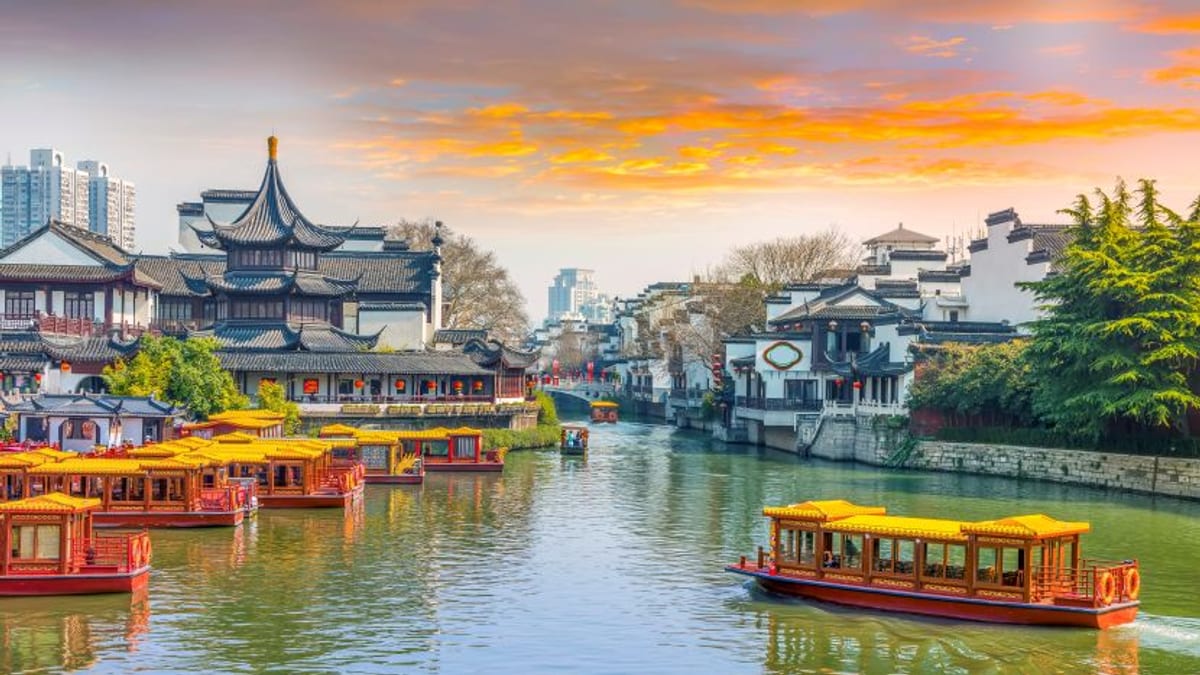
Image by Travel And Tour World
A Capital Riding Vietnam’s Record Tourism Wave
Vietnam’s tourism industry has entered a new phase of expansion, and Hanoi sits near the center of that story. Nationally, Vietnam welcomed more than 17.5 million international visitors in 2024, surpassing most pre-pandemic benchmarks. Provisional figures for 2025 point to a further jump to around 21 million foreign arrivals, reflecting the country’s rising profile among Asian and long-haul travelers alike.
Publicly available data indicates that Hanoi has shared in this momentum, with tourism revenue in the capital projected to have risen by more than 20 percent in 2025 compared with the previous year. Tourism authorities highlight that growth is being fueled not only by regional markets such as China, South Korea and Thailand, but also by a steady increase in arrivals from Europe and North America seeking multi-city itineraries that pair Hanoi with heritage and beach destinations elsewhere in Vietnam.
Travel industry reporting suggests that Hanoi and Ho Chi Minh City remain Vietnam’s two most popular urban gateways, with the capital frequently appearing in regional rankings of top Asian city breaks. For global airlines and tour operators planning their 2026 schedules, the numbers strengthen the case for more capacity into Hanoi’s Noi Bai International Airport and more short-break product focused on the city’s culture-driven urban experiences.
The shift has implications beyond visitor counts. As Vietnam’s national strategy targets 25 million international arrivals in the near term, Hanoi’s performance is increasingly seen as a bellwether for how effectively the country can blend heritage, urban renewal and technology in a way that appeals to higher-spending, longer-stay travelers.
Heritage Core: Old Quarter and Cultural Routes Under the Spotlight
Hanoi’s historic core remains the city’s main draw, and recent initiatives are reshaping how visitors engage with its streets, temples and shop houses. The Old Quarter around Hoan Kiem Lake continues to be marketed as a “must-visit” area, with walking streets, night markets and restored festivals helping to extend visitor stays and spread spending through local businesses.
According to published coverage by local media and academic institutions, new “heritage tourism routes” are being developed to connect emblematic sites across the capital, from the Old Quarter and French colonial boulevards to craft villages and war-era landmarks on the city’s edges. These curated itineraries are designed to disperse visitor flows, reduce congestion in the narrowest lanes, and encourage travelers to explore lesser-known neighborhoods and cultural spaces.
City cultural development plans running to 2030 emphasize the dual goals of preservation and contemporary relevance. That approach is visible in efforts to digitize archives, upgrade museums and expand community-based tourism projects that highlight traditional crafts, cuisine and performing arts in cooperation with local residents. For travelers planning 2026 trips, this means a broader menu of heritage-focused experiences that go beyond a single day in the Old Quarter.
Tourism analysts note that these initiatives also serve a strategic purpose: differentiating Hanoi from other rapidly modernizing Asian capitals by foregrounding its role as a cradle of Vietnamese identity. As more international chains arrive and new high-rise districts appear, heritage programs are expected to play an increasingly prominent role in branding the city as both historic and forward-looking.
Innovation Districts and a New Urban Skyline
While the Old Quarter preserves the city’s past, Hanoi’s northern and western districts are providing a glimpse of its future. Large-scale smart city projects under construction, including a multibillion-dollar development in Dong Anh District anchored by the planned 108-story Phuong Trach Tower, signal Hanoi’s ambitions to compete with regional hubs on modern infrastructure and urban design.
Municipal policy documents describe a broader push to transform Hanoi into a national center of innovation. Recent measures include pilot “sandbox” regulations for emerging technologies, incentives for research and development activities, and support for startup incubators and co-working spaces. Plans for a Hanoi Innovation Center and a venture capital fund backed in part by public resources are intended to attract both domestic and foreign investment into high-growth sectors.
The build-out of new business and residential zones in districts such as Dong Anh, Cau Giay and Nam Tu Liem is already altering visitor patterns. Business travelers are increasingly splitting their time between modern office clusters and meetings in the historic core, while new hotels and serviced apartments are opening along key transport corridors to serve conferences, exhibitions and tech events.
For tourism planners, these developments are reshaping Hanoi’s image from a primarily heritage destination into a mixed city where cutting-edge architecture and traditional alleys coexist. By 2026, visitors are likely to encounter a skyline punctuated by new towers and bridges, alongside expanded metro and ring-road links that shorten travel times between the airport, business districts and central attractions.
Creative Capital: Culture, Youth and the Nighttime Economy
Hanoi’s bid to position itself as a regional creative capital is emerging as another key pillar of its tourism strategy. Projects associated with the UNESCO Creative Cities Network and locally driven initiatives focus on mobilizing the city’s young workforce, arts scene and design community to generate new cultural products and experiences.
Publicly available program outlines point to support for creative businesses in fields such as design, film, music and digital media, as well as the adaptation of heritage spaces into galleries, studios and performance venues. Nighttime events in the Old Quarter and around Hoan Kiem Lake, from street performances to craft and food fairs, have become important tools for animating public space and encouraging visitors to stay out later and spend more.
At the same time, universities and cultural institutions are exploring how to weave heritage storytelling and digital content creation into their curricula, feeding directly into the tourism value chain. The result is a growing ecosystem of tours, workshops and pop-up experiences run by young entrepreneurs who frame Hanoi’s history through contemporary lenses, including photography walks, coffee culture trails and indie music nights.
As 2026 approaches, analysts expect this creative push to become more visible in city branding, with marketing materials emphasizing Hanoi’s blend of tradition and experimentation. For travelers, that could mean more festivals, biennials and cross-disciplinary events scheduled to attract regional audiences and boost off-peak visitation.
What Rising Popularity Means for Travelers and the City in 2026
Hanoi’s rising profile brings opportunities and challenges for 2026. On the opportunity side, stronger air connectivity, new hotels and upgraded public spaces are likely to give visitors more choice and comfort at a range of price points. The continued development of heritage routes and creative districts should make it easier to craft multi-day stays focused on culture, cuisine and neighborhood-level exploration.
However, the city will also have to manage pressures linked to its success. Reports from urban planners and tourism researchers highlight concerns about congestion in the Old Quarter, pressure on historic housing stock and the risk of small businesses being priced out of central locations. Balancing the demands of residents, investors and visitors will remain a central issue as new projects come online.
Environmental sustainability is another emerging theme. As visitor numbers climb, waste management, public transport capacity and green space protection are set to become increasingly prominent topics in local policy debates. Some of the city’s innovation initiatives explicitly reference low-carbon development and smart mobility, suggesting that future tourism infrastructure could be shaped by climate and resilience considerations.
For travelers planning Hanoi itineraries in 2026, these dynamics point to a destination in flux but rich with possibility. The city’s effort to brand itself as both a “city of heritage and innovation” and a regional innovation hub means that visitors are likely to encounter a more layered urban experience, where centuries-old temples and cutting-edge tech campuses sit within the same day’s journey. How effectively Hanoi manages that balance may determine whether its current popularity translates into long-term status as one of Asia’s benchmark city destinations.