

More news on this day
Warm-climate expedition cruises linking the Canary Islands and Cape Verde are emerging as one of Hapag-Lloyd Cruises’ most closely watched developments for the 2027-28 winter season, with tourism officials and travel planners expecting a surge in high-spending visitors seeking subtropical escapes at the height of Europe’s winter.
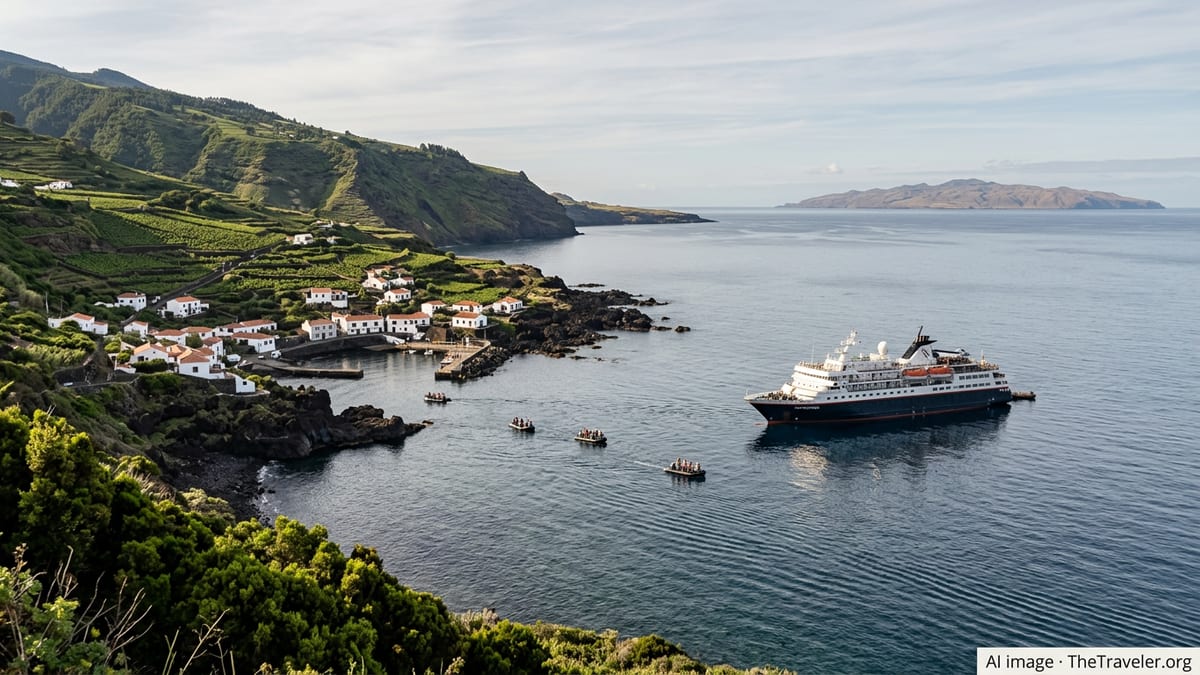
New Warm-Climate Routes Bridge Europe and West Africa
Building on growing demand for small-ship expedition experiences in mild destinations, Hapag-Lloyd has positioned the Canary Islands and Cape Verde as key pillars of its late-2027 and early-2028 program. Recent previews of the line’s expedition portfolio highlight itineraries that combine Spanish Atlantic islands with the volcanic archipelago of Cape Verde, marketed as an opportunity to “extend the summer” in sea temperatures and air conditions that remain comfortable well into the Northern Hemisphere winter.
One flagship example is the 13-day “Expedition Canary Islands and Cape Verde” voyage from Tenerife to Sal, scheduled from 28 October to 10 November 2027 aboard the expedition vessel HANSEATIC Spirit. The sailing weaves lesser-visited Canary Islands such as El Hierro and La Palma with multiple calls in Cape Verde, positioning the route as both an island-hopping holiday and an in-depth cultural journey as the main European holiday season winds down.
Industry brochures and trade previews for 2028 indicate that similar combinations of Madeira, the Canary Islands and Cape Verde will continue into that year, underlining the cruise line’s long-term confidence in the region as a core warm-water expedition theatre. For winter 2027-28, that translates into a more consistent flow of expedition passengers across the shoulder and low seasons, rather than a short, concentrated burst of traffic around Christmas and New Year.
While the 2027-28 deployment still skews heavily toward classic cold-water expedition hotspots such as Antarctica and the polar regions, Hapag-Lloyd’s decision to carve out space for subtropical Atlantic expeditions signals a strategic commitment to diversify seasonal options for guests who want exploratory itineraries without extreme climates.
Tourism Officials Eye Longer, Higher-Value Winter Season
Destination authorities in both the Canary Islands and Cape Verde view the new itineraries as a chance to stretch the winter tourism curve into the late autumn and early spring months, when occupancy traditionally dips and room rates soften. Expedition guests generally fall into higher-spending brackets, often booking pre- and post-cruise stays, private tours and bespoke gastronomy experiences on shore.
In the Canary Islands, which have long marketed themselves as Europe’s year-round “winter sun” playground, officials have been increasingly vocal about the need to balance mass-market resort arrivals with smaller, premium segments that leave a stronger per-capita economic footprint. Boutique expedition calls, especially to lesser-developed islands like El Hierro and La Palma, align with regional efforts to promote hiking, stargazing, wine tourism and nature-based experiences over short-stay beach breaks.
Cape Verde, for its part, has been steadily investing in air links, port infrastructure and hospitality training to support more complex cruise itineraries. Frequent references in Hapag-Lloyd materials to “authentic” Cape Verde experiences, from mountain excursions on Santiago to cultural immersion in Mindelo, dovetail with the government’s push to position the archipelago as more than a fly-and-flop beach destination.
Local tourism boards are already working with ground handlers and community operators to prepare for higher-value expedition traffic across winter 2027-28. The focus, according to regional trade commentary, is on shore programs that can absorb small-ship groups without overloading fragile sites, while ensuring that economic benefits flow into smaller communities beyond the main resort corridors.
What Sets These Expeditions Apart for Travelers
For travelers comparing winter 2027-28 options, the Canary Islands and Cape Verde expeditions differ from traditional cruises in several key ways. Ships like HANSEATIC Spirit operate with lower passenger capacities than mainstream vessels, creating a quieter onboard environment and enabling calls at ports and anchorages that larger ships cannot access. This is particularly relevant for smaller Canary Islands and for lesser-developed Cape Verdean harbors.
The itineraries are also marketed around discovery rather than pure relaxation. Onboard experts such as geologists, marine biologists and cultural lecturers accompany landings and hikes, framing the islands’ volcanic landscapes, endemic species and layered colonial histories in a more academic, expedition-style context. Evening talks, open-bridge policies and zodiac outings reinforce the feeling of an exploratory voyage rather than a point-to-point cruise.
Climate is another selling point. With sea temperatures staying relatively warm and daytime highs often hovering in the low to mid-20s Celsius across much of the winter, guests can alternate between active excursions and time on deck without the harsh conditions associated with polar expeditions. For many, this positions the routes as a first step into the expedition segment before committing to more extreme destinations such as Antarctica or the Arctic.
Pricing sits at the premium end of the market, reflecting both the small-ship model and the inclusion of expert guiding, zodiac landings and high crew-to-guest ratios. Early booking incentives around the Tenerife to Sal departure, including discounts for reservations made by January 2027 and savings for back-to-back itineraries, signal that cabins are expected to fill well ahead of the 2027-28 season.
Booking Trends, Capacity and Sustainability Concerns
The broader cruise market has seen a shift toward earlier booking for high-demand itineraries extending into 2027 and 2028, and Hapag-Lloyd’s Canary Islands and Cape Verde expeditions are following that pattern. Trade outlets report that key departure dates for late 2027 are already attracting strong interest from European and North American guests planning milestone trips and extended winter escapes.
With a limited number of cabins per expedition vessel, capacity in this segment is inherently constrained. Travel advisors are advising clients interested in the 2027-28 winter window to treat these voyages less like last-minute beach packages and more like long-haul safaris, where preferred cabin categories can sell out months or even years in advance.
At the same time, the deployment has revived sustainability discussions around cruise tourism in relatively small island environments. While expedition ships are far smaller than the mega-vessels that call at some Canary Islands ports, environmental groups continue to raise concerns over emissions, marine noise and waste management in sensitive coastal zones. Hapag-Lloyd highlights its adoption of cleaner fuels on newer vessels and its focus on slow, education-led tourism, but local stakeholders are expected to scrutinize actual impacts as winter 2027-28 approaches.
Destination regulators in both archipelagos are under pressure to ensure that increased cruise activity aligns with climate goals and local quality-of-life objectives. Measures under discussion in the wider region include differentiated port fees, stricter shore-power requirements where infrastructure allows, and caps on same-day ship calls at smaller ports, though specific rules for the 2027-28 season have yet to be finalized.
How Travelers Can Prepare for Winter 2027-28 Sailings
For travelers eyeing a Canary Islands and Cape Verde expedition during the 2027-28 winter, industry advisors suggest starting with clarity on priorities: whether the emphasis is hiking and nature, cultural immersion, or simply trading midwinter snow for subtropical breezes with a lighter expedition component. Hapag-Lloyd’s itineraries vary in the balance of sea days, port calls and zodiac operations, so studying day-by-day schedules is essential.
Given the premium pricing and long lead times, travel planners recommend monitoring release dates for final 2027-28 expedition brochures and locking in preferred dates shortly after they go on sale. Flexible travelers may find value by considering shoulder-season departures in late October or early November 2027, when airfares and pre-cruise hotel rates can be lower than at peak holiday periods in December and January.
Travel insurance with robust cruise interruption and medical coverage is increasingly seen as non-negotiable, especially for itineraries that connect multiple islands across different jurisdictions. Guests should also watch for any updated environmental levies, port taxes or visitor caps that regional authorities may introduce as they refine their cruise strategies ahead of the 2027-28 season.
For the destinations themselves, the coming years will be a test of how well warm-climate expedition cruising can complement, rather than compete with, existing tourism models. For travelers willing to plan ahead, Hapag-Lloyd’s Canary Islands and Cape Verde program offers an early opportunity to experience that shift from on board a small expedition ship as winter settles over mainland Europe.