

More news on this day
Las Vegas’ Harry Reid International Airport has recorded at least 208 flight delays and 12 cancellations in early April 2026, as a combination of spring weather, high passenger volumes and wider air traffic constraints disrupts travel plans across the region.
Get the latest news straight to your inbox!
High Traffic Meets Spring Weather at Key Southwest Hub
The latest disruption at Harry Reid International Airport comes at a time when Las Vegas continues to draw strong visitor numbers for conventions, entertainment events and weekend tourism. Publicly available flight tracking data for early April 2026 shows a significant cluster of delays on both domestic and short-haul international routes serving the Nevada hub.
Reports indicate that many of the affected flights are concentrated in peak travel windows, particularly late morning and evening departures, when airport operations are already under heavy strain. This pattern is consistent with previous congestion periods at the airport, where even minor schedule disruptions can quickly ripple across the day’s operations.
Weather has been a contributing factor, with spring systems affecting portions of the western United States and occasionally limiting arrival and departure rates. While conditions in Las Vegas may remain mostly favorable, restrictions at other airports on key routes can slow the flow of traffic into and out of Harry Reid Airport, adding to the cumulative delay count.
Operational adjustments by airlines, including aircraft rotations and crew scheduling, can further compound these disruptions. When one early flight operates late, subsequent departures using the same aircraft or crew may be forced to depart behind schedule, contributing to the total of 208 delays and prompting some of the 12 recorded cancellations.
Impact on Passengers and the Visitor Economy
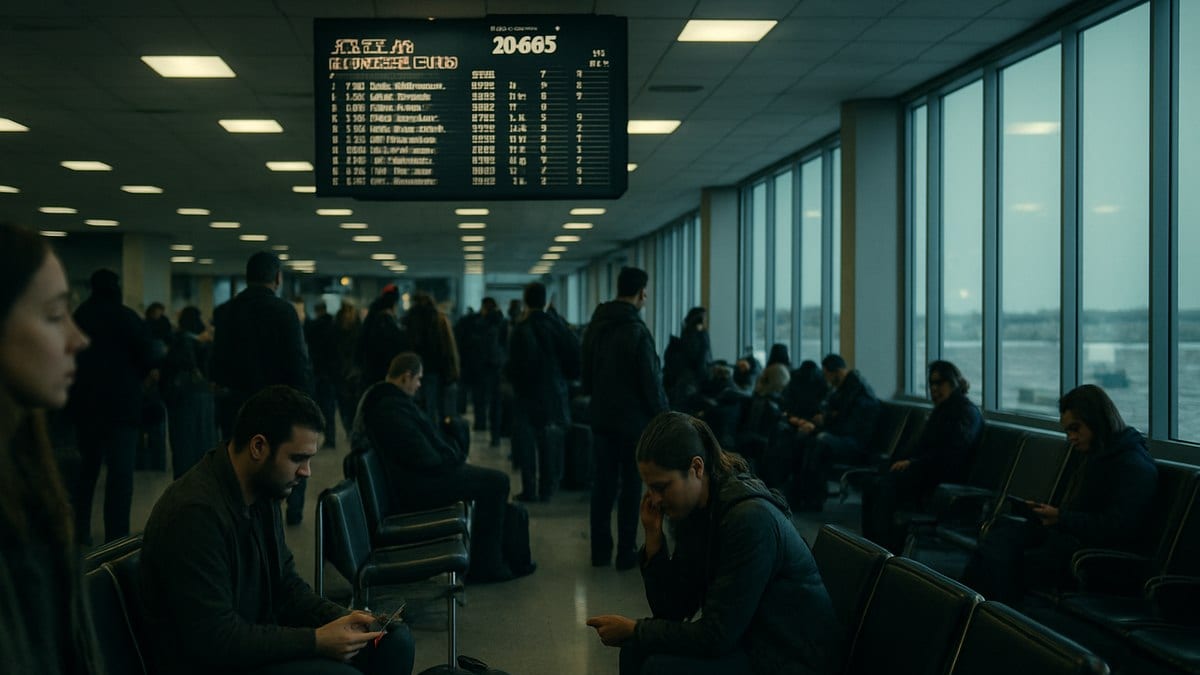
The elevated number of delayed and canceled flights has direct consequences for passengers heading to or departing from Las Vegas. Travelers face longer waits at departure gates, missed connections and compressed itineraries, while some are required to rebook entirely when flights are canceled. Publicly accessible passenger reports highlight crowded terminals and extended lines at customer service counters as travelers seek alternative arrangements.
For a destination so closely tied to tourism, disruptions at Harry Reid International Airport can reverberate beyond the terminal. Hotels, convention organizers and entertainment venues may encounter guests arriving later than planned or, in some cases, not at all. This can complicate event schedules and same-day bookings that rely on predictable arrival times.
Ground transport operators, including rideshare drivers, taxis and shuttle services, can also feel the effects of volatile flight schedules. Sudden surges in late-night arrivals following earlier delays can strain capacity, while earlier periods of unexpected quiet reduce anticipated demand. These fluctuations make it more difficult for service providers to plan staffing and vehicle deployment.
Travel industry observers note that many passengers are increasingly building buffer time into their itineraries, such as arriving in Las Vegas a day before major events or important meetings. This behavioral shift reflects an adaptation to a broader environment in which large hub airports, including Harry Reid, are experiencing more frequent operational volatility.
Network Constraints Across U.S. Airspace
While the 208 delays and 12 cancellations focus attention on Harry Reid Airport, the situation is closely tied to conditions across the wider U.S. air travel network. Air traffic control programs, congestion at other major hubs and aircraft positioning all influence how reliably flights can operate on time.
In recent seasons, publicly available performance data for U.S. carriers has indicated that even modest storms in one region can trigger extensive knock-on effects. When aircraft and crews are held up elsewhere, flights into Las Vegas can depart late or be reassigned, reducing the flexibility available to absorb schedule changes at Harry Reid International.
Industry analyses often highlight structural challenges that make the system vulnerable to these cascading disruptions. High utilization of aircraft during busy travel periods, limited spare capacity and tight turnaround times all help maximize efficiency, but they also leave little room to recover when unforeseen events occur. In this context, the accumulation of more than 200 delays over a short window at a single airport is seen as a symptom of broader network stress.
According to published coverage, airlines are continuing to refine schedules and adjust capacity on routes serving Las Vegas to balance demand with operational resilience. However, even optimized timetables cannot fully remove exposure to fast-changing weather patterns or airspace constraints in other parts of the country.
What Travelers Can Do as Disruptions Mount
With disruptions at Harry Reid Airport drawing renewed attention to flight reliability, travel advisers and consumer advocates emphasize a few practical steps passengers can take when planning April trips. Public recommendations focus on booking earlier flights in the day, when possible, because morning departures are less exposed to cumulative delays that build up over the course of the schedule.
Another common suggestion is to allow additional time for connections, especially for itineraries that route through other busy hubs before or after Las Vegas. Longer layovers can reduce the risk of missed onward flights if incoming segments encounter moderate delays. Passengers are also encouraged to monitor real-time flight status tools and sign up for airline notifications to stay informed about evolving conditions.
Travel insurance with coverage for delays and cancellations can provide some financial protection, particularly for trips that include nonrefundable hotel stays, event tickets or tour packages. However, publicly available consumer guidance advises travelers to review policy language carefully to understand what circumstances qualify for reimbursement.
At the airport level, passengers experiencing lengthy disruptions often report that having access to food, water, charging outlets and alternative entertainment options can meaningfully reduce stress during unexpected waits. Some carriers provide digital vouchers or rebooking tools, but travelers are still encouraged to prepare for the possibility of extended time in the terminal.
Looking Ahead to the Remainder of April 2026
The cluster of 208 delays and 12 cancellations at Harry Reid International Airport in early April 2026 underscores the continued sensitivity of air travel to a mix of weather, traffic management and logistical factors. While the episode is disruptive for affected passengers, it aligns with patterns seen in recent years during periods of strong leisure demand.
Forecasts for the remainder of April point to continued robust travel activity tied to conventions, entertainment residencies and weekend events across Las Vegas. These drivers are expected to keep Harry Reid Airport operating near capacity on many days, which may heighten the potential for further delay spikes if adverse conditions arise elsewhere in the network.
Observers of the aviation sector note that incremental improvements in technology and scheduling practices are gradually helping carriers manage such peaks more effectively. Real-time data tools, refined crew planning and more flexible use of aircraft can all contribute to smoother operations, even if they cannot eliminate every disruption.
For travelers, the latest figures from Las Vegas serve as a reminder to check flight status frequently, plan for contingencies and build flexibility into their April itineraries. As the spring travel season progresses, Harry Reid International Airport is likely to remain a focal point for monitoring how the U.S. air travel system handles sustained demand under variable conditions.