

More news on this day
Spring break travelers converging on Las Vegas in March 2026 faced a volatile mix of government shutdown fallout, security bottlenecks and weather disruptions at Harry Reid International Airport, adding fresh pressure to already fragile airline stocks.
Get the latest news straight to your inbox!
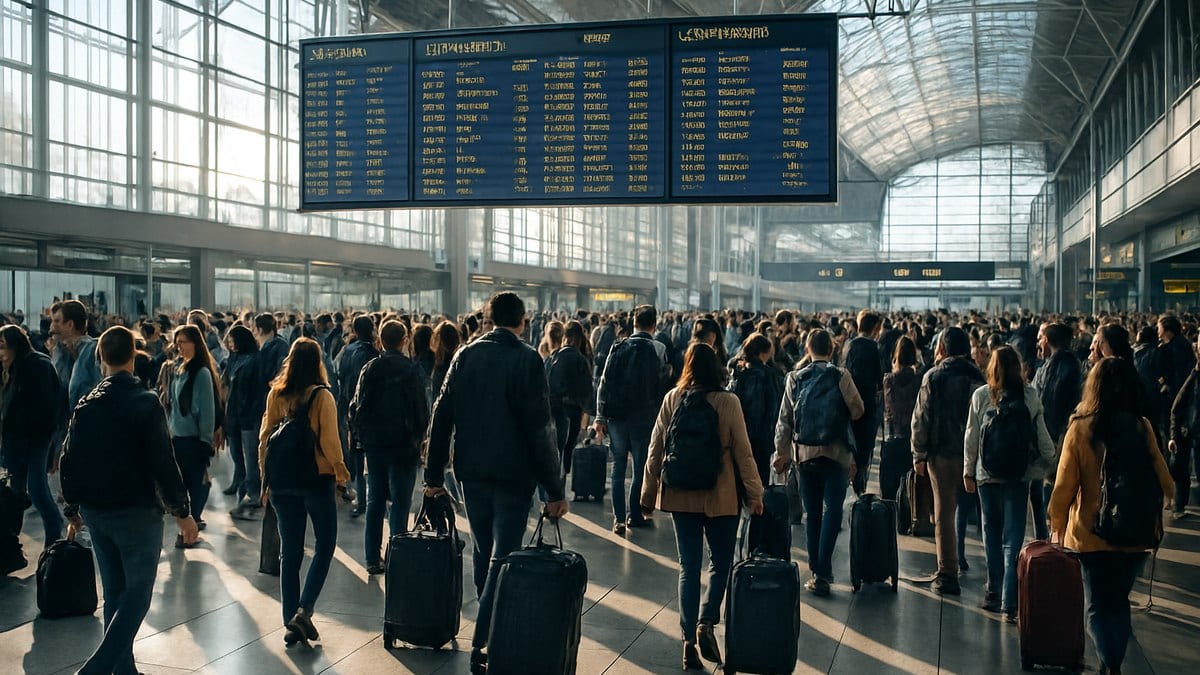
Shutdown Strains Meet Spring Break Crowds in Las Vegas
Harry Reid International Airport entered the spring break period as one of several major U.S. hubs grappling with the repercussions of a protracted partial federal government shutdown. Publicly available information shows that Transportation Security Administration staffing has been under acute strain nationwide since mid-February, with thousands of screeners working without pay and hundreds resigning. The crunch coincided with one of the busiest leisure travel windows of the year, amplifying the risk of lengthy queues and missed departures.
Las Vegas, a leading spring break destination and convention city, saw passenger volumes build steadily through March. Industry data cited in recent aviation and travel coverage indicate that U.S. carriers expected to handle roughly 2.8 million passengers per day between early March and late April, with resort cities such as Las Vegas among the primary beneficiaries. At Harry Reid, that surge landed on an operation that had already been tested by winter storms, periodic ground delays and a broader national shortage of security officers.
Reports from travelers and local outlets described a choppy pattern at security checkpoints. On some peak mornings and weekends, lines stretched deep into terminal spaces as visitors arrived hours before departure, wary of national headlines about record wait times. At other periods during the same week, social media posts from frequent flyers suggested that Harry Reid’s flow management and staffing adjustments kept lines moving in under an hour, underscoring how conditions could swing within a single day.
The uneven experience contributed to an atmosphere of uncertainty for spring breakers heading to and from Las Vegas. Travel forums and community boards filled with real-time accounts of security lines, with some passengers recounting multi-hour waits at the height of the March rush and others reporting relatively smooth passage through checkpoints when traveling outside the most congested windows.
TSA Bottlenecks, New Tools and On-the-Ground Chaos
Published coverage points to TSA staffing as a central pressure point at Harry Reid during the spring break period. The federal shutdown meant many officers were balancing unpaid work with rising living costs, and national absenteeism rates climbed as screeners sought second jobs or opted to leave the agency. While Las Vegas was not always among the worst-affected airports, the cumulative impact of staffing gaps, early-morning rushes and large outbound tour groups led to periodic bottlenecks.
Local reporting in early April highlighted one response to that strain: Harry Reid International introduced online estimates of checkpoint wait times, giving passengers a way to gauge conditions before leaving for the airport. The tool, promoted on the airport’s digital platforms, is intended to smooth demand by encouraging travelers to adjust arrival times and select less congested security lanes when possible. Travel analysts note that real-time data can help distribute crowds more evenly through the day, even if it cannot fully offset the impact of a national staffing shortfall.
Firsthand accounts from travelers reveal flashes of outright chaos when crowding collided with individual incidents. In one widely shared description from late March, a dispute involving passengers cutting a lengthy security line prompted a law enforcement response and temporarily froze movement through a checkpoint. Such stoppages, while short in duration, have outsized effects when lines already snake through the terminal, pushing some passengers past boarding time.
At the same time, several frequent flyers based in Las Vegas pointed out that Harry Reid’s security operation often compared favorably with other major hubs during the shutdown. They reported that, outside of weekend peaks and very early morning departures, lines were frequently shorter than those seen at airports in Atlanta, Houston or New York. This split perception has fueled debate among travelers over whether national concerns about TSA delays are being unevenly experienced, with Harry Reid demonstrating both the vulnerabilities and the resilience of a high-volume leisure hub.
Flight Disruptions Ripple Across Airlines
The turbulence at Harry Reid unfolded alongside a broader pattern of disruption in U.S. air travel. A major March storm system brought blizzard conditions and severe weather to large swaths of the country, triggering thousands of delays and cancellations at Eastern and Midwestern hubs. As those networks backed up, knock-on effects reached western airports, including Las Vegas, where aircraft and crews arrived late, compressing turn times and compressing already crowded departure banks.
National tracking services logged several days in late March with more than 4,000 delays and hundreds of cancellations across U.S. airports. While the highest concentration of interruptions was clustered at airports such as New York’s LaGuardia, operational strain spilled into Las Vegas through late inbound flights and tighter connection windows. For spring break travelers returning from Las Vegas, that meant longer-than-expected time on the tarmac, missed connections at downstream hubs and, in some cases, extended hotel stays while waiting for rebooked flights.
Airlines serving Harry Reid, including major network carriers and low-cost leisure airlines, responded with a patchwork of measures. According to industry newsletters and financial commentary, some operators introduced temporary flexible-change policies, fee waivers or advisory notices for flights touching the most congested airports. Others quietly trimmed schedules to build more slack into the system while juggling reduced staffing levels in both airport operations and air traffic control, which has also been affected by the shutdown.
For Las Vegas specifically, the combination of high load factors, spring break party traffic and limited spare capacity meant that even minor schedule adjustments reverberated across multiple flights. A single delayed arrival from a storm-struck hub could cascade into missed departure slots, extended waits at crowded gates and, for some passengers, the loss of a full day of vacation or work time.
Investor Jitters as Travel and Fuel Risks Mount
The operational stress at airports such as Harry Reid arrived at an already delicate moment for airline investors. Financial analysis from early March shows that airline stocks had been under pressure since mid-February as geopolitical tensions in the Middle East pushed oil prices sharply higher. Rising fuel costs, combined with concerns about demand resilience during a shutdown and an exceptionally disruptive spring break travel season, contributed to volatile trading in the sector.
On several trading days in March, major U.S. carriers recorded declines in the low single digits, reflecting a mix of higher operating expenses and uncertainty about how much revenue could be recaptured from disrupted flights. Travel and tourism exchange-traded funds echoed that weakness, underperforming broader equity indexes as headlines about cancellations, multi-hour security lines and stranded spring breakers dominated news cycles.
Analysts following the industry have emphasized that airline stocks are particularly sensitive to highly visible operational issues. Images of crowded concourses in Las Vegas and elsewhere, combined with reports of families sleeping on airport floors during storm disruptions, can dent traveler confidence at the margins and encourage some consumers to delay or downgrade trips. When such sentiment shifts occur concurrently with higher fuel bills and wage pressures linked to the federal shutdown, earnings forecasts can be revised downward, adding to share-price volatility.
Despite the selloff, commentary from several research houses suggests that the market reaction may reflect both short-term disruption and longer-term structural questions. Airlines entered 2026 after years of capacity discipline and strong leisure demand, but the spring break chaos has revived debates about the fragility of the U.S. air travel system in the face of political gridlock, staffing shortages and increasingly extreme weather events.
Harry Reid Airport at the Center of a Larger Travel Stress Test
Harry Reid’s spring break experience has emerged as a case study in how quickly a modern hub can swing from orderly throughput to acute congestion when multiple stressors align. The airport’s significance as a gateway to casinos, entertainment venues and major events means that any disruption is magnified for the broader Las Vegas economy, which remains heavily dependent on fly-in visitors.
Recent traffic statistics indicate that overall passenger volumes at Harry Reid dipped slightly year over year in February 2026, but that modest easing did little to blunt the sharp peaks seen during March holidays and major conventions. Travel observers note that Las Vegas’s event-driven demand profile creates pronounced surges that can overwhelm security screening and baggage systems if staffing and scheduling are not carefully calibrated, particularly during periods of national strain such as the current shutdown.
Airport authorities and local tourism bodies have been promoting earlier arrivals, carry-on-only packing strategies and greater use of trusted traveler programs as ways to mitigate spring break congestion. The launch of online checkpoint wait-time estimates is one of several incremental tools intended to give passengers more control over their journeys. However, aviation experts caution that technology alone cannot fully offset the impact of underfunded federal agencies or delayed investments in infrastructure.
For airlines, investors and travelers, the episodes of chaos at Harry Reid underscore the interconnected nature of the modern air network. A line that stalls in Las Vegas can echo into missed connections in Chicago, aircraft shortages in Dallas and ultimately swings on Wall Street trading floors. As the shutdown saga and spring break season progress, Harry Reid’s performance will remain a closely watched indicator of how much strain the system can absorb before operational turbulence translates into lasting financial damage.