

More news on this day
Hat Yai International Airport in southern Thailand has resumed normal runway operations after an accident involving an airport fire service vehicle temporarily halted take offs and landings and delayed at least 12 flights, according to initial local media reports and flight tracking data.
Get the latest news straight to your inbox!
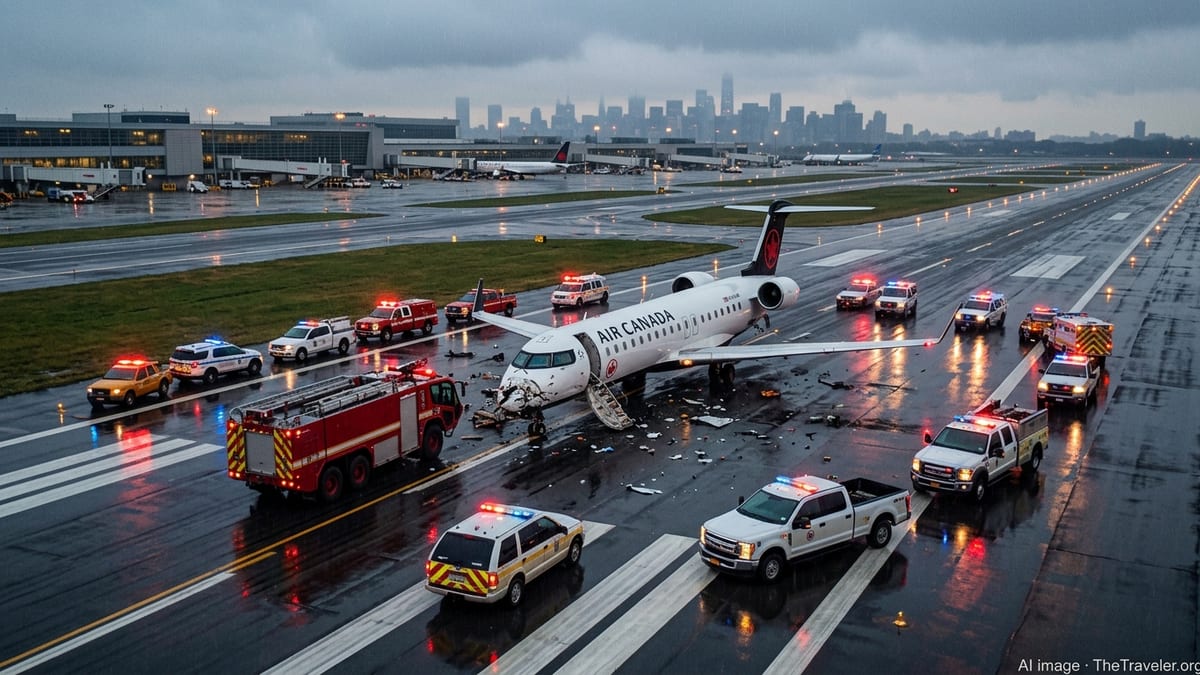
Runway cleared and operations restored
Publicly available information indicates that the runway at Hat Yai International Airport was shut for a period while emergency teams removed the damaged fire vehicle and inspected the surface for debris. Flight status boards and tracking platforms showed a cluster of delayed departures and arrivals during the closure window before normal sequencing gradually returned.
Reports from Thai news outlets describe the incident as involving a specialist fire or rescue vehicle that came to rest on or near the active runway, prompting air traffic controllers to suspend movements as a precaution. There were no early indications of injuries among passengers, and commercial aircraft already on approach were placed in holding patterns or diverted to other airports in the region.
By the time the runway reopened, ground handlers and airlines had begun reorganising departure slots, leading to rolling knock on delays that continued for several hours after the physical obstruction was cleared.
Impact on passengers and delayed flights
Based on published flight logs for the afternoon and evening schedule, at least 12 domestic and international services experienced delays linked to the temporary closure. Affected routes appear to include Bangkok Hat Yai trunk services as well as regional links to Malaysian cities, which are popular with both local residents and cross border tourists.
Passengers reported extended waiting times at gates and in terminal seating areas while airlines awaited clearance times and updated departure sequences. Some carriers adjusted aircraft rotations, swapping equipment or pushing back later services in order to accommodate the backlog from the disrupted period.
Available data suggests that most of the delayed flights eventually departed or arrived the same day, though some evening services were rescheduled or consolidated onto later rotations. Travel agents and booking platforms highlighted limited same day rebooking options for passengers hoping to connect onward to island destinations and southern coastal provinces.
Safety protocols and investigation process
Published coverage notes that the immediate response at Hat Yai followed established airport safety procedures in which any incident involving emergency vehicles on or near a live runway triggers an automatic pause in movements. This provides time for inspection of the pavement surface, checks for fuel or fluid spills, and confirmation that navigation aids are functioning normally before operations resume.
According to information routinely released in similar cases at regional airports, authorities typically review radio communications, vehicle movement logs and surveillance footage to reconstruct how a fire vehicle came to be in a position that required a full runway stop. That process generally runs in parallel with technical assessments of the affected vehicle to identify any mechanical faults or braking issues.
Any formal findings are usually shared at a later stage through official bulletins or summary statements, which may include recommendations on vehicle routing, driver training, signage or coordination between the control tower and ground services. For passengers, the most visible outcome tends to be a short period of heightened presence of rescue and firefighting units positioned alongside the runway once traffic restarts.
Regional travel context in southern Thailand
Hat Yai serves as one of the main aviation gateways to Thailand’s far south and to nearby Malaysian border provinces. The airport supports a mix of domestic trunk routes to Bangkok and other Thai cities, as well as cross border services that feed tourism flows to coastal islands and overland connections to Penang and other Malaysian hubs.
Recent months have seen southern Thai airports managing a series of weather related disruptions and isolated technical incidents, underscoring the importance of resilient contingency planning in the busy high season. Industry observers note that regional hubs like Hat Yai, Phuket and Krabi often operate with a single runway, making them more vulnerable to short periods of complete closure when an incident occurs on the active strip.
Travel analysts suggest that passengers transiting through these airports build in additional buffer time, particularly when same day ferries, buses or international connections depend on punctual arrivals. While the Hat Yai fire vehicle accident appears to have been contained within a relatively short operational window, it illustrates how even a non aircraft incident can ripple through the schedule for several hours.
What travelers should do next
For upcoming passengers with tickets to or from Hat Yai, the most recent timetables and status indicators show the airport operating normally following the incident. Airlines are expected to continue minor schedule adjustments while they reposition aircraft and crews, but no extended closure is anticipated based on currently available information.
Travel experts advise that passengers monitor their booking details on the day of travel, arrive at the airport early in case of residual queues at check in or security, and keep flexible plans for onward ground or sea transfers. Those who experienced significant delays during the disruption may be eligible for rebooking options or service vouchers under individual airline policies.
As the investigation into the fire vehicle accident proceeds, aviation observers will be watching for any safety recommendations that could help reduce the likelihood of similar events at Hat Yai or other single runway airports in the region. For now, the quick reopening of the runway has allowed southern Thailand’s air links to return to their usual role supporting tourism, business travel and local mobility.