


More news on this day
Heritage operator Severn Valley Railway has temporarily suspended its steam-hauled services after a lineside grass fire near its route, prompting a precautionary switch to diesel trains and a renewed focus on fire risk during hot, dry weather.
Get the latest news straight to your inbox!
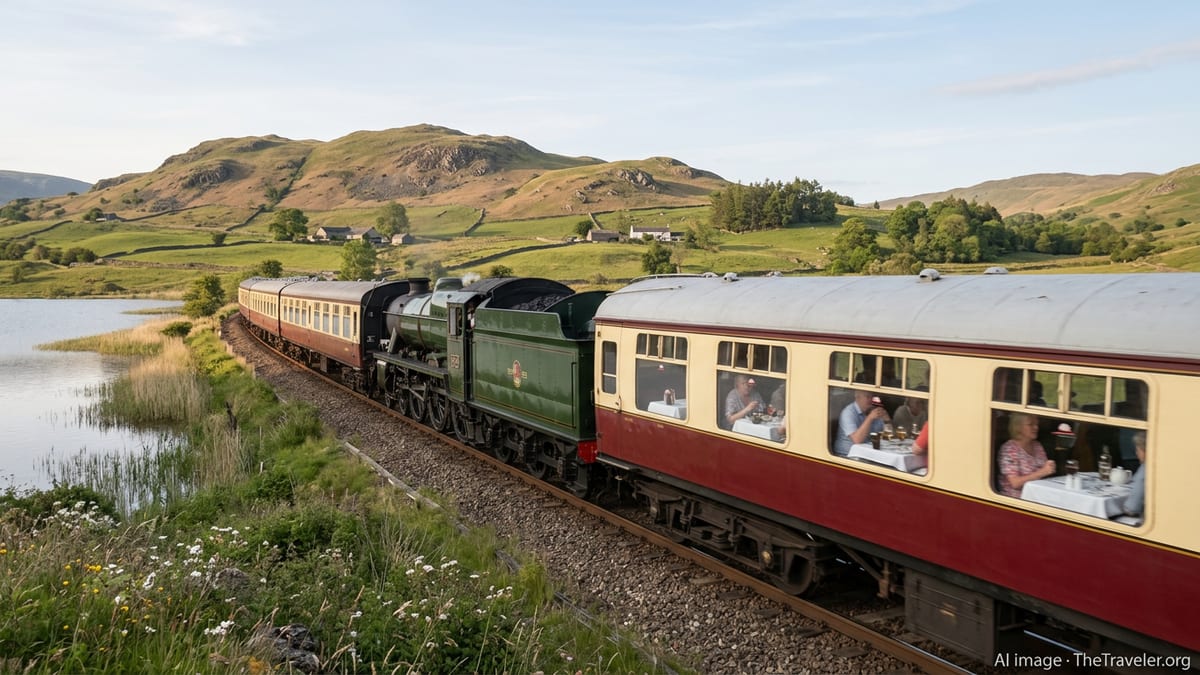
Grass blaze triggers precautionary shutdown of steam
Reports indicate that Severn Valley Railway paused its steam operations after a grass fire was recorded close to the line near West Midlands Safari Park. Early accounts suggest the blaze started in dry vegetation alongside the heritage track, in an area where steam services regularly operate.
Publicly available information from specialist rail coverage describes scorch damage along the lineside, with the fire believed to have been sparked by embers or cinders from a passing locomotive in very dry conditions. There have been no reports of injuries, but the incident has added to growing concern over how heritage railways manage fire risk during increasingly intense summer heat.
In response, Severn Valley Railway has suspended steam workings while the circumstances of the incident are reviewed and mitigation measures are reassessed. The line continues to run services using heritage diesel locomotives so that timetabled trains can operate while fire risk remains elevated.
The incident comes at a time when grass and scrub fires have become more common in parts of the United Kingdom during prolonged dry spells, putting additional scrutiny on operations that use coal-fired locomotives and open exhausts along rural routes.
Heritage line leans on diesel fleet to keep services running
Published coverage notes that Severn Valley Railway has been able to maintain its timetable by substituting heritage diesel traction for steam on most trains. The line has built up a substantial diesel fleet over recent decades, a factor that now allows it to respond quickly when steam operation would carry higher safety or environmental risks.
Timetables and promotional material for the railway show that diesel-hauled trains are already a regular feature, particularly outside peak enthusiast events. This operational flexibility means that visitors can still travel the full length of the route while the investigation into the fire continues.
For a heritage railway whose identity is strongly associated with steam, the temporary change underscores a wider trend in the sector. Increasingly, preserved lines are relying on mixed fleets of steam and diesel traction, both for operational resilience and as a contingency when weather, infrastructure issues or regulatory requirements limit traditional steam operations.
The current suspension of steam at Severn Valley Railway illustrates how diesel traction is no longer simply a supporting act but an essential part of how many heritage routes guarantee service continuity.
Fire risk and changing weather patterns challenge steam era charm
The decision to halt steam services is not the first time Severn Valley Railway has adjusted operations in response to fire risk. Previous seasons have seen temporary switches to diesel-only timetables during extended dry spells, a pattern mirrored by other heritage lines across England and Wales.
Industry reports point to the combined effect of hotter summers, lower soil moisture and increased vegetation stress, which together create conditions in which even small sparks can ignite lineside grass and scrub. Traditional steam locomotives, with their exhaust cinders and ash discharge, are particularly scrutinised in these circumstances.
Heritage operators have responded with a range of mitigation measures, including enhanced ash-pan design, spark arrestors, reduced power settings in high-risk zones and volunteer patrols monitoring vulnerable sections of track. However, when conditions become extremely dry, many lines now adopt a precautionary suspension of steam rather than rely solely on technical controls.
At Severn Valley Railway, the latest grass fire reinforces these pressures. While the route remains a flagship of the UK preservation movement, the incident demonstrates how climate patterns and environmental considerations are reshaping what day-to-day operation of a steam-led heritage railway can look like.
Economic and visitor implications during peak season
The timing of the fire and the resulting suspension of steam services present commercial challenges for Severn Valley Railway. Peak visitor periods often coincide with school holidays and, increasingly, the hottest and driest part of the year, when fire risk is most acute.
Steam locomotives are a major draw for families, enthusiasts and tourists, and many visitors plan trips specifically to experience traditional steam haulage. A shift to diesel traction can influence perception, even when the rest of the heritage offer, from period stations to vintage rolling stock, remains unchanged.
Nevertheless, publicly available commentary suggests that a significant proportion of passengers are primarily seeking a scenic heritage rail journey rather than a specific type of locomotive. For these visitors, the ability of Severn Valley Railway to keep services running at all, despite the suspension of steam, may reduce potential revenue losses.
The railway also benefits from a calendar of special events, galas and themed days that can be adapted to highlight diesel traction or other attractions when steam availability is constrained. This adaptability is likely to be increasingly important if hot, dry summers continue to intersect with the busiest travel periods.
Broader questions for the future of steam operation
The incident at Severn Valley Railway feeds into a broader debate across the heritage railway sector about how long-term steam operations can be sustained alongside safety, environmental and regulatory expectations. Fire risk is one part of a wider picture that also includes fuel supply, emissions considerations and the cost of maintaining and overhauling aging locomotives.
Preservation groups and industry associations are exploring a variety of strategies, from greater use of diesel and electric traction to potential adoption of alternative fuels and modified combustion technologies for steam engines. Lineside management, such as vegetation clearance and firebreak creation, is also receiving increased attention as a practical tool to limit the spread of any accidental ignition.
For now, Severn Valley Railway’s decision to suspend steam services after a grass fire underlines how swiftly operating practices can change in response to a single incident. As investigations continue and conditions evolve, the line is expected to review when and how steam can safely return, balancing its historic character with the realities of operating in a warmer, more fire-prone climate.
The episode serves as a reminder that preserving the spectacle of steam in the twenty-first century involves more than maintaining locomotives. It increasingly requires detailed risk assessment, operational flexibility and acceptance that heritage operations must adapt when safety and environmental pressures intensify.