


More news on this day
Rising oil and jet fuel prices are converging with regional airspace disruptions to push up airfares across the Gulf, with major hubs Doha, Abu Dhabi and Dubai all facing higher operating costs that are starting to reshape travel demand and tourism flows.
Get the latest news straight to your inbox!
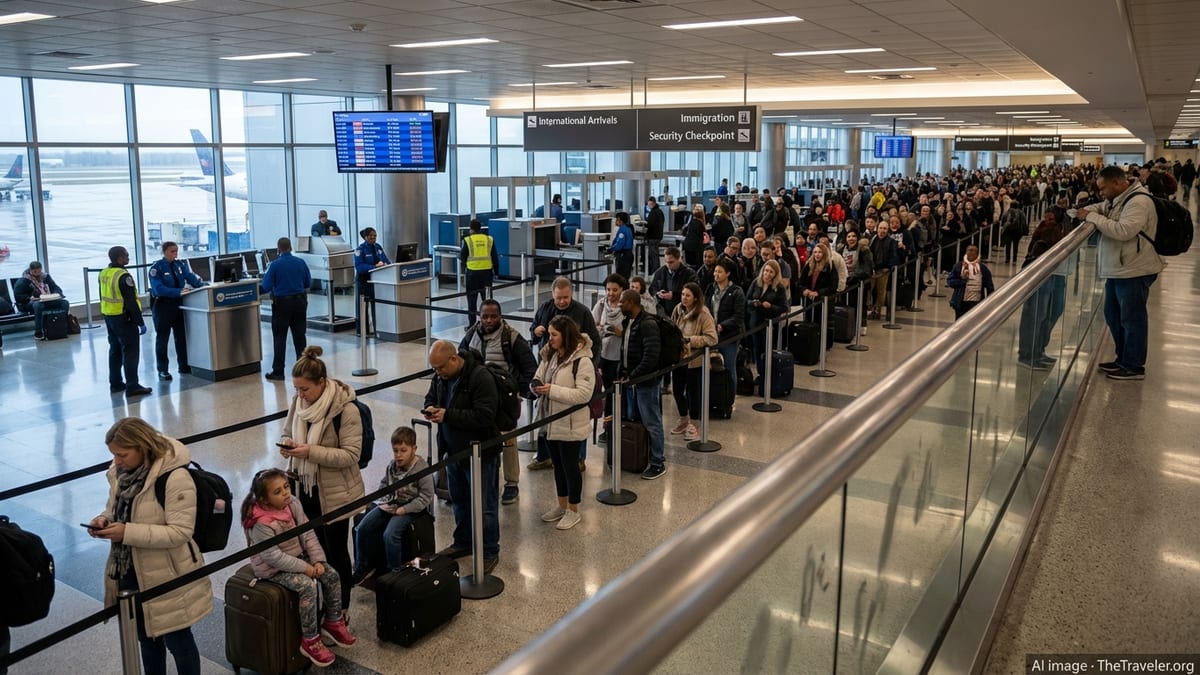
Oil and Jet Fuel Price Surge Hits Gulf Carriers
Oil and jet fuel prices have climbed sharply over the past year, increasing cost pressure on airlines that rely on the Gulf’s major hubs. Industry data compiled by the International Air Transport Association indicates that jet fuel’s share of global airline operating expenses has risen to more than 31 percent in 2026, up from about 25 percent the previous year, driven largely by higher crude benchmarks and refinery constraints.
Regional coverage shows that jet fuel prices in key trading hubs have in some cases more than doubled year on year, leaving airlines with limited room to absorb the impact. Reports focusing on Middle East aviation note that fuel now accounts for as much as 45 percent of total airline costs on some long haul operations, well above historic averages, particularly on routes that require extended flying time to avoid conflict zones.
Research on aviation cost pass through suggests that even moderate oil price increases quickly filter into ticket prices. Academic work on airline pricing dynamics has found that a 10 percent jump in fuel can translate into several percent increases in airfares, especially in markets with limited competition. This pattern is playing out across Gulf corridors, where a handful of large network carriers dominate long haul traffic.
Against this backdrop, Gulf airlines operating from Doha, Abu Dhabi and Dubai are facing similar input costs, but differences in network strategy and capacity deployment are leading to varying levels of ticket inflation across the three hubs.
Doha’s Position: Aligning Fares While Protecting Hub Status
Doha has been working to maintain its position as a competitive transfer hub, even as higher oil prices lift the cost base for Qatar’s flag carrier. Trade updates from the airline show periodic revisions to premium and economy fares, with adjustments scheduled into 2025 and beyond as fuel and broader operating expenses evolve. These changes indicate a gradual tightening of pricing rather than sudden across the board hikes.
Publicly available transport statistics from Qatar’s civil aviation authorities point to resilient passenger volumes through Hamad International Airport, suggesting that the hub continues to attract connecting traffic despite higher fares. Connectivity into Europe, Asia and Africa remains central to Doha’s strategy, allowing the carrier to spread fuel cost increases over dense long haul networks and a mix of premium and economy demand.
Regional analysts note that strong balance sheets and cash reserves among leading Gulf carriers provide a buffer against fuel volatility, at least in the short term. This has allowed Doha based operations to align with broader regional price trends while avoiding the steepest surcharges seen on some routes from other hubs. However, as fuel remains elevated, the room to shield passengers from further increases is narrowing.
At the same time, Doha’s role as a single airline dominated hub means that fare competition on many city pairs is limited. Passengers using Doha as a connecting point may find fewer low cost alternatives than in multi carrier markets, which could gradually constrain price sensitive tourism flows if fuel costs stay high.
Dubai and Abu Dhabi See Steeper Ticket Hikes
By contrast, travelers departing from Dubai and Abu Dhabi are already experiencing visible ticket increases on popular routes. Coverage from regional business media in mid 2026 highlights that airfares from the United Arab Emirates have risen by up to 30 percent during peak seasons compared with the previous year, driven by higher jet fuel prices, overlapping holiday periods and capacity constraints.
Reports focused on UAE travel trends describe how fuel surcharges and rerouting around restricted Middle East airspace have pushed up operational costs for carriers such as Emirates, Etihad and flydubai. Some long haul routes to Europe, North America and key Asian destinations have seen double digit percentage increases in economy class fares, especially for last minute bookings and school holiday departures.
Travel data cited in local coverage shows that summer fares from Abu Dhabi to cities like London, Barcelona and New York have remained significantly above pre conflict averages. Flights have in some cases been lengthened to avoid closed or risky air corridors, further inflating fuel burn per sector. Analysts quoted in these reports caution that such price levels may persist as long as oil and jet fuel benchmarks stay elevated and airspace restrictions remain in place.
Even with higher fares, demand through Dubai International and Abu Dhabi’s expanded terminal remains robust, supported by strong outbound leisure demand and continuing transit flows between Europe, Asia and Australasia. This combination of solid demand and rising costs has reinforced the upward pressure on ticket prices, with carriers passing on a substantial share of the fuel burden to passengers.
Tourism and Passenger Demand Under Growing Pressure
The alignment of higher oil costs, ticket inflation and route disruptions is beginning to weigh on tourism patterns across the Gulf. Industry commentary compiled by international and regional organizations suggests that global airline profitability in 2026 is being squeezed, with the Middle East experiencing a particularly sharp hit from fuel and conflict related factors. Forecasts point to world airfares rising faster than passenger demand growth as airlines attempt to recoup fuel expenses.
In the GCC, travel agents and fare tracking platforms referenced in regional coverage report that families and budget conscious travelers are adjusting plans in response to sustained high prices. Some travelers are shortening trips, shifting from long haul holidays to nearer regional destinations, or booking far earlier than before to avoid last minute spikes on Dubai and Abu Dhabi departures.
Such behavior changes may advantage hubs or carriers that can keep fare increases relatively contained. If ticket prices out of Dubai and Abu Dhabi rise more steeply than those via Doha on certain corridors, price sensitive tourists from Europe or Asia could increasingly route itineraries through Qatar’s capital, provided schedules and visa policies remain favorable.
At the same time, higher air travel costs are raising total trip budgets for inbound visitors to Gulf leisure destinations. Hospitality and retail operators across the UAE and Qatar are watching these trends closely, as a growing share of visitor spending risks being absorbed by transport rather than on the ground experiences.
Competitive Dynamics Among Gulf Hubs
As Doha, Abu Dhabi and Dubai all grapple with the same fuel shock, competitive positioning between the three hubs is becoming more acute. Published analysis of Gulf airline fleets shows that major carriers in Qatar and the UAE continue to operate high utilization, wide body heavy fleets, giving them the ability to reassign capacity and adjust frequencies to sustain load factors even in a higher fare environment.
Market observers point out that fare differentials between the hubs can influence routing choices at the margin, especially for travelers with flexible dates or airline preferences. If airlines based in Dubai and Abu Dhabi maintain higher fuel surcharges on selected routes, Doha could attract additional connecting traffic by aligning prices more closely with underlying demand and leveraging its modern hub infrastructure.
However, all three hubs are ultimately exposed to the same structural shift in fuel costs. International benchmarking and industry projections suggest that elevated jet fuel prices will likely persist for some time, particularly if geopolitical tensions in oil producing regions continue. That implies ongoing pressure on profit margins and limited scope for substantial fare reductions in the near term from any of the Gulf’s leading gateways.
For travelers, the result is a new normal of structurally higher ticket prices across much of the long haul network linking Doha, Abu Dhabi and Dubai with the rest of the world. How each hub calibrates its pricing, capacity and tourism strategies in response will shape regional travel flows in the seasons ahead.
IATA: Middle East disruptions and high fuel prices
Khaleej Times: Gulf airfares and fuel surcharge hikes