

More news on this day
Hong Kong has reached a key tourism milestone in 2026, recording 13.7 million visitor arrivals within the first months of the year, a symbolic benchmark that highlights the city’s accelerating recovery and signals a new phase of growth for one of Asia’s most dynamic travel hubs.
Get the latest news straight to your inbox!
Surging Arrivals Mark a New Phase of Recovery
Publicly available data and recent coverage indicate that Hong Kong’s inbound tourism has continued to gain momentum into 2026, building on the strong rebound of 2024 and 2025. The Hong Kong Tourism Board has reported that visitor arrivals in the first two months of 2026 alone approached 10 million, outpacing the previous year’s performance and setting the stage for the city to cross the 13.7 million mark early in the year.
The 13.7 million threshold has particular symbolic resonance for Hong Kong. It mirrors a landmark figure from the mid‑2000s, when 13.7 million arrivals in 2004 marked the beginning of a long upswing that eventually propelled the city into the ranks of the world’s most visited urban destinations. Crossing that level again in 2026 suggests that the post‑pandemic rebuilding phase is giving way to a more mature, structurally grounded recovery.
Forecasts referenced in regional media project that Hong Kong could welcome more than 50 million visitors in 2026 if the current growth trend holds, an increase on already robust 2025 totals. Analysts point out that while the headline numbers remain below the record highs prior to 2020, the current trajectory is steeper than many earlier projections, reflecting the combined effect of open borders, restored air capacity and a renewed push to reposition the city’s tourism offerings.
The speed of the rebound has also been underpinned by sustained growth through 2024 and 2025, when Hong Kong recorded tens of millions of visitor arrivals as cross‑border travel with mainland China normalised and long‑haul markets from North America, Europe and Australia gradually recovered. That foundation has allowed 2026 to begin from a much higher base than the previous two years.
From Volume to Value: Changing Visitor Profiles
Beneath the headline figure of 13.7 million visitors, the composition of arrivals is shifting in ways that are reshaping how growth translates into prosperity. Reports drawing on tourism board data show that while mainland Chinese travellers still account for a majority of visitors, growth rates among long‑haul markets have been particularly strong, aided by returning airline routes and targeted marketing campaigns.
Industry analyses published in 2025 highlighted an emerging “value‑focused” visitor profile, with travellers seeking more experiential stays and spending in a broader mix of neighbourhoods beyond traditional shopping corridors. Early indications in 2026 suggest this pattern is continuing, with higher participation in cultural, green and waterfront activities, as well as renewed demand for themed attractions, cruises and events tied to the arts and sports.
Hospitality and retail research released last year pointed to a shift from purely volume‑driven tourism to a model that emphasises longer stays and diversified spending. Average daily rates at hotels, for instance, have been influenced by more cost‑conscious regional visitors, yet higher‑spending long‑haul travellers and business guests are helping to stabilise overall revenue. This mix places a premium on service quality, distinctive experiences and integrated destination planning.
For local businesses, the 13.7 million visitor milestone is therefore not just a numerical achievement but also a signal that Hong Kong is attracting a more varied audience. Small and medium‑sized enterprises in food, culture and creative industries are increasingly seen as important beneficiaries of this evolving visitor base.
Infrastructure, Connectivity and Policy Support
Hong Kong’s ability to climb back to 13.7 million tourists in 2026 is closely tied to decisions taken over the past two years on connectivity and infrastructure. Official documents and public briefings have highlighted the expansion of Individual Visit Scheme coverage for mainland cities, the resumption of multiple‑entry permits for Shenzhen residents and the launch of new high‑speed and sleeper train links connecting Hong Kong with major mainland hubs.
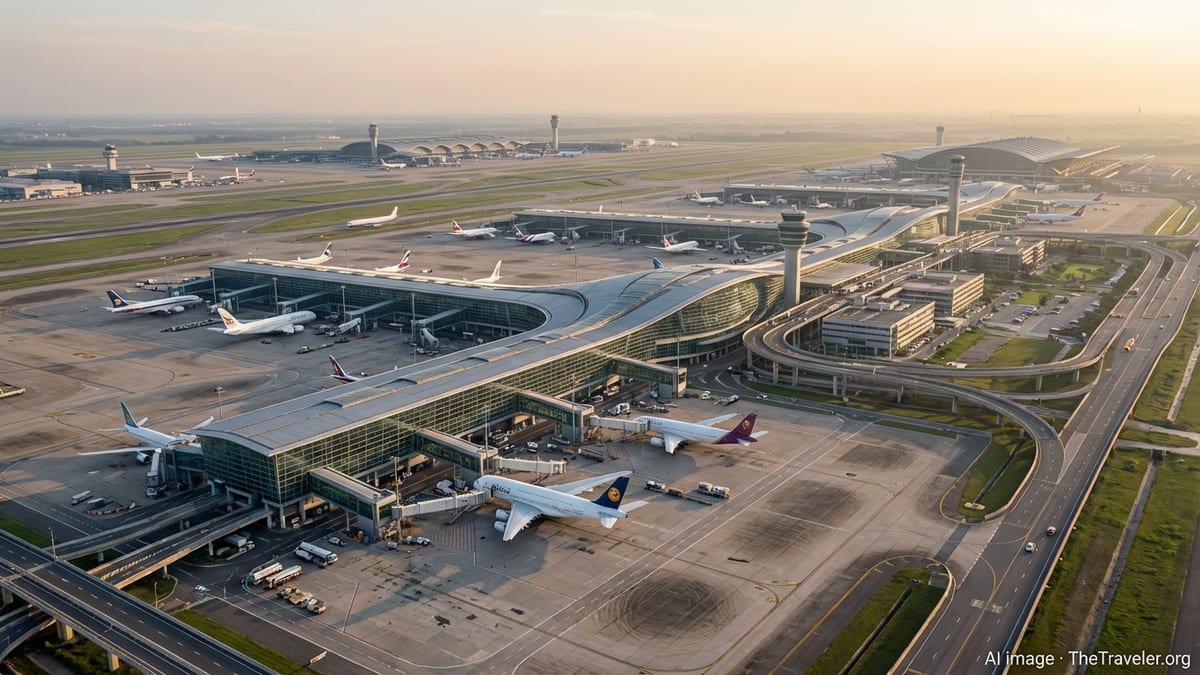
These cross‑boundary measures have lowered the friction of short‑haul travel, helping to restore the steady flow of day‑trippers and weekend visitors that traditionally fed Hong Kong’s retail and dining sectors. At the same time, the gradual restoration of international flight capacity through Hong Kong International Airport has supported the return of long‑haul tourism and strengthened the city’s role as a regional gateway.
On the infrastructure side, continued investment in harbourfront enhancements, upgrades to major transport interchanges and revitalisation projects in historic districts have added to the city’s appeal. Large‑scale events during the Lunar New Year period, such as parades, light shows and cultural festivals, were widely covered as early catalysts for 2026’s strong visitor numbers.
Policy support has also extended to the meetings, incentives, conferences and exhibitions segment, with new promotional efforts aimed at attracting international events. This segment is viewed as a key driver of higher‑yield tourism, bringing in business travellers who often extend their stays for leisure and contribute to spending in accommodation, dining and entertainment.
Economic Impact Across Retail, Hospitality and Services
The tourism surge reflected in the 13.7 million visitor milestone is feeding through to multiple layers of Hong Kong’s economy. Observers tracking the sector note that hotel occupancy has tightened, particularly in core districts on Hong Kong Island and Kowloon, while average room rates have stabilised after earlier price‑driven competition.
Retail data released throughout 2025 suggested a complex picture, with overall sales recovering more slowly than visitor numbers because of currency movements and changing consumer behaviour. However, niche categories such as experiential retail, dining, wellness and entertainment have shown more resilient growth, aligning with the shift towards experience‑driven travel identified by market research firms.
Restaurants, bars and attractions in popular tourist areas have reported improving patronage as visitor flows return, while neighbourhoods that cater to both residents and tourists are benefiting from a mix of local and overseas demand. The spillover effects are also being felt in transport, logistics, professional services and the gig economy, where increased activity has created more opportunities for part‑time and flexible work.
Economists following Hong Kong’s recovery argue that tourism, while no longer the sole engine of growth, remains a crucial pillar in reinforcing confidence, supporting small businesses and amplifying the city’s role as a services hub for the Greater Bay Area and wider Asia‑Pacific region.
Opportunities and Challenges in a Competitive Regional Landscape
Despite the optimism surrounding the 13.7 million visitor benchmark, Hong Kong faces an increasingly competitive environment as other Asian destinations court many of the same travellers. Neighbouring cities have stepped up marketing campaigns, eased entry requirements and invested heavily in new attractions, leading analysts to caution that Hong Kong cannot rely solely on its historic brand strength.
Commentary in regional and local outlets points to several structural challenges that could shape the next stage of growth. These include currency headwinds affecting spending power, the pull of lower‑cost shopping and leisure options in nearby cities, and the need to balance large visitor volumes with quality of life for residents. Concerns around crowd management, transport congestion and environmental impact are likely to remain central topics in public discussion.
At the same time, the city’s renewed visitor momentum opens space for innovation. Stakeholders in tourism and urban planning circles are increasingly focused on developing new cultural districts, enhancing green tourism offerings in outlying islands and country parks, and deepening partnerships across the Greater Bay Area to create multi‑destination itineraries.
As Hong Kong moves beyond the 13.7 million visitor milestone in 2026, the central question is not only how many travellers the city can attract, but how effectively it can convert that flow into sustainable prosperity. The answer will depend on how well it can differentiate its experiences, manage growth and maintain its reputation as a safe, efficient and globally connected city in an evolving travel landscape.