

Hong Kong has a reputation for being one of Asia’s most expensive city breaks, but the reality on the ground is more nuanced. Prices have climbed since borders fully reopened and hotel taxes were reinstated, yet an efficient transit system and abundant casual eateries still make it possible to experience the city on a range of budgets. Understanding typical daily costs for food, hotels and transport will help you decide how much to set aside and where to save or splurge.
How Expensive Is Hong Kong Right Now?
Travel costs in Hong Kong have shifted noticeably since 2023, driven by a rebound in tourism, higher operating costs and a revived hotel accommodation tax. Mid-range hotel rates have risen compared with the pre-pandemic era, and premium properties in core districts now command some of the highest nightly prices in the region. At the same time, everyday expenses such as local eateries and public transport remain competitive by global city standards, particularly if you pay in Hong Kong dollars with a contactless card or Octopus stored-value card.
For a typical visitor in 2025 and early 2026, a realistic total daily budget ranges from about HK$700 to HK$1,200 for frugal travelers who choose hostels and street food, up to HK$1,800 to HK$3,000 or more for those staying in comfortable hotels and dining at mid-range restaurants. Very high-end stays and fine dining can push costs well beyond this, but most leisure visitors fall somewhere in the middle. The biggest variable is accommodation, followed by how often you opt for sit-down meals or international restaurants rather than local canteens.
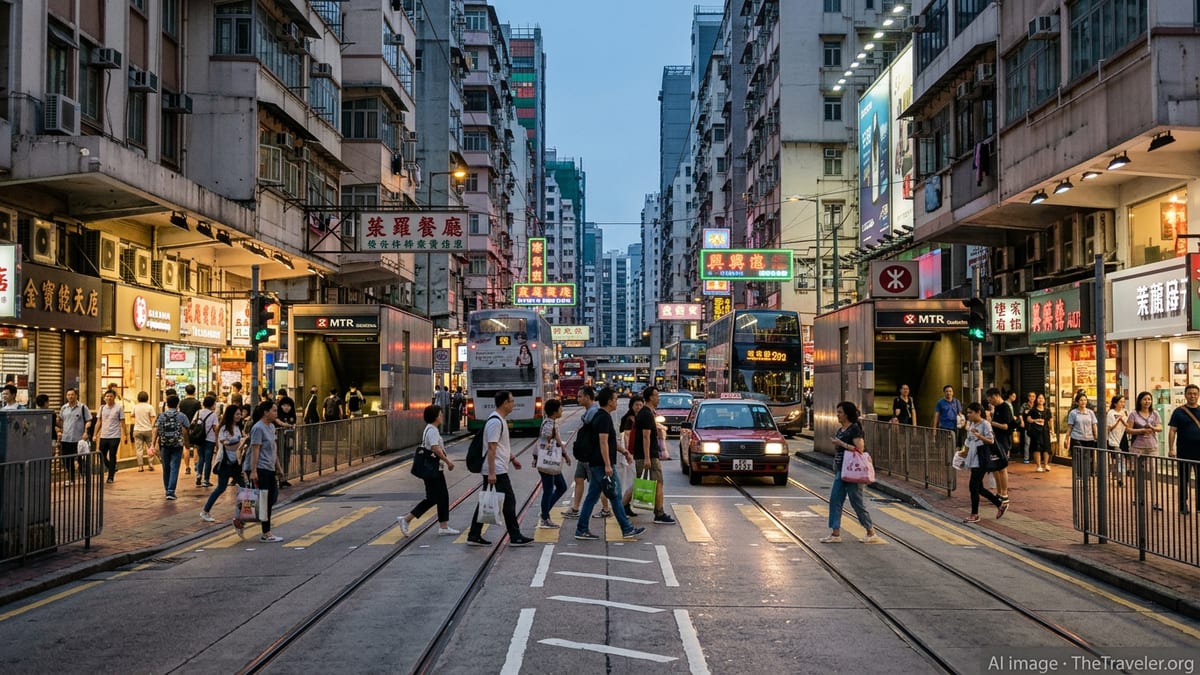
Transit, by contrast, is relatively predictable and affordable. Most visitors rely on the city’s rail and bus network, which covers virtually all major sights. A typical sightseeing day built around the MTR and buses might cost less than a single airport transfer by taxi or premium express train. This means that once you have arrived from the airport and checked in, your daily spending is shaped far more by where you sleep and what you eat than by how you move around.
Currency fluctuations also matter. Hotel statistics and recent rate surveys suggest that an average standard hotel room now often hovers around the four-figure mark in Hong Kong dollars per night, while hostels and simple guesthouses remain the most effective way to trim your budget. When converting back into US dollars or euros, remember that Hong Kong’s currency is pegged to the US dollar within a tight band, so prices quoted in local dollars stay broadly stable when translated into American terms.
Accommodation: What You Can Expect to Pay Per Night
Accommodation will almost certainly be your largest single expense in Hong Kong. Recent industry reports indicate that average hotel rooms in 2025 are often priced around HK$1,000 per night for standard categories, with 4-star properties averaging roughly the low hundreds of US dollars and 5-star hotels running substantially higher in core districts such as Central, Admiralty and Tsim Sha Tsui. Promotional rates, weekday discounts and shoulder seasons can bring nightly prices down, but it is wise to assume that central, convenient hotels will not be cheap.
For a budget traveler, dorm beds in hostels and very simple guesthouses in areas such as Mong Kok, Yau Ma Tei or Causeway Bay typically start from the low hundreds of Hong Kong dollars per night, with some shared dorms and compact private rooms advertised around the HK$200 to HK$400 mark depending on the season. These rooms are often small and basic but include air conditioning and Wi-Fi, which are essential in Hong Kong’s humid climate. Staying slightly farther from the harbourfront or main luxury shopping streets can significantly reduce nightly costs without adding much travel time thanks to the dense transit network.
Mid-range travelers who want a private ensuite room in a reputable 3- or 4-star hotel should budget in the range of roughly HK$900 to HK$1,500 per night in many parts of Kowloon and on Hong Kong Island. During festivals, trade fairs and Chinese public holidays, rates can spike well above these figures, particularly in hotels that cater to business visitors or group tours. Checking whether your dates coincide with major events can help you understand why prices are suddenly higher and whether shifting your stay by a day or two may deliver savings.
At the upper end, international 5-star brands and design-led luxury hotels frequently charge several thousand Hong Kong dollars per night, particularly for harbour-view rooms. Industry commentary points out that average nightly rates for premium properties rose in 2024 after the city reinstated a hotel room tax, and while occasional packages soften the blow, Hong Kong’s most prestigious addresses are firmly in the splurge category. If you choose this level of comfort, your daily budget will be dominated by accommodation rather than food or transport.
Food Costs: From Street Eats to Sit-Down Dining
Food is one area where your daily budget is highly flexible. Hong Kong offers everything from wallet-friendly noodle shops and bakery chains to multi-course tasting menus in Michelin-starred dining rooms. For travelers willing to eat like a local at least some of the time, daily meal costs can remain surprisingly modest despite the city’s high overall price reputation.
Recent local and visitor reports suggest that a quick breakfast at a bakery or local café can often cost around HK$30 to HK$40 for items such as buns, congee or simple set meals including a hot drink. Popular local chains serving rice plates, noodle soups and Hong Kong-style café dishes frequently price mains in the range of roughly HK$40 to HK$80, depending on the location and whether you choose add-ons such as drinks or extra dishes. In busy areas like Mong Kok or Wan Chai, street food snacks or simple takeaway meals may be even more affordable, particularly at traditional markets and cooked food centers.
For lunch or dinner in an inexpensive local restaurant, budgeting roughly HK$60 to HK$100 per person is usually adequate for a filling meal that might include rice or noodles, a main dish and a drink. Visitors who seek out famous dim sum halls, modern bistros or international mid-range restaurants should allow more, often somewhere in the HK$120 to HK$250 per person range depending on portion sizes, alcohol orders and service charges. Service charges of around 10 percent are common in sit-down restaurants, so factor this into your calculations when comparing sticker prices.
If you enjoy high-end dining, Hong Kong offers some of Asia’s most lauded tasting menus, with prices that can easily exceed HK$1,000 per person before drinks. For most travelers, these experiences are occasional splurges rather than everyday meals, but they can quickly inflate a daily budget if you indulge often. A more balanced approach is to mix simple breakfasts and casual lunches with one or two memorable dinners, which keeps your overall food spending in check while still allowing you to sample the city’s culinary highlights.
Transit: The Real Cost of Getting Around
Once you have arrived and checked in, local transport is unlikely to dominate your budget. Hong Kong’s transit system is extensive and generally good value, especially when using an Octopus stored-value card to tap into the MTR, buses, light rail and ferries. Base fares on many urban bus and MTR journeys start in the single-digit Hong Kong dollar range and rise with distance, but typical short city hops rarely exceed a few tens of dollars per trip.
Recent fare tables and local commentary indicate that a typical short MTR ride might cost under HK$10 with Octopus, while moderate cross-city journeys within the main urban area often land somewhere around HK$15 to HK$25. Buses can be even cheaper for some routes, though travel times may be longer depending on traffic. Classic double-decker trams on Hong Kong Island remain one of the city’s transport bargains, with flat fares generally just a few Hong Kong dollars regardless of distance, making them both an atmospheric and economical option for short hops.
For most visitors, a realistic daily transport budget within the city itself is roughly HK$40 to HK$80 per person if you are mainly using MTR and buses for sightseeing. On days when you pack in multiple attractions scattered across the territory, or take special services such as the Peak Tram or outlying island ferries, that figure can climb into the low hundreds of Hong Kong dollars. Even so, compared with what you might spend on meals or a mid-range hotel room, everyday transit costs remain a relatively small share of the daily total.
Taxis are widely available and are reasonably priced compared with many Western cities, making them a useful backup for late nights or when traveling in a group with luggage. Short urban taxi rides often cost in the tens of Hong Kong dollars, while cross-harbour or longer suburban journeys cost more. Ride-hailing services that connect to licensed taxis also operate, giving visitors additional options if public transport is crowded or if you are returning to your hotel after the last train of the night.
Airport Transfers and One-Off Transport Costs
Where many first-time visitors feel the cost of Hong Kong’s transport most keenly is in airport transfers. The dedicated Airport Express rail link is fast, comfortable and frequent, but it is priced as a premium service. After fare adjustments in 2025, single adult rides between the airport and central urban stations typically sit in the low hundreds of Hong Kong dollars, depending on whether you travel to Hong Kong, Kowloon or Tsing Yi station and whether you use an Octopus card or a specific ticket. Promotional group tickets and occasional discounts can significantly reduce the per-person cost, especially for pairs or families traveling together.
Travelers on tighter budgets often opt for airport buses, which serve many major districts at a fraction of the price of the dedicated express train. Typical fares for these buses are usually measured in tens rather than hundreds of Hong Kong dollars, though journey times are longer and subject to traffic. Some visitors choose a hybrid approach, combining buses with MTR lines to reduce costs while still maintaining reasonable travel times to and from their accommodation.
Taxis from Hong Kong International Airport into key districts such as Central, Tsim Sha Tsui or Mong Kok cost more than buses or regular trains but may be competitive for groups of three or four people sharing a single vehicle. The final fare depends on distance, tolls and traffic conditions, but is generally in the mid-hundreds of Hong Kong dollars for central urban destinations. When comparing airport transfer options, think about your arrival time, luggage load and energy level in addition to pure cost, since a direct taxi or express train can sometimes justify its premium after a long-haul flight.
Aside from airport transfers, other one-off transport costs include trips to theme parks such as Hong Kong Disneyland or Ocean Park, as well as ferries to outlying islands like Lamma or Cheung Chau. Theme park tickets are significant line items on any sightseeing budget and are best thought of as separate from your daily transit costs, while ferries to nearby islands are usually affordable but should still be factored into your plans on excursion days.
Sample Daily Budgets: Shoestring to Comfortable
To translate these price ranges into concrete planning, it helps to sketch out sample daily budgets. Keep in mind that these are illustrative rather than prescriptive, and actual costs will vary based on when you travel, your hotel choice and your personal spending habits. All figures below exclude flights and major attraction tickets such as theme parks, which can vary widely.
A frugal backpacker staying in a dormitory or basic guesthouse might target a daily budget of around HK$700 to HK$1,000. In this scenario, accommodation could be roughly HK$250 to HK$400 per night, food about HK$150 to HK$250 if you rely heavily on bakeries, local canteens and street food, and city transport perhaps HK$40 to HK$80. That leaves some room for occasional entrance fees, small treats or a more substantial meal every few days, as long as you keep an eye on discretionary spending such as shopping and nightlife.
A mid-range traveler who values a private hotel room and a mix of casual and sit-down meals might plan for around HK$1,200 to HK$1,800 per day. Accommodation could account for HK$900 to HK$1,400 of that total in many neighborhoods, with food costs around HK$250 to HK$400 if you enjoy at least one proper restaurant meal per day. Transport costs in this scenario remain modest, rarely exceeding HK$80 to HK$100 on typical sightseeing days, leaving some budget for attraction tickets and occasional splurges.
At the comfortable or upscale end, a traveler staying in a quality 4- or 5-star hotel in prime locations and dining frequently at mid-range to upscale restaurants might easily spend HK$2,500 to HK$4,000 or more per day. In this bracket, hotel rates can consume HK$1,800 to several thousand Hong Kong dollars per night, with food and drink adding HK$500 or more daily, especially if you order cocktails or wine. Transport is still a small proportion of the total, though frequent use of taxis or private transfers will increase costs compared with relying on the MTR and buses.
Money-Saving Strategies That Do Not Hurt the Experience
Controlling costs in Hong Kong does not have to mean missing out on what makes the city memorable. One of the simplest strategies is to separate where you sleep from where you spend most of your time. Choosing a slightly less central hotel in a neighborhood well served by the MTR, such as Mong Kok, North Point or Tin Hau, can significantly lower nightly rates, while you still enjoy easy access to the harbourfront, shopping districts and major attractions.
Another effective tactic is to focus your food spending where it adds the most value. Many visitors find that Hong Kong’s inexpensive cha chaan teng cafés, dai pai dong-style eateries and local chains provide satisfying breakfasts and lunches at modest prices, freeing up more of the budget for an occasional special dinner. Street-level bakeries are excellent for quick snacks or light meals, and convenience stores can help with drinks or simple items without resorting to hotel minibars.
On the transport side, picking up an Octopus card shortly after arrival streamlines payments and often provides small savings compared with single-journey tickets, especially on the MTR. Planning your daily sightseeing to cluster attractions by district can also cut down on unnecessary backtracking and extra trips. When you do need a taxi, sharing it among two or three people often makes the cost per person comparable to or only slightly higher than public transport, particularly late at night when trains are less frequent.
Finally, consider the timing of your trip. Hotel rates in Hong Kong are highly sensitive to major trade fairs, regional holidays and large-scale events. Visiting in shoulder seasons, avoiding the busiest convention weeks and being flexible with your arrival and departure dates can all translate directly into lower nightly rates, thereby easing your overall daily budget without requiring major sacrifices in comfort or activities.
The Takeaway
Hong Kong in 2025 and early 2026 is neither a bargain destination nor uniformly out of reach. Instead, it is a city where smart choices about accommodation, food and transit can stretch your budget surprisingly far, while impulsive decisions in those same categories can quickly inflate daily costs. Understanding the typical price ranges for hotel rooms, everyday meals and common modes of transport will help you set a realistic baseline before you book.
For many visitors, the key is to decide where you most want to allocate your spending. If a harbour-view room in a luxury hotel has long been on your wish list, you may accept higher overall daily costs and economize elsewhere. If your priority is to explore neighborhoods, markets and hiking trails, you can comfortably stay in simpler lodgings and focus your budget on food, occasional taxis and attraction tickets. In all cases, public transport, local eateries and flexible travel dates remain powerful tools to keep costs manageable.
With thoughtful planning and clear priorities, Hong Kong can reward both budget-conscious backpackers and comfort-seeking couples. By working through sample daily budgets and factoring in realistic hotel, food and transit costs, you can arrive with confidence, avoid unpleasant surprises and focus on experiencing the city’s dynamic skyline, vivid street life and extraordinary food scene rather than worrying about every dollar.
FAQ
Q1. How much should I budget per day for a trip to Hong Kong?
For most travelers, a realistic daily budget excluding flights ranges from about HK$700 to HK$1,000 for backpackers, HK$1,200 to HK$1,800 for mid-range comfort, and HK$2,500 or more for upscale stays and frequent dining out.
Q2. What is a typical price for a hotel room per night in Hong Kong?
Average standard hotel rooms often fall around HK$1,000 per night, with budget guesthouses and hostels in the low hundreds and central 4- and 5-star hotels running into the several-thousand-Hong-Kong-dollar range during busy periods.
Q3. How much do meals cost in Hong Kong for a budget traveler?
A budget traveler eating mainly at bakeries, local canteens and street stalls might spend around HK$150 to HK$250 per day on food, assuming simple breakfasts and two modest main meals.
Q4. What should I expect to pay for a mid-range restaurant meal?
In many mid-range restaurants, a sit-down lunch or dinner typically costs somewhere around HK$120 to HK$250 per person, depending on the neighborhood, dishes ordered and whether drinks and service charges are included.
Q5. How much does public transport cost per day for sightseeing?
If you rely primarily on the MTR, buses and trams, a typical sightseeing day usually totals around HK$40 to HK$80 per person, rising on days when you add extra trips, special services or longer excursions.
Q6. Are airport transfers in Hong Kong expensive?
Premium options such as the Airport Express train cost in the low hundreds of Hong Kong dollars each way, while airport buses are considerably cheaper and taxis from the airport to central districts generally fall in the mid-hundreds of Hong Kong dollars.
Q7. Is it cheaper to use an Octopus card than buying single tickets?
Using an Octopus card usually offers small savings and greater convenience compared with single-journey tickets on the MTR and many buses, and it helps you avoid handling cash for each ride.
Q8. How much should couples budget per day in Hong Kong?
A couple staying in a comfortable mid-range hotel and mixing local eateries with some restaurant meals might plan on roughly HK$2,000 to HK$3,000 per day in total, not counting flights and major attractions.
Q9. Can I visit Hong Kong on a tight budget?
Yes, it is possible by choosing hostels or basic guesthouses, eating primarily at inexpensive local spots, using public transport and limiting paid attractions, though you should still allow several hundred Hong Kong dollars per day for essentials.
Q10. Which costs increase the total budget the most in Hong Kong?
Accommodation and dining at mid-range or high-end restaurants have the biggest impact on your daily budget, while everyday public transport typically represents only a modest share of total trip spending.