

More news on this day
Passengers traveling between Honolulu and the US mainland are facing mounting disruption as delays, cancellations, and equipment issues at Daniel K. Inouye International Airport create knock-on effects at major hubs across the country.
Get the latest news straight to your inbox!
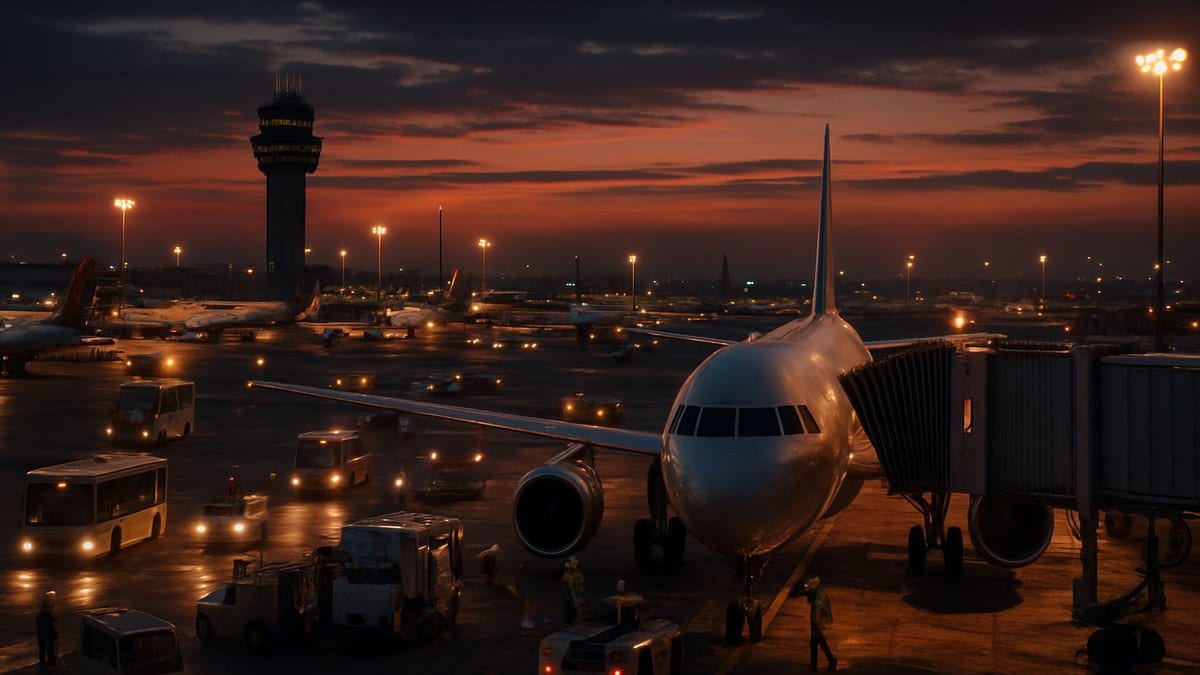
Operational strains at Honolulu trigger cascading delays
Recent disruption patterns show Honolulu’s Daniel K. Inouye International Airport functioning as a flashpoint in a wider web of mainland flight problems. Publicly available flight-tracking data and traveler reports point to a series of delayed and canceled departures on key transpacific routes, including services to Los Angeles, San Francisco, and other West Coast gateways.
Irregular operations in Honolulu are intersecting with already strained airline networks. Schedule data for early April indicates that carriers are operating tight rotations on long-haul widebody aircraft linking Honolulu to the mainland, leaving little slack when a single flight runs late or returns to the gate for technical or security reasons. When one sector is disrupted, subsequent flights departing the mainland are often delayed as aircraft and crews fail to arrive on time.
In some instances, flights between Honolulu and the mainland have experienced extended ground holds while aircraft are inspected, crews are reassigned, or connecting passengers are rebooked. These delays have contributed to missed connections at hub airports and a growing backlog of travelers attempting to reposition between Hawaii and key mainland cities.
Airline network data and recent schedules suggest that as fleets are rebalanced ahead of the busy summer period, Hawaii routes are competing with other high-demand markets for aircraft and crew. This environment increases the likelihood that any disruption in Honolulu can rapidly spread across multiple domestic and international routes.
Mainland hubs feel the impact of Honolulu disruptions
The effects of Honolulu’s operational issues are increasingly visible at major mainland airports. Published coverage from aviation and travel outlets in mid-April highlights widespread delays and cancellations at hubs such as Los Angeles and San Francisco, with Honolulu frequently listed among impacted destinations.
At Los Angeles International Airport, recent reports describe dozens of delayed flights and a series of cancellations affecting connections to Honolulu and other West Coast and intercontinental routes. These disruptions are not solely caused by Hawaii operations, but Honolulu services are an important part of the congested traffic flow through the Southern California hub.
Similar strain is evident in California’s Bay Area, where San Francisco-bound travelers from Hawaii have faced rolling schedule changes. Schedule boards in early April show Honolulu flights arriving behind schedule, complicating onward travel to cities across the Mountain West, Midwest, and East Coast. Passengers attempting to connect from Honolulu to destinations such as Denver, Chicago, or New York often find themselves rebooked onto later departures or routed through alternative hubs.
Further inland, major connecting airports including Atlanta, Chicago, and New York have reported elevated levels of delay and cancellation activity linked to broader US network pressures. Honolulu-bound and Honolulu-originating passengers who rely on these hubs for connections are discovering that a disruption on one side of the Pacific can easily snowball into an unplanned overnight stay on the other.
Weather, staffing, and system changes create a volatile mix
The current bout of travel turmoil is unfolding against a backdrop of lingering winter-weather knock-ons, staffing challenges, and significant structural changes in the Hawaii aviation market. In March, severe weather systems affecting the islands and parts of the mainland prompted travel waivers from major US carriers, allowing passengers with Honolulu itineraries to rebook, indicating the scale of operational concern.
At the same time, federal throughput data and local accounts describe periods of heavier-than-usual screening lines at Honolulu, particularly during peak departure banks. Travelers have reported variable experiences, with some clearing security quickly and others facing unexpectedly long waits during stormy weather and staffing shortages. Such variability can compress boarding times and force last-minute holds when aircraft are not loaded on schedule.
Industry updates also point to behind-the-scenes transitions that are adding complexity. Hawaiian Airlines is moving through a multi-stage integration with Alaska Airlines, including a shift to a unified passenger service system in April 2026. Public information about the transition suggests that while most changes are occurring in the background, reservation and check-in quirks, staffing adjustments, and shifting schedules are contributing to a fragile operating environment in Honolulu during the changeover period.
These elements, combined with persistent pilot and maintenance staffing pressures seen across the US airline sector, have created conditions where even routine mechanical checks or minor weather deviations can trigger multi-hour delays on Honolulu routes. Once disruptions begin, tightly packed schedules and limited spare aircraft operating to and from the islands make a rapid recovery difficult.
Travelers report long holds, missed connections, and re-routes
Recent traveler accounts posted publicly in forums and social channels offer a ground-level view of the turmoil. Passengers describe extended waits on the tarmac in Honolulu, late-night departures after multiple rolling delays, and re-routes that send them through alternative hubs in order to reach or leave the islands.
Several accounts reference crew time-out rules, where flight attendants or pilots reach regulatory duty limits after prolonged delays, forcing airlines to reschedule flights or source replacement crews. In the Honolulu context, this can be particularly challenging, as spare crews are not always available locally and may have to be flown in from the mainland.
Other travelers recount arriving from mainland cities such as Salt Lake City or Los Angeles only to miss onward connections within Hawaii due to late arrivals into Honolulu. Some have highlighted confusion around codeshare and interline arrangements during the Hawaiian and Alaska integration period, noting difficulties checking in online and obtaining boarding passes for Honolulu legs until reaching the airport.
While individual experiences vary, the cumulative picture underscores how a single delay at Honolulu can reverberate through a traveler’s entire itinerary, stranding passengers overnight or forcing last-minute changes to vacation plans, business trips, and family visits.
What Honolulu-bound passengers should do now
With the spring travel season approaching its peak, aviation analysts and consumer advocates are urging Honolulu-bound passengers to treat flights to and from Hawaii as particularly sensitive to wider US network strain. Public guidance from travel specialists emphasizes building extra time into itineraries, especially when connecting from Honolulu to another mainland destination on the same day.
Travel planning advice circulating among frequent flyers recommends avoiding very tight connections at major hubs when flying from Honolulu, and considering overnight stops on the mainland for long-haul journeys. Some seasoned travelers suggest scheduling Honolulu departures earlier in the day, when there is typically more room in the schedule to recover from minor disruptions.
Consumer information from the US Department of Transportation highlights that passengers on domestic US flights, including those linking Honolulu with mainland cities, retain refund rights when flights are significantly delayed or canceled. Travelers are increasingly encouraged to familiarize themselves with airline policies, track flight status proactively, and make use of mobile apps to rebook quickly if schedules unravel.
As airlines work to stabilize operations and complete system transitions affecting the Hawaii market, Honolulu is likely to remain a critical pressure point in the wider US air travel network. For now, passengers heading to or from the islands are advised to plan conservatively, monitor conditions closely, and be prepared for itineraries that may take longer, and involve more connections, than originally expected.