


More news on this day
Under Chongqing’s neon skyline and humid night air, a new kind of visitor is arriving in the mountain city: fans and weekend athletes chasing the buzz of China’s grassroots “Yu BA” basketball scene alongside hotpot, river views, and steep-street exploration.
Get the latest news straight to your inbox!
A Local League With National Buzz
The term “Yu BA” borrows Chongqing’s traditional short name “Yu” and echoes the professional CBA, but it refers to a looser ecosystem of city and village amateur basketball tournaments that use Bayu slang, local music, and neighborhood courts as their stage. Publicly available coverage in Chinese media shows that these leagues have spread across western China and now feature prominently in Chongqing’s annual calendar of mass sports events.
While the best-known grassroots phenomenon nationally has been the “Village BA” movement, recent tournaments in Chongqing’s Yunyang County and surrounding Bayu rural areas demonstrate how the region is adapting that model to local conditions. Events are increasingly framed as part of agricultural and cultural consumption seasons, blending basketball with harvest fairs, folk performances, and specialty food markets in river-valley towns and terraced villages.
In urban districts, Chongqing’s version of Yu BA is closely tied to the city’s after-hours identity. Games are often scheduled in the evening, when summer heat eases and commuters pour into riverside parks and hilltop squares. The same steep stairways and skybridges that have long drawn photographers now also funnel fans toward temporary grandstands, snack stalls, and pop-up fan zones set up around outdoor courts.
Reports on China’s wider sports-tourism market suggest that basketball is emerging as one of the sports with the broadest public participation. Against that backdrop, Yu BA gives Chongqing a distinctly local brand within a national trend, turning what might once have been a neighborhood pastime into a new reason for travelers to add the city to their itineraries.
From Mountain Backdrop to Center Court
Chongqing’s long-time nickname “mountain city” is more than a marketing phrase. Plateaus cut by deep river gorges, stacked residential blocks, and cliff-side rail lines create dramatic vertical scenery that now doubles as a backdrop for outdoor hoops. Tourism profiles of Chongqing highlight attractions such as the Twelve Views of Bayu and river confluences; Yu BA events are increasingly staged within sight of these iconic vistas, making courtside photos instantly recognizable on social media.
Municipal planning documents and local news coverage point to a broader strategy of placing sports events directly inside scenic areas and busy commercial blocks. Recent calendars have highlighted street basketball carnivals, cross-country challenges, cycling races, and figure skating competitions arranged in or near tourism zones, from canyon-like urban streets to highland grasslands in Wulong and Hongchiba. Yu BA games fit this pattern by activating neighborhood squares, schoolyards, and district sports parks that sit alongside existing tourism flows.
For visitors, that integration means a basketball night can slot naturally between more traditional sightseeing. Travelers can ride a cable car across the Yangtze in the afternoon, sample hotpot in a hillside alley, and then follow the sound of music and crowd noise to a Yu BA fixture nearby. The compact, climbed-by-stairs nature of many neighborhoods encourages spontaneous discovery of pick-up games and amateur leagues that are not yet heavily commercialized.
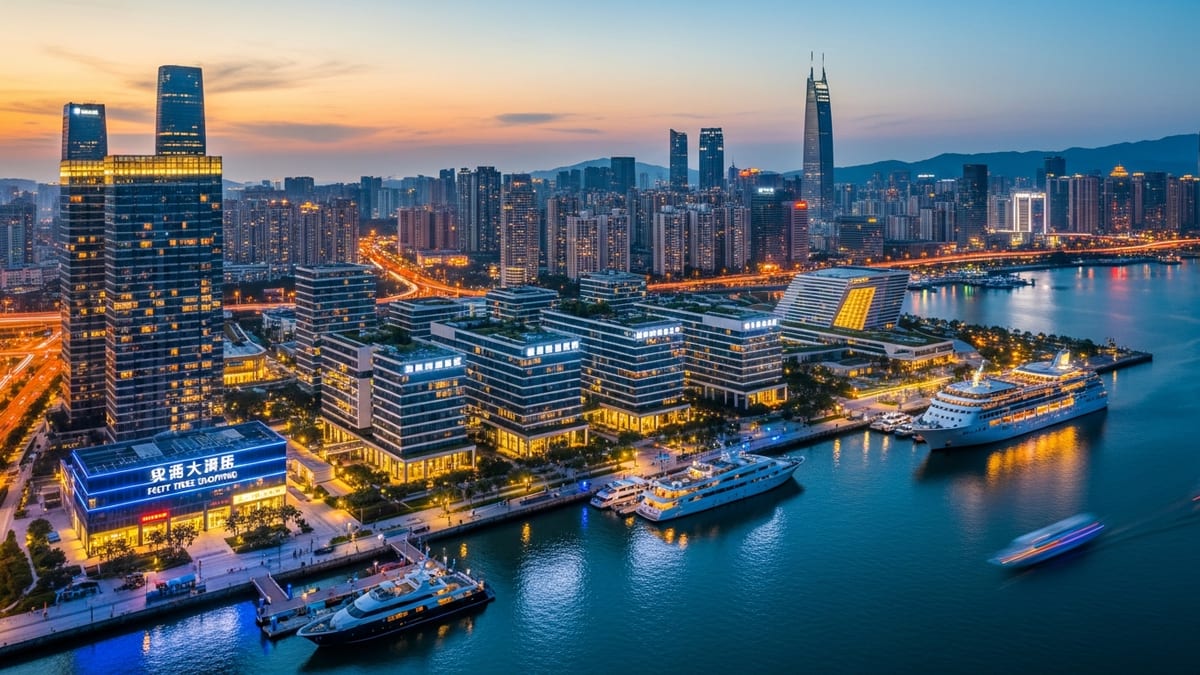
This physical layout also helps content travel far beyond the city. Drone shots of brightly lit courts perched above expressways or tucked under monorail tracks, shared through domestic video platforms, have become part of Chongqing’s visual identity. Yu BA action framed by the city’s nightscape offers an easily shareable package that combines sport and destination marketing in a single clip.
Grassroots Hoops, Rural Festivals, and New Visitor Flows
Outside the dense urban core, Yu BA-style tournaments are being folded into seasonal festivals that seek to raise the profile of lesser-known counties. Recent coverage of the Bayu Rural Agricultural, Sports, Cultural and Tourism Consumption Season in Yunyang, for example, highlighted a rural basketball competition as the anchor attraction for a harvest-themed program of markets and performances.
These kinds of events mirror national experiments with “Village BA” in other provinces, where basketball has been used to extend visitor stays, increase local spending on food and accommodation, and create new cultural touchpoints. Research on sports tourism in the Chengdu-Chongqing region indicates that smaller destinations benefit when they can attach their own narratives and products to widely understood sports formats.
In Chongqing’s case, that often means positioning village courts against a landscape of terraced fields, misty gorges, and traditional stilted houses. Tournaments are timed to coincide with agricultural milestones or holiday periods, attracting family groups who might otherwise only visit for a day trip. The presence of traveling fans, content creators, and amateur players adds further demand for homestays and local transport.
Local reports suggest that these rural sports festivals support a broader pattern of rising holiday visitation and spending in Chongqing, where tourism authorities have already recorded multi-billion-yuan revenues during peak periods such as the Dragon Boat Festival and New Year holidays. By embedding basketball into that cycle, Yu BA gives rural counties a repeatable, relatively low-cost tool to keep visitors returning.
Policy Tailwinds and the Chengdu-Chongqing Sports Corridor
The rise of Yu BA in Chongqing aligns with national efforts to link sports, culture, and tourism. In 2024, China’s sports and tourism agencies jointly encouraged cities to place more events inside scenic spots and commercial districts, part of a wider push to make mass sports a driver of domestic consumption. Chongqing has responded with a packed annual schedule that now includes marathons, street basketball carnivals, international figure skating, cycling races, and hiking challenges.
Academic studies of the Chengdu-Chongqing region describe it as one of China’s most promising clusters for sports tourism, noting rich natural resources, improving transport links, and a large urban population. These analyses highlight basketball among the sports with particularly high levels of public participation, suggesting that amateur leagues are a crucial bridge between policy goals and on-the-ground engagement.
Cross-provincial cooperation is sharpening that edge. Joint initiatives between Sichuan and Chongqing, branded with slogans that combine Bashan mountains and Shu rivers, promote integrated routes where travelers can combine events in multiple cities. Football city leagues, trail races, and table tennis tournaments are already marketed as part of a regional portfolio. Yu BA tournaments give Chongqing a culturally distinctive entry in that lineup, rooted in Bayu dialect and street culture.
This corridor approach means that a fan traveling for a professional game or major tournament in Chengdu can more easily add a side trip to Chongqing to experience grassroots basketball in a dramatically different urban setting. For a region competing for domestic and, increasingly, international visitors, that diversity of sports experiences is a key selling point.
From Viral Clips to Sustainable Sports-Tourism Capital
Commentary in Chinese business and policy media has raised a recurring question about grassroots sports phenomena: how to convert short-lived online attention into lasting tourism value. Yu BA’s evolution in Chongqing offers some clues. By tying amateur leagues to recurring festivals, scenic venues, and recognizable city branding, organizers are gradually shifting from one-off spectacles to calendar fixtures that travelers can plan around.
There are signs that this is starting to influence how visitors experience the city. Questions from foreign travelers on online forums increasingly mention live sports, especially basketball and football, alongside familiar Chongqing highlights such as night views and hotpot. At the same time, the spread of courtside merchandise, food stalls, and locally branded fan gear indicates a growing commercial ecosystem around Yu BA events.
Researchers who track China’s sports tourism market estimate that the sector already accounts for hundreds of billions of dollars in global spending, with basketball playing a growing role in key markets including China. Chongqing’s approach suggests that cities can tap into that demand not only by hosting elite competitions, but also by elevating the everyday culture of play in lanes, villages, and neighborhood parks.
If current momentum continues, Yu BA may become one of the clearest examples of how a city can use amateur sport to define its global tourism image. In Chongqing, the sight of a packed hilltop court echoing with Bayu cheers is starting to sit alongside cable cars, river cruises, and hotpot as a signature experience for visitors intent on seeing how contemporary China lives, competes, and celebrates.