

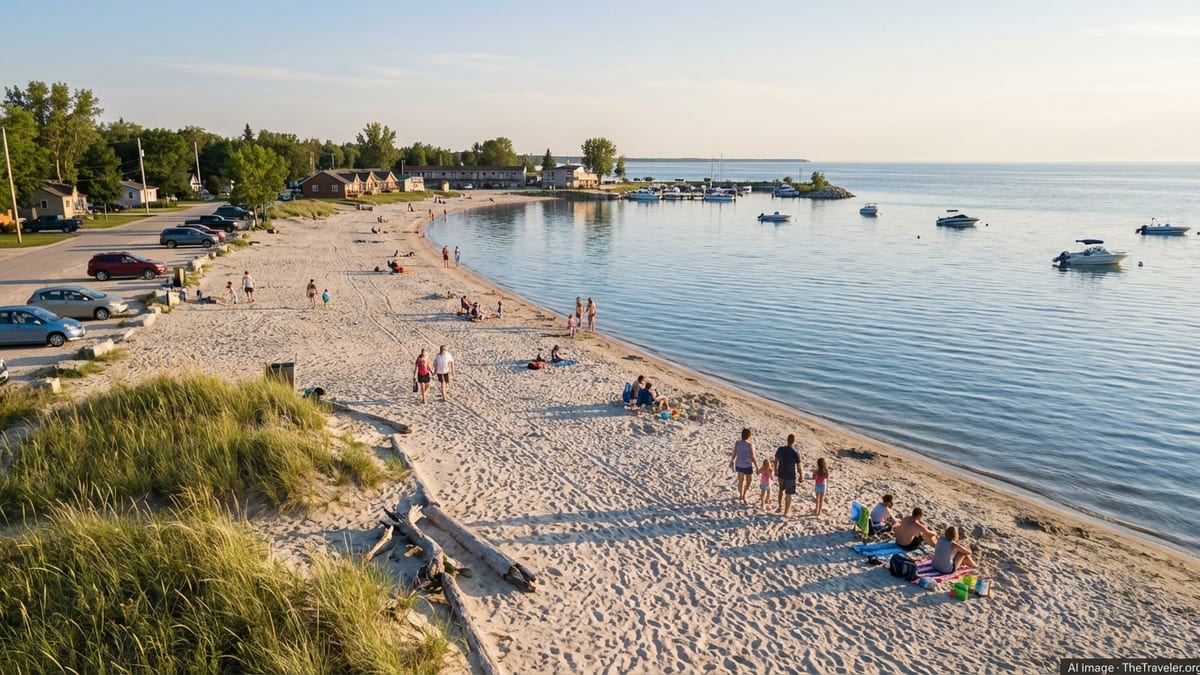
Stretching more than 400 kilometres across Manitoba, Lake Winnipeg offers big-sky beaches, quiet fishing villages and easy access from the city of Winnipeg. For many travellers the core question is simple: how expensive is it to actually visit? While prices fluctuate by season and location, Lake Winnipeg can be an accessible freshwater escape if you understand the main cost drivers and plan accordingly. This guide walks through real-world expenses for transportation, accommodation, camping, food and activities so you can build a realistic budget before you go.
Understanding the Lake Winnipeg Region and Seasons
Lake Winnipeg is one of the largest freshwater lakes in North America, with most visitor services clustered around the south basin near Winnipeg Beach, Gimli and Grand Beach, and in smaller communities and provincial parks along the west and east shores. Many travellers base themselves in the city of Winnipeg and drive one to three hours to lakeside towns or campgrounds, which keeps trip costs closely tied to fuel prices and city hotel rates rather than to isolated-resort pricing.
The main cost variable is timing. High season runs from late June through August when school holidays, warm water and long daylight hours attract local and out-of-province visitors. During this period, hotels and vacation rentals in beach towns often price at their highest levels and book out well in advance. Shoulder seasons in May, early June and September are substantially quieter and typically cheaper, with lower nightly rates, more last-minute availability and fewer minimum-stay requirements.
Winter brings a different rhythm. Ice fishing, snowmobiling and northern lights viewing mean that some lodges, motels and cabins stay open, but many seasonal businesses close. You may find moderate accommodation rates but should budget for higher heating and gear costs, and factor in that dining and activity options are more limited in smaller communities once the summer crowds depart.
Because Lake Winnipeg is framed by provincial parks and small towns rather than large private resorts, many major trip costs remain relatively modest compared with well-known coastal destinations. Park access and camping fees are regulated, and the presence of independent motels and municipal campgrounds helps keep average nightly prices competitive, especially outside peak summer weekends.
Transportation Costs to and Around Lake Winnipeg
Most visitors reach Lake Winnipeg by air to Winnipeg and then by road. For international and out-of-province travellers, the largest transport cost is often the flight, which varies widely by origin and season. Once in Winnipeg, the lake’s southern destinations are within roughly one to two hours by car, so local transport costs are usually manageable if you plan carefully and travel in a small group.
Car rental prices at Winnipeg’s airport fluctuate but are broadly in line with other mid-sized Canadian cities. A compact or economy car typically costs a moderate daily rate before taxes and insurance, with higher prices during summer holidays and long weekends. Fuel is an important budget item because distances around the lake add up quickly: it is roughly 80 to 100 kilometres from central Winnipeg to popular south-basin spots such as Winnipeg Beach or Gimli, and longer drives are required to reach Hecla-Grindstone Provincial Park or communities on the east side. Sharing a vehicle between two to four people usually brings per-person daily transport costs down significantly.
Public transit options directly to lakeside communities are limited. Some regional bus services connect Winnipeg with larger towns in Manitoba, but schedules can be infrequent and may not line up well with beach-going plans. In practice, most visitors who want flexibility for day trips, grocery runs and exploring multiple beaches budget for a rental car or use their own vehicle. This also makes it easier to reach more affordable accommodation further from the busiest strips, where nightly prices can be lower.
Within the lake communities themselves, local transport costs tend to be low. Beach towns are compact enough to explore on foot or by bicycle, and parking is often free or inexpensive outside the most crowded summer weekends. You may encounter small parking fees at popular provincial park beaches, but these are usually modest compared with urban parking rates, and during the current free-entry period to provincial parks vehicle access is temporarily less of a cost concern than in previous years.
Accommodation: Hotels, Motels and Cabins
Accommodation is likely to be your single largest expense at Lake Winnipeg if you are not camping. In nearby Winnipeg, where many travellers spend a night before or after heading to the lake, recent estimates suggest that mid-range hotel rooms average under two hundred US dollars per night, with budget options often below that level. This tends to be somewhat cheaper than comparable accommodation in major United States cities, which can help offset flight or long-drive costs.
Around the lake itself, accommodation choices include small lakeside motels, independent hotels, seasonal resorts and self-catered cabins or cottages. Nightly prices vary by exact location and time of year, but a basic lakeside motel room in a smaller community can often be found at rates that are moderate by Canadian standards, especially outside peak summer weekends. Motels and inns right on popular beaches, or with amenities such as pools and on-site restaurants, typically charge more, particularly in July and August.
Cabins and vacation rentals are widely available in communities such as Gimli, Winnipeg Beach and Hecla, as well as in smaller cottage areas along the shoreline. Nightly rates range from budget-friendly older cabins a short walk from the water to premium modern lakefront homes that command much higher prices and often require multi-night minimum stays. Travelling with family or friends can make a multi-bedroom rental cost-effective, as the per-person nightly cost may fall well below that of separate hotel rooms, especially when you use the kitchen to self-cater meals.
It is worth remembering that taxes and fees add up. Provincial and federal sales taxes together add a noticeable percentage to hotel and cabin rates, and some properties in and around Winnipeg also levy a local destination marketing fee. Cleaning charges, pet fees, and higher weekend pricing can all push the real nightly cost above the base rate advertised. For accurate budgeting, travellers should assume their final bill for accommodation will run at least 10 to 15 percent higher than the initial room rate once taxes and mandatory fees are included.
Camping, Park Fees and Budget Options
For budget-conscious travellers, camping can substantially lower the overall cost of a Lake Winnipeg holiday. Manitoba’s provincial park system includes campgrounds at or near many lakeside destinations, including Grand Beach, Hecla-Grindstone, Camp Morton and Winnipeg Beach. Official fee schedules show that nightly camping charges are generally modest by North American standards, with prices varying by campsite type and access to services such as electricity, water and full hookups.
Recent provincial information indicates that basic unserviced campsites typically range from a little over ten Canadian dollars per night to the low twenties, while serviced sites with electricity or water and electricity span roughly the mid-teens to mid-twenties per night. Full-service sites, which may include sewer hookups in addition to power and water, tend to sit in the low-to-mid-twenties per night. These ranges can vary slightly by campground, location and season, but they provide a realistic baseline for budgeting.
Comfort camping units, such as yurts and small cabins within certain provincial parks near the lake, come at higher nightly rates but still under typical hotel prices in many cases. For example, recent fee listings for comfort camping in nearby parks show nightly charges often in the range of several dozen Canadian dollars, with premium cabins at popular sites costing somewhat more. For travellers who do not own a full set of camping gear, these units offer a middle ground between tent camping and hotels, reducing equipment costs while keeping nightly accommodation expenses relatively low.
Another advantage for visitors planning trips between April 2025 and March 2026 is that the Manitoba government has temporarily waived vehicle entry fees for all provincial parks for a full year. Under normal circumstances, visitors would pay for a daily, multiday or annual vehicle permit to access park facilities, beaches and trailheads, which adds a modest but noticeable cost to repeated visits. During the free-entry period, only camping and accommodation fees apply, making park-based stays around Lake Winnipeg more affordable than in previous years. Travellers visiting after that period should expect some form of vehicle permit charges to return and should check current fee schedules before arrival.
Food, Groceries and Everyday Spending
Daily food costs around Lake Winnipeg depend largely on how often you dine out versus self-cater. In the city of Winnipeg, travellers can find a full range of options from inexpensive fast food and ethnic eateries to mid-range restaurants and higher-end dining, with prices similar to other mid-sized Canadian cities. As you move into smaller lake communities, casual restaurants, pubs and takeout spots remain available, but choices are fewer and may be more seasonal, with some venues only open during the summer months.
Eating out in lakeside towns typically costs slightly more than in the city for comparable dishes, reflecting the smaller scale and seasonal nature of operations. A sit-down meal at a casual restaurant in places such as Gimli or Winnipeg Beach will usually run at a moderate price point for a main dish and non-alcoholic drink, with higher costs for fresh lake fish, specialty items or alcohol. Family-run diners, fish-and-chips stands and ice cream shops provide more budget-friendly options, particularly at lunchtime.
Self-catering is the key to keeping Lake Winnipeg trips affordable, especially for longer stays or larger groups. Supermarkets and large grocery stores are easily accessible in Winnipeg, and smaller grocery shops and co-ops exist in many lakeside communities, although prices can be somewhat higher for some items. Stocking up on staples in the city before driving to your cabin, motel or campsite usually keeps per-meal costs low, particularly if your accommodation includes a kitchen or shared cooking facilities.
Travellers should also plan for incidental spending. Coffee, snacks, sunscreen, firewood, ice, parking, laundromat use and small entry fees for attractions or local events can add an extra amount per person per day. While none of these individual costs are high, failing to account for them can push a seemingly modest daily budget beyond what you expected, especially if you are travelling with children who gravitate toward treats and souvenirs.
Activities, Excursions and Hidden Costs
One of the reasons Lake Winnipeg can be a relatively affordable destination is that many core activities cost little or nothing beyond basic transport and accommodation. Beach access, swimming, hiking and simple lakefront strolls in provincial parks are effectively free once you have paid any applicable camping or vehicle fees. During the current free-entry period, visitors enjoying provincial park beaches and trails avoid vehicle permit costs entirely, making casual day trips from Winnipeg particularly inexpensive.
Paid activities around the lake include boat and equipment rentals, guided fishing trips, sailing charters and occasional cultural or historical tours in communities such as Gimli. Rental prices for kayaks, canoes, stand-up paddleboards and small motorboats vary by operator and by the length of hire, but you can expect hourly and daily rates that reflect a short warm-weather season and high summer demand. Splitting the cost between several people or opting for shorter rental windows can make these experiences more budget-friendly.
Fishing enthusiasts should include licence fees, bait and gear rental or purchase in their plans. Manitoba’s freshwater fishing licences are priced in tiers depending on residency and length of validity; while not prohibitive, they are an additional cost that can surprise visitors accustomed to different systems elsewhere. In winter, guided ice fishing packages that include heated shacks, gear and transportation on the ice can be significantly more expensive than summer shore fishing, though often still reasonable compared with guided experiences in more remote northern regions.
Hidden or easily overlooked costs include travel insurance, mobile roaming charges, currency exchange spreads when converting from United States dollars to Canadian dollars, and service tips in restaurants or on tours. Visitors driving their own vehicles should also account for wear and tear, potential tolls on the drive to Manitoba, and higher fuel consumption on rural highways, especially if towing boats or trailers. Factoring these items into your budget reduces the risk of cost overruns on what is otherwise an affordable freshwater escape.
Sample Budgets for Different Travel Styles
Because prices vary with exchange rates, fuel costs and personal preferences, any budget for Lake Winnipeg should be treated as approximate rather than fixed. That said, it is possible to sketch typical daily spending ranges for different styles of travel, assuming two adults sharing costs and travelling during the main summer season.
A low-budget camping trip might involve driving your own car from Winnipeg or a nearby province, staying in a basic provincial park campsite, cooking most meals and limiting paid activities. In this scenario, per-person daily costs might cover a modest share of fuel, a low nightly camping fee, inexpensive groceries and occasional small treats or fees, keeping total spending relatively low. This kind of trip appeals to travellers who prioritise nature and simplicity over comfort and are prepared to bring or borrow camping gear.
A mid-range lakeside getaway might combine a motel or simple cabin in a community such as Winnipeg Beach or Gimli, mixed restaurant and home-cooked meals, and a few paid activities such as a half-day boat rental, museum visit or festival entry. Daily per-person costs in this category rise to reflect accommodation that is priced well above camping but below resort levels, plus higher food spending. This is often the sweet spot for couples and families looking for comfort and convenience without splurging on luxury resorts.
At the higher end, a group renting a modern lakefront home, hiring fishing guides, booking multiple watercraft rentals and dining out most evenings can easily reach daily budgets that rival coastal resort destinations, although still often below the most expensive international beach spots. In this tier, the main cost drivers are the nightly price of premium accommodation and the cumulative effect of repeated paid excursions. Travellers with flexible dates can sometimes reduce these expenses by avoiding the busiest holiday weekends and seeking shoulder-season bargains.
The Takeaway
Visiting Lake Winnipeg is rarely as expensive as flying to a tropical beach resort, but costs can still climb quickly if you favour peak-season travel, premium accommodation and frequent paid activities. The overall affordability of a trip is shaped most strongly by where you stay, whether you camp or book hotels or cabins, how often you eat out, and how far you travel by car.
For many visitors, Lake Winnipeg represents a good value destination, particularly given Manitoba’s relatively low camping fees, the current year of free entry to provincial parks and the presence of independent motels and cabins that keep nightly rates competitive. With thoughtful planning, even travellers on modest budgets can enjoy the lake’s long sandy beaches, fishing villages and big prairie skies without overspending.
Building a realistic budget means acknowledging taxes and fees, researching current accommodation and rental prices before you book, and deciding in advance where you are willing to spend more for comfort or experiences. Whether you pitch a tent at a provincial park, rent a simple cabin in a lakeside town or settle into a lakefront home with friends, Lake Winnipeg offers a spectrum of choices that can be tailored to many different wallets.
FAQ
Q1. Is visiting Lake Winnipeg generally expensive compared with other Canadian lake destinations?
Visiting Lake Winnipeg is often moderately priced compared with more famous Canadian resort lakes. Accommodation and camping costs are usually lower than in heavily touristed mountain regions, though peak-summer prices in popular beach towns can still be significant.
Q2. How much should I budget per day for a basic Lake Winnipeg camping trip?
For a simple camping trip, many travellers can keep daily costs relatively low by staying in provincial park campgrounds, sharing fuel expenses, cooking their own meals and focusing on free activities such as beach time and hiking.
Q3. Are hotels around Lake Winnipeg cheaper than in Winnipeg itself?
It depends on the season and location. Basic motels in smaller lake communities can sometimes undercut city hotel rates, but popular lakeside properties in July and August may be similar in price or even higher than mid-range hotels in Winnipeg.
Q4. Do I need to pay park entry fees to access Lake Winnipeg beaches?
Under normal conditions, a vehicle permit is required for Manitoba provincial parks, which include several Lake Winnipeg beaches. However, there is a current one-year period when vehicle entry fees are waived, so visitors should check the latest provincial information before travelling.
Q5. Is it cheaper to rent a cabin or stay in a hotel at Lake Winnipeg?
Cabins can be more economical than hotels if you are travelling as a family or group and use the kitchen to self-cater, spreading the nightly cost across several people. Solo travellers or couples may find simple motel rooms or small hotel rooms more cost-effective.
Q6. When is the most affordable time of year to visit Lake Winnipeg?
Shoulder seasons in late spring and early autumn are generally cheaper than July and August. Accommodation prices tend to dip, availability improves and some operators offer off-peak deals, though weather can be cooler and some services operate on reduced hours.
Q7. How expensive are food and groceries near Lake Winnipeg?
Groceries in Manitoba are broadly comparable to other Canadian provinces, though smaller lakeside shops can be slightly more expensive than big-city supermarkets. Eating out a few times per day will raise your budget quickly, so many visitors cook most meals and dine out occasionally.
Q8. Are activities like boat rentals and fishing tours costly on Lake Winnipeg?
Boat rentals and guided fishing trips can be among the pricier elements of a Lake Winnipeg holiday, reflecting seasonal demand and equipment costs. Sharing rentals between several people, choosing shorter outings and mixing free activities with paid ones can keep overall spending in check.
Q9. Do I need a car to keep costs reasonable at Lake Winnipeg?
Having a car is highly useful for reaching beaches, campgrounds and small towns, and it often reduces costs because you can stay in more affordable locations and shop at larger grocery stores. Without a car, you may have to rely on limited regional transport and higher-priced accommodations within walking distance of services.
Q10. What hidden costs do visitors to Lake Winnipeg often forget to budget for?
Travellers commonly overlook taxes on accommodation, park vehicle permits outside the current free-entry period, tips, travel insurance, fishing licences, parking, firewood, mobile roaming charges and exchange rate differences when paying in Canadian dollars.