

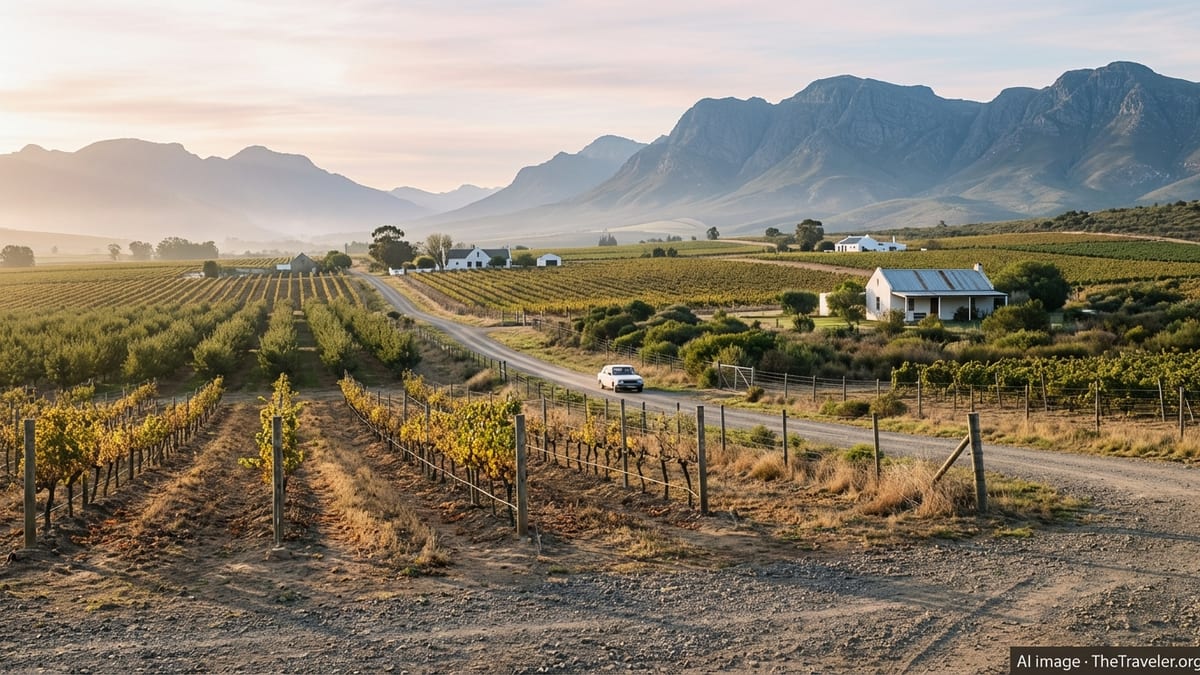
Set between vineyards, orchards and rugged mountains, Wolseley in South Africa’s Western Cape feels far removed from big-city bustle. Yet for many international travelers, the key question before detouring into this quiet valley is simple: how much will it really cost. With the South African rand sitting at roughly 16 to 1 against the US dollar in February 2026, Wolseley offers notable value, especially compared with major European or North American wine regions. This guide unpacks what you can expect to spend on accommodation, food, transport and activities, and how to plan a realistic budget for a stay in Wolseley.
Understanding Wolseley’s Location and Overall Price Level
Wolseley is a small farming town in the Witzenberg region of the Western Cape, roughly 90 minutes by road from Cape Town and close to better-known destinations such as Tulbagh and Ceres. It sits within the broader Cape Winelands, but has a more rural, less polished feel than Stellenbosch or Franschhoek. That character is reflected in prices. Travelers typically find day to day costs lower here than in South Africa’s main urban and resort hubs, while still enjoying the scenery, wine and outdoor activities that draw visitors to the region.
South Africa overall remains relatively affordable for visitors earning in stronger currencies. In late February 2026, 1 US dollar buys roughly 16 South African rand. That exchange rate can move, sometimes sharply, but for now it keeps essentials such as food, fuel and local transport accessible for overseas visitors. Wolseley does not have the same level of luxury infrastructure as some coastal destinations, which also keeps average prices modest. Instead, the area focuses on farm stays, camping, self catering cottages and family run guesthouses.
Travelers should approach any cost estimate with some flexibility. Local fuel prices, electricity costs and seasonal demand all feed into what accommodation providers and tour operators charge. High season around South African school holidays and the summer months from November to March brings higher occupancy and slightly elevated rates. Shoulder seasons in spring and autumn can be excellent value, especially midweek. Building a buffer into your budget for exchange rate shifts and seasonal variations will help avoid surprises once you arrive.
Accommodation Costs: From Camping Pitches to Wine Farm Cottages
Accommodation will usually be your largest single expense in Wolseley, but it is also where the region offers strong value. The area around town is dotted with working farms that have diversified into tourism, offering everything from rustic caravan and camping sites on the Breede River to fully equipped self catering cottages among vineyards and orchards. Official tourism listings for Wolseley show a mix of properties, including Fynbos Guest Farm, Bass Haven, Batis & Bass, Fraaigelegen Farm Cottages and other small-scale stays aimed at couples, families and groups.
At the budget end, basic riverbank or farm campsites with access to shared ablutions and braai facilities tend to be among the most affordable options in the Cape Winelands. While exact nightly rates vary by season and site, these typically fall into an entry level bracket for South African camping, especially if you bring your own tent or caravan. For international visitors paying in dollars or euros, this can mean very low per-night costs, particularly when shared among several people. The trade off is simpler amenities and the need for your own vehicle and camping gear.
Mid range travelers usually gravitate toward self catering farm cottages, often sleeping two to four people, sometimes more. In Wolseley, cottages on wine and olive farms or mixed agricultural properties usually provide full kitchens, indoor fireplaces, outdoor braai areas and views over dams, vineyards or mountains. Many are priced below comparable accommodation in better known wine valleys, with nightly rates that become especially attractive when split between couples or small groups. Short term rental platforms also feature cottages and houses around Wolseley, such as wine farm stays with private outdoor baths or verandas, positioned for couples seeking a quiet retreat.
At the upper end of the local market, there are more luxurious farmhouses, guest suites and wedding oriented venues with landscaped gardens, pools and on site restaurants. While still inexpensive compared with high end resorts near Cape Town or on the Garden Route, these properties are pitched at special occasions. Prices climb during peak wedding season and holiday periods, and minimum stay requirements are common over weekends. If your budget is tight, you can often enjoy the same rural setting by booking simpler nearby accommodation and visiting estate restaurants or tasting rooms during the day instead of staying overnight on the most expensive properties.
Food, Drink and Everyday Expenses
Food costs in Wolseley are shaped by its identity as a farming community. Many ingredients are grown or produced nearby, and the town itself offers casual restaurants, coffee shops and pubs rather than upscale fine dining. Visitors can expect to pay less for meals here than in central Cape Town or coastal tourist hot spots, especially if they lean into local, unpretentious venues and self catering. On wine farms, bistros and restaurants often serve seasonal menus that showcase regional produce at prices that are moderate by international standards.
For self catering travelers, local supermarkets, farm stalls and weekend markets help keep costs in check. Stocking up on basics in town and cooking at your cottage can reduce daily food spending considerably. Essentials such as bread, eggs, seasonal fruit and vegetables, basic meat cuts and local dairy tend to be good value in rand terms. Imported goods, branded snacks and specialty items are relatively more expensive, so focusing on local products is usually easier on your wallet and more sustainable for regional producers.
Alcohol prices are another area where foreign visitors often notice the impact of the exchange rate. Wolseley forms part of the Cape Winelands and Route 62 network, and several nearby estates produce organic and boutique wines. Buying wine directly from the cellar door or at local shops can be significantly cheaper than equivalent quality bottles in North America or Western Europe. By contrast, imported spirits and premium international beers track closer to global prices. Tipping in restaurants and bars follows South African norms, with around 10 to 15 percent customary for good service, so factor this into your meal budgets.
Day to day incidentals such as coffee, pastries, light lunches and takeaway items should feel reasonably priced compared with many major cities. Still, the total can add up if you are stopping frequently at cafes or ordering multi course meals with drinks. A useful budgeting approach is to plan for one main restaurant meal per day and keep breakfast and some lunches simple and self catered. This also allows more flexibility for spontaneous wine tastings or farm visits without overshooting your expected daily spend.
Transport, Getting Around and Hidden Travel Costs
Most visitors reach Wolseley by rental car from Cape Town International Airport. That initial decision has a strong impact on your overall budget. South Africa has a reasonably competitive car rental market, but prices vary depending on vehicle size, insurance coverage and season. Compact cars are often good value in rand terms, and the favorable exchange rate can help offset the cost for foreign travelers. However, you should budget for fuel, tolls on some regional roads and potential one way rental fees if you are not returning to Cape Town.
Fuel prices in South Africa move with global oil markets and domestic regulations, so it is worth checking current pump prices shortly before your trip. Driving distances in the Witzenberg valley are relatively short, with Wolseley situated about 15 minutes from Tulbagh and Ceres, so your overall fuel consumption during a stay focused on this region may be modest. The cost of reaching Wolseley, though, can be higher if you combine it with longer drives along Route 62, the Garden Route or to other provinces. Travelers relying heavily on private transfers or guided tours rather than self drive should expect their transport line item to increase noticeably.
Once in Wolseley, you will have limited public transport options. The area is not served by a dense network of buses or rail suitable for casual visitors, and ride hailing coverage can be patchy compared with larger cities. This makes private vehicles, whether rented or arranged through local operators, almost essential for exploring farm roads, wine estates, trailheads and nearby towns. The upside is that parking is usually free or inexpensive, and traffic volumes are low compared with urban South Africa. Make sure to factor navigation data, mobile connectivity and occasional gravel roads into your planning, particularly if you prefer not to drive at night.
Hidden or easily overlooked costs can include comprehensive rental insurance, cross border coverage if you plan to combine Wolseley with neighboring countries, and the price of activities that require transfers, such as guided horse riding or ziplining. Travelers should also plan for potential load shedding, the rolling power outages that can affect parts of South Africa. While less of a direct monetary cost, this can influence your comfort and reliance on battery packs or gas powered cooking. Booking accommodation that clearly explains its approach to power cuts, whether through backup systems or alternative lighting, can help avoid unplanned spending on last minute gear.
Activities, Wine Tasting and Outdoor Adventures
Wolseley’s main attraction is its landscape. The town is framed by mountain ranges and river valleys that lend themselves to hiking, mountain biking, birdwatching and scenic drives. Many of these experiences cost little beyond fuel and perhaps a modest access fee or permit, making the region attractive for cost conscious travelers. Trails on private farms may carry small usage charges or be restricted to guests, but some accommodation providers include routes on or near their properties at no extra cost, particularly for walking or non technical mountain biking.
Water based activities on the Breede River, such as kayaking, fishing and swimming at designated spots, also tend to be affordably priced where equipment rental is required. Riverbank campsites and cottages often provide direct access, so visitors with their own gear can keep expenses minimal. Outdoor attractions like farm animal encounters, small petting zoos or short horse rides may be available on family oriented farms, typically charged at locally reasonable rates. These experiences are often informal and seasonal, which means advance booking is useful but not always mandatory outside of peak holiday periods.
Wine tasting is a central part of the appeal around Wolseley and the broader Cape Winelands. Estate policies vary, but tasting fees are often moderate by international standards and may be refunded against a bottle purchase. Organic and boutique producers in the valley usually emphasize low key, personal experiences rather than large group tours. This keeps the feel intimate and can provide good value for visitors interested in both the wines and the stories behind them. Remember that transporting wine home can incur checked baggage or shipping costs, which should be considered if you plan to buy in volume.
More structured adventure activities, such as zipline tours near Ceres, guided horse trails in the Witzenberg Valley, or specialized mountain bike experiences, occupy the higher end of the local activity price spectrum. They require equipment, qualified guides and safety infrastructure, and are priced accordingly, though still often below similar offerings in Europe or North America. Booking directly with local operators or through your accommodation can sometimes yield package rates or multi activity discounts. When planning a budget, decide which paid activities are priorities and which scenic experiences you can enjoy independently at lower cost.
When to Visit and How Seasonality Affects Prices
The cost of visiting Wolseley shifts throughout the year in line with South African seasons, school holidays and wedding calendars. The warm, dry months from late spring through early autumn, roughly October to March, are generally considered high season in the Cape Winelands. During this period, farm stays are busy with both domestic and international travelers, and wedding venues may be fully booked on weekends. Accommodation prices can rise, availability tightens and minimum stay requirements are more common. Activities tied to fruit harvests or summer outdoor events also concentrate in these months.
Shoulder seasons in April to May and September can offer a sweet spot between pleasant weather and softer prices. Daytime temperatures are comfortable, the surrounding mountains often look striking after seasonal rains and vineyards display changing colors. Accommodation providers may run midweek specials or reduced rates compared with peak summer, particularly for longer stays. For travelers focused on hiking, scenic drives and wine tasting rather than swimming, these months can deliver similar experiences for less money.
Winter in the Western Cape runs roughly from June to August, bringing cooler temperatures, more frequent rain and occasional snow on higher mountain peaks. Wolseley sees quieter visitor numbers in this period outside of specific events or school holidays. Many self catering cottages have fireplaces and cozy indoor spaces designed for this season, and nightly rates may drop accordingly. Running costs for accommodation, such as heating and maintenance, can limit how far prices fall, but off peak promotions are common. Travelers who do not mind shorter days and cooler weather can find some of the best accommodation deals at this time.
In addition to weather driven seasonality, you should consider South African public and school holidays, as well as local events and festivals. Long weekends and busy holiday weeks see surges in domestic travel, often from Cape Town and nearby towns. Demand spikes for family friendly farm stays, larger houses and campsites, which can drive up prices and reduce last minute availability. Checking holiday calendars and event listings when planning your trip will help you avoid unexpected premiums or, if you want to be part of the buzz, budget for higher rates.
Money, Safety and Practical Budgeting Tips
Managing your money effectively in Wolseley starts with understanding the basics of the South African rand and local payment habits. In February 2026 the rand trades at roughly 16 to 1 against the US dollar, but the currency is known for its volatility. Using a reliable currency converter app and checking rates shortly before and during your trip is important for accurate budgeting. Many travelers choose to pay for major expenses, such as accommodation deposits and car rental, in advance when rates are favorable, then carry a combination of cash and cards for daily spending.
Credit and debit cards are widely accepted at supermarkets, fuel stations and many restaurants throughout the Western Cape, including around Wolseley, though smaller, more remote businesses may prefer cash. Having some rand on hand is useful for tips, small purchases at farm stalls and markets, and any venues that do not use card terminals. ATM availability is better in nearby larger towns, so plan withdrawals accordingly and avoid relying on a single machine. As with any rural destination, carrying very large amounts of visible cash is not advisable; a balanced approach to cash and digital payments enhances both convenience and safety.
Safety considerations in Wolseley center on common sense measures rather than unusual risks. The region is generally more relaxed than big cities, but normal travel precautions still apply. Budget for secure parking where possible, particularly if leaving valuable outdoor gear in your vehicle, and consider basic travel insurance that covers theft, medical needs and trip disruptions. Rural healthcare facilities can be limited, so ensure you have access to emergency contacts and understand what your insurance will cover in regional hospitals.
A practical budgeting approach for most visitors is to group costs into accommodation, transport, food and activities, then add a contingency amount of around 10 to 20 percent to account for exchange rate moves, unexpected opportunities and small price variations. Keeping track of spending in both rand and your home currency can prevent surprises at the end of your trip. Many travelers find that Wolseley remains inexpensive enough that they can occasionally upgrade to a slightly better room, indulge in an additional wine tasting or book a guided activity without dramatically exceeding their planned budget.
The Takeaway
Visiting Wolseley is unlikely to be your most expensive trip, particularly if you are arriving with a stronger foreign currency. The town’s rural character, emphasis on self catering accommodation and focus on outdoor activities naturally curb many of the costs that typically inflate travel budgets. While you will need to spend on a rental car or transfers, your day to day expenses for food, wine and simple entertainment can remain surprisingly modest, especially if you plan ahead.
At the same time, it is important to approach any cost estimate for South Africa with a measure of flexibility. The rand fluctuates, fuel and utility prices change, and local demand patterns influence what guesthouses and activity providers charge in different seasons. By understanding the basic structure of costs in Wolseley, paying attention to timing and embracing a mix of self catering and selective splurges, you can enjoy this quiet corner of the Cape Winelands without financial stress. For many travelers, Wolseley proves that a scenic, wine rich rural escape does not have to carry a luxury price tag.
FAQ
Q1. Is Wolseley generally cheaper than Cape Town for visitors.
Yes, most travelers find Wolseley more affordable than central Cape Town for accommodation and meals, though you may pay extra for car rental and fuel to reach the area.
Q2. How much should I budget per day in Wolseley.
Budgets vary, but many visitors can travel comfortably on a moderate daily allowance that covers simple accommodation, self catered meals and a few paid activities, with higher budgets required for premium stays and guided adventures.
Q3. Do I need a car to explore Wolseley cost effectively.
In practice, yes. Public transport is limited, and having a rental car keeps the cost of reaching farms, trailheads and nearby towns reasonable compared with frequent private transfers.
Q4. Are wine tastings in Wolseley expensive.
Wine tastings at nearby estates are typically moderately priced by international standards, and some venues offset or waive fees if you purchase bottles to take away.
Q5. Can I visit Wolseley on a tight backpacker budget.
It is possible, especially if you camp or share simple self catering cottages, cook most meals and focus on low cost outdoor activities such as hiking and scenic drives.
Q6. When are accommodation prices highest in Wolseley.
Rates tend to peak in the warm months from roughly October to March, during South African school holidays and around popular wedding weekends.
Q7. Is it cheaper to pay in cash or by card.
There is usually little difference in base price, but paying by card can avoid multiple currency exchanges, while cash is handy for tips, markets and small rural businesses.
Q8. How does the exchange rate affect my Wolseley budget.
A stronger foreign currency against the rand lowers your effective costs, but the rate can move, so it is wise to allow a buffer and check current rates shortly before your trip.
Q9. Are there many hidden costs I should plan for.
Common extras include fuel, tasting fees, activity charges, tips and occasional load shedding workarounds such as buying extra batteries or gas for cooking if not provided by your host.
Q10. Is travel insurance necessary for a visit to Wolseley.
It is strongly recommended, as insurance can cover medical expenses, theft and trip disruptions, which might otherwise create unexpected and significant costs during your stay.