


More news on this day
Government approval for London Gatwick’s £2.2 billion Northern Runway project is set to redefine how millions of passengers move through London and Southeast England, with implications stretching from weekend European city breaks to long-haul links across the globe.
Get the latest news straight to your inbox!
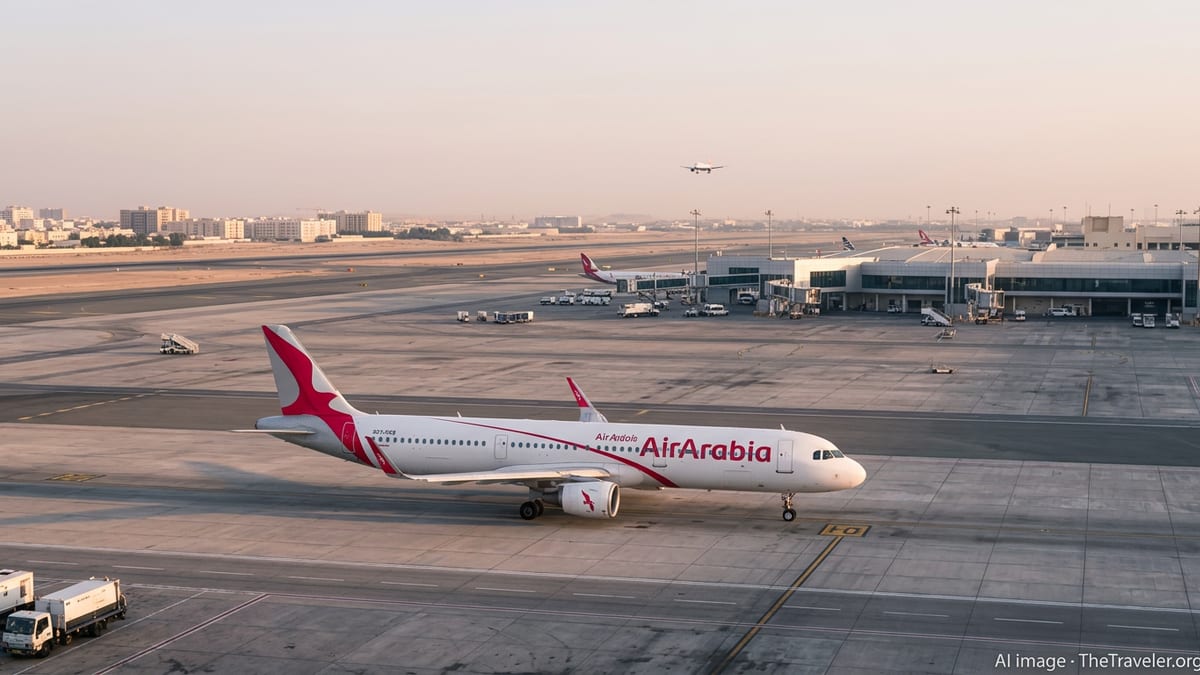
From Standby Strip to Full Second Runway
The centrepiece of Gatwick’s plan is its Northern Runway, currently a standby strip used only when the main runway is unavailable. Planning consent granted in 2025 allows the airport to realign and bring this runway into routine use alongside the existing main runway, creating a dual-runway operation within the airport’s current footprint.
Publicly available planning documents describe a programme that involves shifting the Northern Runway several metres north, reconfiguring taxiways and stands, and upgrading terminal and airfield infrastructure. The goal is to unlock significantly more movements per hour without building an entirely new strip on undeveloped land.
Gatwick’s master planning material indicates the expanded layout could eventually support close to 80 million passengers a year, compared with pre-pandemic peaks of just over 46 million. The airport presents the project as a way to “make best use” of existing facilities, consistent with national aviation policy that prioritises expanding current hubs before constructing completely new ones.
The new consent order sets detailed conditions on how and when the extra capacity can be used, including caps on annual flights and monitoring requirements for noise and emissions. These controls are intended to sit alongside separate national frameworks covering night flights and environmental performance.
What It Means for London and Southeast England
For London’s wider airport system, Gatwick’s move is poised to shift the balance of capacity that has long been dominated by Heathrow. Government updates on airport expansion policy identify Gatwick as the UK’s second-busiest airport and a key part of a multi-airport strategy for the capital, rather than a simple overflow facility.
The dual-runway operation is expected to ease some of the pressure on Heathrow by offering airlines additional slots in the South East, particularly for point-to-point routes that do not rely on a global hub model. Analysts following the UK aviation sector suggest that increased competition on popular routes can translate into more choice of schedules, aircraft types and fare products for travellers across the region.
Regional planning and economic assessments linked to the Gatwick project forecast substantial impacts on local employment and business activity. Material published by the airport and independent consultants points to the potential for thousands of additional jobs in aviation, tourism and supply chains, alongside an annual multi-billion-pound contribution to gross value added in the wider Gatwick corridor.
However, transport studies for the South East also highlight the need for significant upgrades to road and rail links serving the airport if extra runway capacity is to be used efficiently. Proposals include junction improvements, enhanced rail frequencies and measures to shift a greater share of passengers and employees onto public transport to limit congestion.
European Holidaymakers Gain Capacity and Choice
Gatwick has long been a major gateway for European short-haul and leisure traffic, hosting a high concentration of low-cost and charter airlines. The runway changes are likely to reinforce that role by opening up more take-off and landing slots at peak holiday times, a period when capacity constraints can quickly translate into higher fares and limited availability.
Industry coverage suggests that additional slots could enable carriers to increase frequencies on popular Mediterranean and city-break routes, add service to secondary regional airports across Europe, or introduce more seasonal flexibility. For travellers in London and Southeast England, that may mean more early-morning departures, later evening returns and denser weekend schedules, allowing shorter, more spontaneous trips.
Tourism bodies in Southern England have previously argued that Gatwick’s growth would also stimulate inbound leisure travel, as more direct flights from European cities make it easier for visitors to reach coastal destinations, national parks and heritage sites without transiting via Heathrow. Increased seat capacity typically improves the chances of securing competitive prices during school holidays and other peak periods.
At the same time, local authorities and community groups around the airport have raised concerns in consultation processes about the cumulative effect of more short-haul flights on noise, air quality and climate goals. The consent framework requires ongoing monitoring of these impacts, and national policy continues to emphasise the role of rail as an alternative for shorter European journeys where feasible.
Long-Haul and Global Connectivity Prospects
While Gatwick has traditionally been associated with holiday flights to Europe and selected long-haul leisure destinations, recent years have seen a gradual diversification into more intercontinental services. The move to a two-runway operation is expected to support that shift by giving airlines confidence that they can secure the slots needed to build and sustain long-haul networks.
Aviation analysts note that widebody and new-generation narrowbody aircraft have already allowed the airport to host routes to North America, the Caribbean, the Middle East and parts of Asia and Africa. Additional runway capacity could make it easier to increase frequencies on existing long-haul routes, introduce new destinations, or attract carriers looking for a London foothold without contending with tight slot constraints at Heathrow.
For long-haul passengers, this may translate into more non-stop alternatives to using a traditional hub, especially for point-to-point travel. Travellers from Southeast England could see more direct links to secondary North American and Asian cities, while inbound visitors might benefit from more flexible arrival and departure times that connect smoothly with domestic rail and coach services.
However, future long-haul growth at Gatwick will also be shaped by global aviation trends, including airline alliances, fleet strategies and decarbonisation policies. National government documents have stressed that any capacity expansion must be consistent with the UK’s carbon reduction commitments and the development of sustainable aviation fuel and cleaner aircraft technologies.
Timelines, Trade-Offs and What Travellers Should Expect
The project is not an instant transformation. Planning material and government statements indicate that the Northern Runway changes are expected to be delivered in stages, with construction, airfield reconfiguration and associated road works unfolding over several years. The airport has signalled that operational use of the upgraded runway is likely to begin closer to the end of the decade than the middle.
During the build-out phase, passengers are likely to experience a mix of incremental improvements and short-term disruption. Terminal refurbishments, road diversions and airfield works can add complexity to journeys, even as new facilities gradually come online. Airports typically phase such projects to protect peak-season operations, but temporary schedule adjustments and infrastructure bottlenecks are common.
Once fully implemented, the dual-runway system is expected to increase Gatwick’s operational resilience by reducing delays linked to single-runway constraints, such as recovery from bad weather or aircraft incidents. With two runways, the airport gains more flexibility to handle arrivals and departures, which in turn can improve on-time performance across both short- and long-haul networks.
For London and Southeast England, the stakes are significant. The Northern Runway project has been framed in public documents as a test case for how the UK can expand airport capacity within existing boundaries while attempting to manage environmental and community impacts. For European holidaymakers and long-haul passengers alike, the changes at Gatwick are likely to mean more routes, more choice and a reshaped map of how and where they fly to and from the capital.