


More news on this day
Passengers on an EasyJet flight from Geneva to Corsica endured hours stuck on the tarmac after the aircraft was unable to refuel as planned, the latest in a string of high-profile disruptions raising questions over how European airlines manage ground operations during peak holiday season.
Get the latest news straight to your inbox!
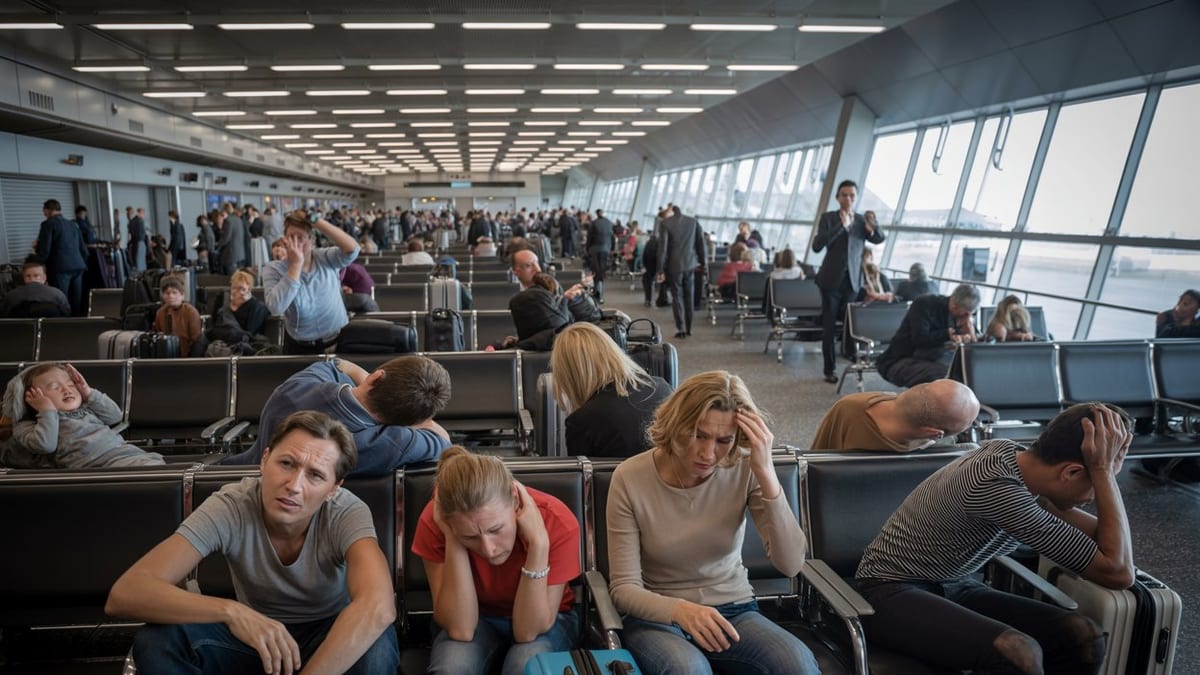
Hours on the tarmac end with flight cancellation
According to reports in French media, the incident took place at Geneva Airport on an EasyJet service bound for Ajaccio in Corsica in early July. Around 150 passengers had already boarded when a technical and operational issue prevented the aircraft from being refuelled for departure, leaving travellers confined onboard for several hours.
Coverage indicates that the flight was already running significantly late when boarding was completed. As refuelling difficulties persisted, departure slots were missed and crew duty-time limits approached, further complicating the situation. With passengers seated and doors closed, the aircraft remained parked on the apron while ground teams attempted to resolve the problem.
After roughly five hours of delays and mounting frustration in the cabin, the situation escalated when several passengers reportedly decided they no longer wished to travel and insisted on leaving the aircraft. Once they disembarked, airline procedures and safety requirements meant that the flight could not simply continue with the remaining travellers.
With no viable option to depart that evening, the flight was ultimately cancelled. Holidaymakers expecting to arrive in Corsica that day instead faced the prospect of rebooking, seeking hotel accommodation and rearranging onward plans at short notice.
Refuelling and crew limits expose operational weak points
While the specific refuelling issue at Geneva has not been fully detailed publicly, aviation experts note that modern airline operations are highly sensitive to small disruptions on the ground. Problems with fuel availability, fuelling vehicles or safety clearances can quickly cascade into missed departure slots, especially at busy airports.
Once boarding is complete and an aircraft pushes back or waits away from the gate, any extended delay risks bringing crew duty-time rules into play. Strict regulations limit how long pilots and cabin crew can work without rest. If those legal limits are reached while a plane is still on the ground, the flight must be delayed until a new crew can be assembled, or it may be cancelled entirely.
Publicly available information on other recent EasyJet disruption cases shows similar patterns, in which relatively modest technical or ground-handling issues combine with staffing constraints and congested schedules to produce severe delays or cancellations. For passengers, the result often feels disproportionate to the apparent cause.
In the Geneva case, the combination of a refuelling problem, accumulated delay and time-of-day constraints appears to have left the airline with little flexibility. Once passengers began asking to leave the aircraft after hours of waiting, the operational plan effectively collapsed.
Passenger frustration over information and comfort
Reports from the tarmac incident describe a sense of growing frustration and fatigue among travellers as the delay stretched on. Passengers were confined to their seats during a peak summer travel period, with families, older travellers and children all affected by the lack of progress.
Travel forums and social media posts about recent EasyJet operations suggest that communication and onboard conditions during lengthy delays are recurring concerns. Travellers frequently highlight limited updates, uncertainty over the likely duration of a wait, and questions about access to refreshments and ventilation while the aircraft remains on the ground.
Aviation consumer advocates point out that lengthy tarmac waits can quickly become uncomfortable, particularly in hot weather or on aircraft where auxiliary power is limited. Even when safety is not at risk, extended time in cramped seating without clear information tends to intensify passenger dissatisfaction and can lead to confrontations or last-minute decisions to abandon the flight.
Although this latest disruption occurred at a European airport, where rules differ from those in the United States, consumer groups argue that similar principles should apply everywhere: passengers should be able to disembark within a reasonable period if it becomes clear that a flight cannot depart in the near term.
Regulatory context and compensation rights
In Europe, air passenger rights are primarily governed by Regulation EC 261, which sets out compensation and assistance obligations for airlines in cases of long delays, cancellations and denied boarding. Under this framework, travellers on the cancelled Geneva to Ajaccio flight may be entitled to reimbursement or re-routing, as well as meals, refreshments and, where necessary, hotel accommodation.
Whether cash compensation is owed depends partly on the cause of the disruption. If the refuelling problem is considered within the airline’s control as an operational failure, rather than an extraordinary circumstance such as an airport-wide fuel shortage or serious safety issue, passengers could be eligible for fixed-sum payments based on flight distance.
Consumer advice sites note that passengers affected by such incidents should retain boarding passes, booking confirmations and receipts for any reasonable out-of-pocket expenses, such as meals or transfers, and then submit claims directly to the carrier. If the airline rejects a claim, national enforcement bodies or alternative dispute resolution schemes may be able to review the case.
EasyJet’s published policies state that the airline provides care and assistance during major disruption and offers rebooking or refunds after cancellations. However, travellers often report that the process of securing these rights can be time-consuming, particularly when large numbers of flights are affected during peak holiday periods.
Growing scrutiny of peak-season resilience
The Geneva tarmac episode comes as European carriers and airports brace for one of the busiest summer travel seasons in years. Recent public coverage highlights a series of high-profile disruptions involving aircraft held on aprons for extended periods due to technical issues, storms or congestion.
Industry analysts note that airlines have sought to rebuild capacity rapidly following the pandemic while facing tight labour markets for pilots, cabin crew and ground handlers. That combination can leave little margin for error when something goes wrong with a single aircraft’s turnaround, as appeared to be the case with the EasyJet refuelling delay.
Travel experts suggest that carriers operating dense schedules from slot-constrained airports may need to invest further in contingency planning, including backup staffing, clearer communication protocols and closer coordination with airport fuel providers. Without such measures, relatively minor operational issues risk turning into headline-grabbing incidents that erode customer confidence.
For passengers, the Geneva incident serves as a reminder to monitor flight status, carry essential medications and small supplies in cabin luggage, and be prepared for the possibility of extended waits on busy travel days. While no traveller can fully avoid the risk of disruption, understanding rights and practical steps in the event of long tarmac delays can help soften the impact when plans unravel.