

More news on this day
Across the United States, a new type of hotel collection is appearing in city centers, resort towns and secondary markets, growing far faster than traditional brands by blending independent character with the scale and systems of major hospitality groups.
Get the latest news straight to your inbox!
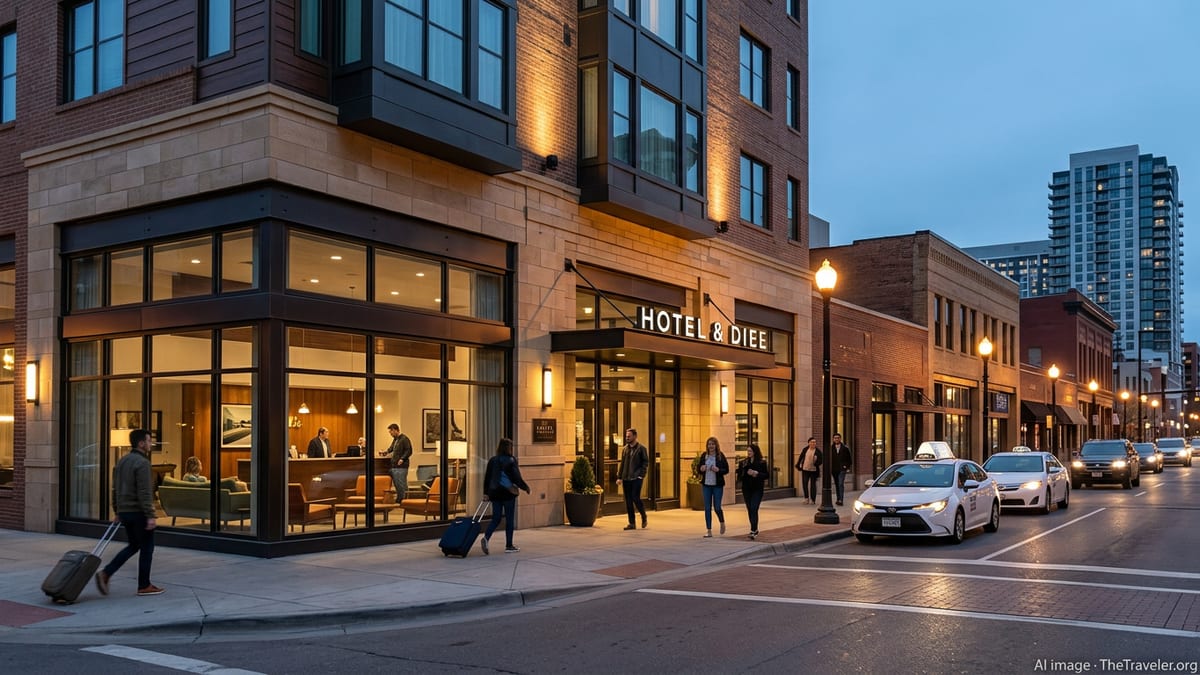
A New Kind of Brand Changing the U.S. Hotel Map
Over the past few years, soft-brand hotel collections have shifted from niche concept to mainstream force, with owners and developers increasingly favoring flags that preserve a property’s local identity while tapping into global distribution, loyalty programs and revenue engines. Publicly available industry data for 2024 and early 2025 shows that soft brands now account for a small but fast-expanding share of U.S. room supply, particularly in the upper-upscale and luxury tiers.
Rather than building every hotel from the ground up, these collections grow quickly through conversions, bringing existing independent properties into a network under a shared collection name. This strategy allows companies to add dozens of addresses across the country in a short window, often in renovated historic buildings or distinctive lifestyle hotels that were already local fixtures.
The result is a rapidly growing footprint that can be hard for travelers to miss. New collection flags are appearing on everything from downtown towers in major cities to restored roadside motor lodges and mountain lodges in leisure destinations, giving the impression that a single collection has suddenly leapt across the U.S. map.
For travelers, the appeal lies in combining the personality of a boutique stay with the reassurance of familiar booking channels, points-earning opportunities and recognizable service standards. For owners, the equation is one of speed to market with comparatively lower capital outlay than a full ground-up build.
Conversion First: The Engine Behind Fast Expansion
The primary reason a hotel collection can grow so quickly is the conversion model. Rather than waiting years for new-build projects to clear planning, financing and construction, collection brands actively court existing independent hotels and small regional groups, offering them access to a larger ecosystem in exchange for joining the portfolio.
Hotel companies emphasize that conversions into collection brands allow owners to plug into enterprise systems such as global sales, loyalty databases, revenue management technology and centralized marketing. These tools can increase visibility and drive higher-rated demand more rapidly than an independent property could typically achieve on its own, which in turn makes the switch attractive for owners in competitive markets.
Industry reports from 2024 and 2025 highlight that conversion-friendly collections have been responsible for a significant share of net unit growth in the U.S., especially in the upscale and upper-upscale segments. Executives from several major groups have pointed to record levels of openings and signings for their collection and conversion brands, underscoring that owners are increasingly opting to reflag under these softer, more flexible standards instead of undertaking expensive full-brand transformations.
Because a conversion can often be completed with targeted renovations and upgraded systems, rather than full structural overhauls, properties can switch into a collection and begin marketing under the new flag within months. That compressed timeline is central to how a single collection can appear to spread so quickly across diverse U.S. regions.
Why Owners Are Choosing Collections Over Traditional Flags
Rapid growth also reflects a shift in what hotel owners are seeking from brand partners. Many properties that join a collection want the reach and performance of a large chain, but without sacrificing the design, amenities and local partnerships that differentiate them from standardized roadside or airport hotels.
Soft-brand collections typically offer more flexible design guidelines and operational leeway than classic full-service brands. Owners can keep a hotel’s name, architecture and many of its operating characteristics, while still featuring within a collection’s marketing materials and reservation channels. This balance of individuality and support has proven attractive to boutique hotels and destination properties that previously resisted traditional branding.
Financial performance is another driver. Research on boutique and soft-brand assets in the U.S. indicates that well-positioned properties in these collections have generated strong revenue per available room and profit margins, in some cases outpacing more traditional full-service competitors. For owners facing rising costs of capital and operations, those numbers make a compelling case for joining a collection that emphasizes distinctive experiences and higher-yielding segments of demand.
In addition, many collection brands are structured to encourage adaptive reuse and repositioning projects, such as transforming former office buildings or historic landmarks into hotels. That creates new development pathways in urban cores and established neighborhoods where ground-up construction is constrained, further accelerating a collection’s spread into key U.S. markets.
Traveler Demand for Character, Points and Perks
On the demand side, shifts in traveler preferences have created fertile ground for fast-growing hotel collections. Surveys of leisure and business travelers over the past two years consistently point to rising interest in “authentic,” experience-driven stays that reflect local culture, cuisine and design, even on short trips.
At the same time, many travelers remain deeply engaged with loyalty programs, particularly frequent business guests and premium credit card holders. They want to earn and redeem points, access elite benefits and use annual hotel credits without giving up the ambiance of a distinctive independent property. Collections bridge that gap by bringing one-of-a-kind hotels into major global loyalty ecosystems.
Premium credit cards have amplified this effect by offering elevated benefits at curated collections of independent and lifestyle hotels across the U.S. Card-linked hotel credits, property-specific dining or spa credits and potential room upgrades at participating collection properties encourage cardmembers to seek out these hotels when planning trips.
As these benefits expand and are highlighted in marketing campaigns, travelers become more aware of specific collections and begin to recognize their presence from city to city. That growing brand recognition, even for collections composed mostly of independently named hotels, fuels further demand and reinforces the business case for owners considering a conversion.
What Rapid Growth Means for the U.S. Hotel Landscape
The swift rise of soft-brand hotel collections is reshaping the competitive landscape in many U.S. destinations. In markets from major coastal cities to inland business hubs, guests can increasingly choose between several collection-affiliated properties, each with its own story and design but all connected to a larger network of benefits and booking channels.
For smaller independent hotels, the trend raises strategic questions. Remaining fully independent allows maximum control but may mean competing against collection properties that now benefit from global distribution, professional revenue management and steady loyalty-driven demand. Joining a collection, on the other hand, can deliver immediate brand recognition and performance tools but requires alignment with brand standards and fee structures.
For travelers, the proliferation of collections has expanded the range of options that feel both distinctive and reliable. A guest arriving in a new U.S. city can increasingly find a collection hotel that offers neighborhood-driven experiences, design-forward public spaces and regionally inspired food and beverage, while still earning points and using card-linked benefits.
As long as conversion pipelines remain robust, financing remains available for adaptive reuse projects and traveler appetite for character and curated experiences continues, hotel collections built on the soft-brand model are positioned to keep growing quickly across the U.S. map. Their rapid expansion suggests that the line between independent boutique and global chain will continue to blur in the coming years, reshaping how Americans think about where they stay.