

Georgia is a large and varied state, and getting around efficiently can make the difference between a rushed itinerary and a relaxed, memorable trip. From one of the world’s busiest airports in Atlanta to quiet Blue Ridge mountain highways and coastal byways near Savannah, the transportation options you choose will shape how you experience the state. This guide explains the main ways travelers move around Georgia today, how they connect, and what to consider when planning your routes.
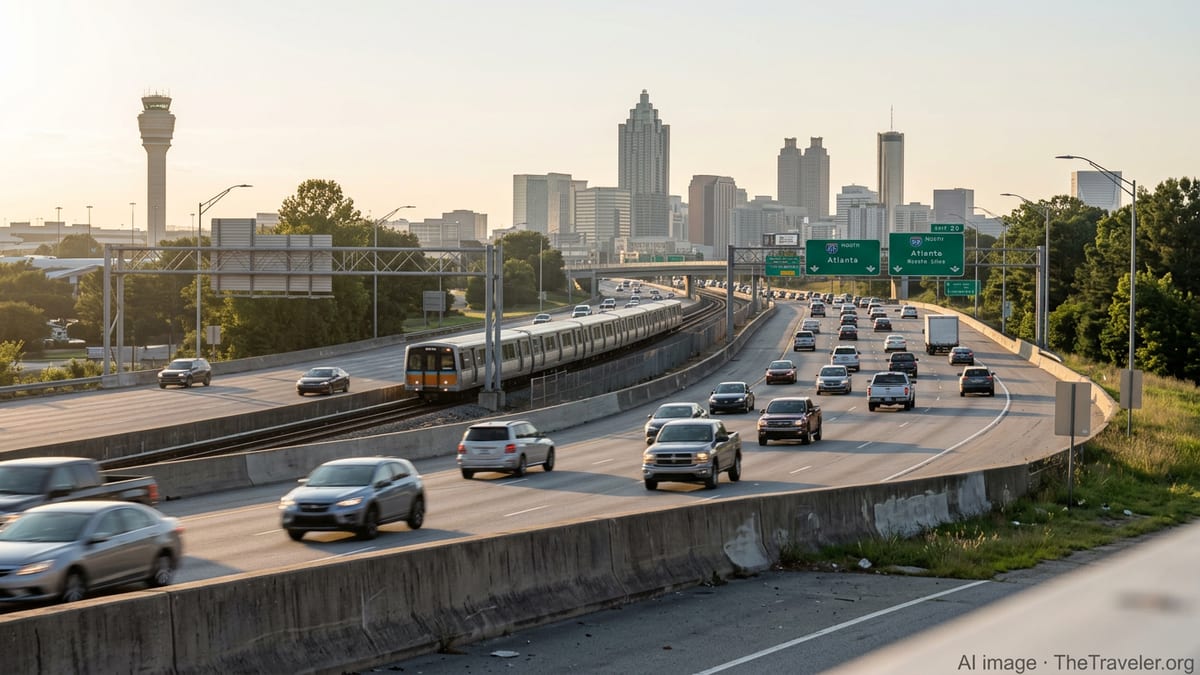
Understanding Georgia’s Geography and Travel Distances
Before choosing how to get around Georgia, it helps to understand the state’s basic layout. Atlanta sits roughly in the north-central region and functions as the primary hub for flights, highways, and rail. Savannah anchors the coast on the east, Augusta lies near the South Carolina border, and Columbus and Albany serve the southwest. Distances between major cities are significant enough that your transportation choices matter, but still manageable for day or weekend trips.
From Atlanta to Savannah, you will travel approximately four hours by car under normal traffic conditions. Atlanta to Augusta is closer to two hours, while Atlanta to Columbus or Macon typically falls between one and a half and two hours. Mountain destinations such as Blue Ridge or Helen are usually two hours or more north of Atlanta on winding highways. These times can stretch during construction season or holiday weekends, particularly in and around metropolitan Atlanta.
Because many of Georgia’s natural attractions, small towns, and historic sites sit far from rail lines and major bus corridors, most visitors end up combining at least two modes of transport. A common pattern is to fly into Atlanta or Savannah, use public transit or rideshares locally if available, then rent a car to reach rural or coastal areas. Knowing in advance where public transportation is strong and where you will be largely car dependent will help you set realistic expectations and avoid tight connections.
The state’s interstates form a rough grid, with Interstate 75 running north–south through Atlanta and Macon, Interstate 85 connecting Atlanta with South Carolina and Alabama, and Interstate 20 crossing east–west through Atlanta, Augusta, and into Alabama. Interstate 95 follows the coast, linking Savannah with Florida to the south and the Carolinas to the north. These corridors, plus a web of U.S. and state highways, create straightforward driving routes between most destinations.
Arriving by Air and Navigating Georgia’s Airports
Most international and long-haul domestic visitors arrive in Georgia via Hartsfield Jackson Atlanta International Airport, consistently ranked among the world’s busiest passenger airports. The airport connects nonstop to hundreds of destinations and offers frequent service on major U.S. carriers. It sits just south of downtown Atlanta, with direct access to the city’s rapid transit system and several interstates, making it the most practical entry point for multi-city itineraries.
On arrival at Hartsfield Jackson, you can choose between the Metropolitan Atlanta Rapid Transit Authority rail station located inside the domestic terminal, a large network of rental car facilities reachable by automated people mover, authorized rideshare pick ups, hotel shuttles, and traditional taxis. Ground transportation areas are clearly signed, but the airport is vast, so build in extra time to find your way, especially if you are traveling with luggage or children. Late evening and early morning arrivals still find service options, though train frequency may be reduced.
For travelers whose plans focus on specific regions, Georgia offers a number of smaller commercial airports with limited scheduled service, including Savannah Hilton Head International, Augusta Regional, Southwest Georgia Regional in Albany, and regional fields that primarily handle general aviation but occasionally host charter services. These secondary airports can significantly reduce drive times if you are heading straight to the coast or certain business hubs. However, they generally have fewer rental car counters, less frequent flights, and higher fares than Atlanta, so it is wise to compare both schedule flexibility and cost before booking.
Because air service patterns can change, check which airlines are currently serving your intended regional airport and whether any runway or terminal projects might affect operations in the season you plan to travel. When visiting smaller cities, many travelers still find it easiest to fly into Atlanta and drive or take a bus for the final leg, especially when traveling with family or bulky gear such as golf clubs, fishing equipment, or hiking gear.
Driving in Georgia: Highways, Traffic, and Car Rental Tips
Driving is the most flexible way to get around Georgia, and for many trips it is effectively essential. Major interstates are generally in good condition, with clear signage and frequent service stations. Outside the Atlanta region, traffic tends to be moderate, and long stretches of roadway are surprisingly scenic, especially near the Blue Ridge foothills or along the coastal plain. For visitors planning to explore state parks, wineries, beaches, and small historic towns, renting a car remains the most practical option.
The greatest challenge for many travelers is navigating congestion in and around Atlanta, particularly along Interstate 285, the beltway that circles the city, and on Interstates 75, 85, and 20 during weekday rush hours. Morning peaks often run from about 7 to 9 a.m., while afternoon congestion can stretch from roughly 3:30 to 6:30 p.m. Fridays and days before major holidays may see heavy volumes well beyond these windows. If your route allows, plan intercity drives to avoid crossing Atlanta at peak times, or consider routing on U.S. or state highways that bypass the busiest segments.
Car rentals are widely available at Hartsfield Jackson and at other commercial airports, as well as in city neighborhoods and some suburban centers. The Rental Car Center at Atlanta’s airport is reached by a dedicated automated train from the terminals, so allow extra time both on pickup and return. Rental fleets typically include compact cars, SUVs for family road trips, and pickup trucks popular for outdoor excursions. Reserving in advance is strongly recommended during major events, peak summer weekends, and college football season in the fall.
When driving in rural Georgia, be prepared for two lane roads, limited lighting at night, and occasional encounters with farm equipment, wildlife, or slow moving local traffic. Mobile coverage can be spotty in sparsely populated areas, so download offline maps before you depart if you are relying heavily on smartphone navigation. Pay attention to speed limits, especially when passing through small towns where enforcement may be strict near schools and residential streets. In winter, snow and ice are relatively rare but can cause significant disruption when they do occur, particularly in the northern part of the state.
Getting Around Atlanta: MARTA, Rideshares, and Local Options
Within metropolitan Atlanta, visitors benefit from the state’s most developed public transportation network. The MARTA system runs rail lines that connect the airport with downtown, Midtown, and several northern suburbs, as well as extensive local bus routes. For many travelers staying in central Atlanta without plans to explore remote areas, it is entirely possible to rely on rail, buses, and rideshares without renting a car. This is particularly appealing if you prefer to avoid Atlanta’s traffic and complex highway interchanges.
MARTA trains operate from an underground station attached to the airport’s domestic terminal, giving arriving passengers a direct link to central neighborhoods. Two main lines serve the airport, and both pass through Five Points, the system’s primary transfer station. Trains typically run every few minutes during peak times, with moderate waits later at night. Fares are structured on a flat per ride basis, and reusable contactless cards and mobile payment options are available. For many solo travelers or couples, riding the train into the city is both faster and less expensive than taxis or rideshares in peak traffic.
Bus coverage within Atlanta and the surrounding counties continues to evolve, with a mix of local stopping services and express routes that carry commuters from suburban areas into employment centers. Projects in development aim to add bus rapid transit style connections between key destinations and the airport, including planned routes through Clayton County that would feature upgraded stations and more reliable travel times. As these projects roll out over the coming years, visitors can expect better non car access from some southern suburbs to Hartsfield Jackson.
Rideshare services such as app based car hires and traditional taxis are abundant in Atlanta and typically easy to hail, although surge pricing can apply during major events, severe weather, or very late hours. At the airport, these services use designated pickup zones on the terminal curbs. In dense neighborhoods like Midtown, Downtown, and Buckhead, short rideshares often supplement MARTA trips, bridging the gap between rail stations and specific hotels, restaurants, or venues. Street layouts can be confusing, so build in time for pick ups and be prepared for your driver to navigate one way streets and bus lanes.
Exploring Beyond Atlanta: Intercity Buses, Trains, and Tours
For travelers who prefer not to drive, intercity buses offer one of the most important alternatives for moving between major cities in Georgia. Several carriers operate routes that connect Atlanta with Savannah, Augusta, Macon, Columbus, and other regional centers, often linking with long distance services that continue on to neighboring states. Coaches typically feature reclining seats, air conditioning, and mobile charging outlets, making them a viable option for budget conscious visitors or those uncomfortable with highway driving.
Bus schedules often cluster around morning and evening departures, and frequencies can be limited on certain routes, so careful planning is essential. When traveling during busy holiday periods, booking tickets in advance helps secure seats on your preferred departure. Arrival points are usually central stations or curbside locations near downtown, from which you can transfer to local buses, short rideshares, or in some cases hotel shuttles. Because routes and operators can change, it is wise to verify current services, departure points, and travel times close to your travel dates.
Rail options within Georgia remain more limited than in some other states. A single Amtrak route passes through Atlanta on its way between the Northeast and Louisiana, with additional stops at smaller communities near the state’s eastern border. For most itineraries within Georgia itself, trains function more as a long distance link than a day to day way of moving between cities. That said, coupling a long haul train ride to Atlanta with a local rental car or bus connection can create a relaxed, lower stress approach to reaching the state without flying.
In popular tourist areas, organized tours and private shuttles frequently fill the gaps left by limited public transit. In Savannah, for example, sightseeing trolleys and guided tours loop through the historic district, while in the mountains, outfitters and tour companies transport guests to trailheads, rivers, and wineries. Coastal islands and resort areas sometimes offer hotel operated shuttles between properties and airports or town centers. These services vary widely by season, so if a specific tour or shuttle is central to your plans, confirm its current operating schedule.
Savannah, the Coast, and Small Town Georgia
Savannah and Georgia’s coastal region present a different transportation picture from Atlanta. The historic district is compact, walkable, and designed on a grid of squares, making it easy to explore on foot once you are in the city center. Many visitors arrive by car, either driving in from Atlanta via interstate routes or from neighboring states along the coastal corridor. Others fly into Savannah’s airport, which sits northwest of the city and offers rental cars, taxis, rideshares, and hotel shuttles for the short transfer into town.
Within Savannah, you can comfortably rely on walking, supplemented by short rideshare trips or local buses when heat, rain, or distance becomes an issue. However, public transit becomes more limited once you look beyond the city core. Reaching nearby destinations such as Tybee Island, Fort Pulaski, or smaller coastal communities almost always requires a car or prearranged shuttle. Bicycling can be pleasant on certain stretches, but road shoulders and dedicated paths are inconsistent, so riders should be confident and cautious.
Elsewhere in Georgia, from mountain towns like Blue Ridge and Dahlonega to small agricultural centers in the south, car travel dominates. Local bus networks, where they exist, are often oriented toward residents’ daily needs rather than visitor sightseeing, and service may be infrequent. Some counties and small cities have on demand or microtransit services that can be summoned through apps or phone calls, catering primarily to commuters and airport workers but sometimes usable by visitors as well. These services can be useful if you are staying for an extended period and prefer not to drive, but they are rarely a full substitute for a rental car.
Because small towns may lack 24 hour taxis or rideshares, think ahead about how you will get back to your lodging after evening events, especially if you plan to enjoy local wineries, breweries, or music venues. In rural areas, walking along unlit roads without sidewalks is generally unsafe at night. If transportation options seem uncertain, talk with your accommodation host or front desk staff; they often know reliable local drivers or shuttle providers who do not appear in national ride apps.
Accessibility, Safety, and Sustainable Travel Choices
Accessibility has become a higher priority across Georgia’s transportation systems, though conditions still vary by location and mode. In Atlanta, MARTA stations generally feature elevators, ramps, and tactile paving, and rail cars typically offer designated priority seating and spaces for mobility devices. However, elevator outages and complex station layouts can pose challenges, so travelers with mobility concerns may wish to review station information before traveling or allow additional time for transfers. Many city buses can lower to curb level and include ramps, but boarding can still be affected by curb height and traffic conditions.
At airports, including Hartsfield Jackson and Savannah’s international airport, standard services such as wheelchair assistance, accessible restrooms, and priority boarding are widely available, though you should request support in advance through your airline whenever possible. Rental car agencies in Georgia can often provide hand control equipped vehicles and other adaptive features, but supply is limited and early reservations are strongly recommended. Hotel shuttles may or may not be fully accessible, so confirming vehicle types in advance will help avoid last minute surprises.
Safety when moving around Georgia follows the same basic principles as in other large U.S. states. On the road, always wear seat belts, follow posted limits, and be prepared for sudden slowdowns near work zones. Atlanta’s interstates, in particular, can involve fast moving traffic, complicated interchanges, and frequent lane changes, which may feel stressful for some visitors. If you are not comfortable driving in heavy traffic, consider using MARTA or arranging rideshares during your time in the city center, then renting a car for less congested legs of your trip.
Sustainability minded travelers can reduce their environmental impact by choosing buses, trains, and shared rides where practical, especially in urban corridors. Walking and cycling are pleasant in select neighborhoods and parks, though summer heat and humidity can be intense. Some Georgia communities are piloting on demand electric shuttles and microtransit services intended to cut solo car trips, particularly around Atlanta’s airport and certain employment centers. While these programs are still evolving, they indicate a gradual shift toward a more diverse and climate conscious transportation mix.
The Takeaway
Navigating Georgia as a visitor involves balancing convenience, cost, and comfort across a patchwork of transportation options. In and around Atlanta, strong air connections, a functional rail and bus network, and plentiful rideshares mean you can leave driving to someone else if you prefer. Beyond the metro area, especially in the mountains, on the coast, and in small towns, a reliable car remains the key that unlocks the state’s most rewarding landscapes and experiences.
When planning your trip, think of transportation as part of your itinerary rather than an afterthought. Map out not only your flights but also how you will move between airports, hotels, attractions, and neighboring regions, paying attention to travel times and peak hours. Consider mixing modes: perhaps a train or bus into Atlanta, a few car free days in the city, then a rental car for coastal or mountain excursions. With realistic expectations and a bit of advance research, getting around Georgia can be straightforward, affordable, and even enjoyable.
FAQ
Q1. Do I need a car to visit Georgia, or can I rely on public transportation?
Public transportation is practical in central Atlanta and somewhat useful in Savannah, but most of Georgia, including rural areas, mountains, and many coastal spots, is much easier to explore with a car. Many travelers combine transit and rideshares in the city with a rental car for regional travel.
Q2. How do I get from Hartsfield Jackson Atlanta International Airport to downtown Atlanta?
The easiest option for many visitors is the MARTA train, which runs directly from a station inside the domestic terminal to several downtown and Midtown stops. You can also use rideshares, taxis, or hotel shuttles, though these may be slower during heavy traffic.
Q3. Is driving in Atlanta difficult for visitors?
Driving in Atlanta can feel challenging due to heavy traffic, complex interchanges, and frequent lane changes, especially during rush hours. Many visitors choose not to drive in the city center, instead using MARTA and rideshares, then renting a car only when leaving the metro area.
Q4. What is the best way to travel between Atlanta and Savannah?
Most travelers drive between Atlanta and Savannah using interstate highways, which usually takes about four hours. Intercity buses serve the route as well, though departures can be limited. Rail options are less convenient for travel strictly within Georgia.
Q5. Are rideshare services widely available across Georgia?
Rideshares are widely available in larger cities such as Atlanta and Savannah and in many suburban areas. Availability can be limited or sporadic in small towns and rural regions, especially late at night, so do not rely on them as your only option outside major metros.
Q6. How accessible is public transportation in Georgia for travelers with mobility challenges?
Major systems like MARTA and large airports generally provide elevators, ramps, priority seating, and wheelchair assistance, though conditions can vary by station or stop. Smaller towns and regional buses may be less consistently accessible, so advance planning and confirmation are important.
Q7. What should I know about driving in rural parts of Georgia?
Rural roads are often two lane, with limited lighting and occasional slow moving vehicles or wildlife. Mobile coverage can be patchy, so download maps in advance, keep an eye on fuel levels, and plan return transportation before heading out at night.
Q8. Is it safe to use MARTA and local buses in Atlanta as a visitor?
Many visitors use MARTA and local buses daily without issues, especially during daytime and early evening hours. As in any large city, it is wise to stay aware of your surroundings, keep valuables secure, and avoid isolated areas late at night.
Q9. Can I visit Georgia’s mountains or beaches without renting a car?
It is possible but more complicated. You may find seasonal shuttles, guided tours, or private transfers to certain destinations, yet schedules are often limited. For flexibility and access to smaller towns, a rental car is usually the most practical choice.
Q10. How far in advance should I book transportation within Georgia?
Book rental cars and intercity bus or train tickets as early as possible for holiday periods, summer weekends, and major events. For regular weekdays, a few weeks’ notice is often enough, though reserving earlier can yield better availability and pricing.