

India is vast, crowded, and endlessly compelling, and working out how to move between its cities and regions is one of the biggest decisions you will make when planning a trip. From overnight trains and low cost domestic flights to an increasingly premium bus network and flexible private drivers, each mode of transport shapes your experience of the country in different ways. Understanding how they work in 2025 and 2026, what they cost, and when to choose each one will help you travel India more smoothly and with much less stress.
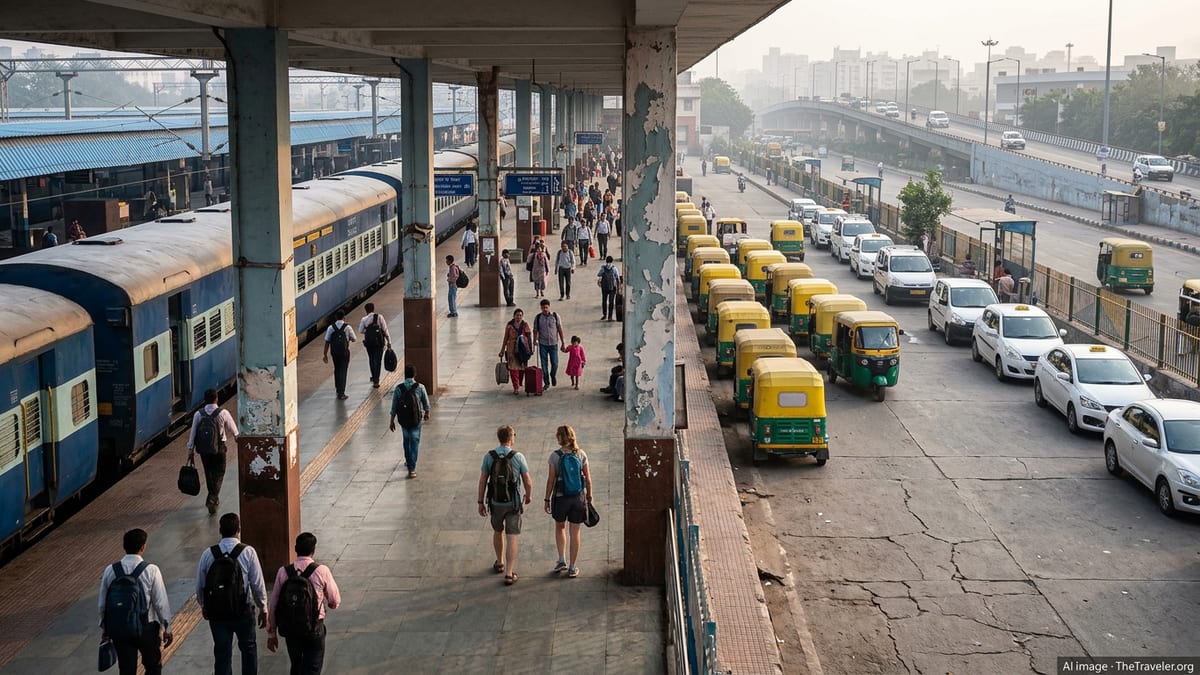
Understanding Distances and Choosing the Right Mode
India is larger than Western Europe, and many first time visitors underestimate both the distances involved and the time journeys can take. A straight line on the map between Delhi and Mumbai hides more than 1,400 kilometers of road or a train journey of 16 to 24 hours depending on the service. Even on busy corridors, congestion on highways, crowds at stations and variable infrastructure can add hours to a schedule, particularly around festivals and school holidays. Before locking in an itinerary, look carefully at how many full days you are willing to spend in transit compared with days on the ground.
Broadly speaking, trains and intercity buses work best for overnight journeys of 8 to 20 hours or for comfortable daytime hops between nearby cities. Domestic flights are the most efficient way to cross long distances quickly, especially if you have limited vacation time. Private drivers sit in between, providing door to door flexibility for regional loops and rural areas where public transport is less convenient. Most travelers end up combining all four modes, using trains and flights for the big jumps, buses where rail routes are limited or sold out, and private cars for countryside segments, day trips and last mile connections.
Seasonality matters. In the cool, dry months from roughly November to February, long overland journeys can feel adventurous and comfortable. During the summer heat and monsoon, flying can be a welcome way to avoid delays, flooded roads and packed trains. It is also worth checking whether your dates coincide with major festivals such as Diwali, Holi or Durga Puja, when trains, buses and flights can sell out or become significantly more crowded and expensive.
Finally, consider your own travel style and physical needs. If you sleep well on moving vehicles and enjoy talking with fellow passengers, Indian trains and buses can become a highlight. If you prefer privacy, predictable stops and temperature control, prioritizing flights and private cars will give you a calmer trip. There is no single right way to get around India, only the mix that suits your budget, time frame and comfort level.
Riding India’s Trains: Classic, Crowded and Improving
Trains remain the backbone of Indian long distance travel, carrying millions of passengers each day across a network that reaches into almost every region. For visitors, they are both a practical way to move between cities and an immersion into daily life. In recent years Indian Railways has been steadily modernizing parts of the system, introducing semi high speed Vande Bharat services, upgrading older express trains with better interiors, and adding new classes such as Amrit Bharat coaches with improved lighting, seating and safety features.
For most travelers, the main decision is which class to book. On overnight routes, air conditioned three tier and two tier sleepers provide bunks with bedding, shared open bays and relatively secure storage. First class air conditioned carriages offer more privacy with lockable four berth compartments on select routes. For daytime trips, air conditioned chair cars with reserved seats are the most comfortable for long distances. Non air conditioned second class can be an authentic experience but is usually very crowded, noisy and hot for those not used to it, so is best kept for short hops.
Booking has become easier but still rewards advance planning. The official railway booking system opens reservations weeks or months before departure, and popular routes such as Delhi–Varanasi, Mumbai–Goa or Kolkata–Darjeeling feeder trains often sell out quickly in higher classes. Many travelers now use large online travel agencies and the official IRCTC Rail Connect app to search timetables and check availability, while some still rely on local agents to navigate registration and waitlists. Around peak holiday periods, Indian Railways adds special trains and extra coaches, but these can also fill fast.
On board, conditions vary from shiny new sets to older coaches with basic fittings, so it is worth calibrating expectations. Bring your own light chain and lock to secure luggage to the berth, a thin sheet or sleep sack if you are particular about bedding, and warm layers for air conditioned cars that can run cold at night. Food vendors and pantry cars operate on many long distance trains, but quality is mixed; buying snacks and bottled water before boarding is a good habit. As in any crowded environment, keep valuables on your person when sleeping or moving around, and avoid leaving phones or wallets unattended near doors and windows.
Flying Within India: Fast but Not Always Simple
India’s domestic aviation network has expanded dramatically in the last decade, and by the 2025–2026 winter season the civil aviation ministry scheduled more than twenty six thousand domestic flights per week, connecting major metros with tier two and tier three cities. Full service carriers and low cost airlines compete on busy routes such as Delhi–Mumbai, Bengaluru–Hyderabad and Mumbai–Kolkata, while new and expanding airports in places like Navi Mumbai and Noida are designed to ease congestion and improve regional connectivity over the next few years.
For travelers, flying is often the most efficient way to cross the country, turning what could be a 24 hour train ride into a two or three hour flight. That convenience comes with trade offs. When planning, factor in the extra time needed to reach often distant airports, clear security and potential delays. The domestic aviation sector has also experienced occasional disruptions, such as large scale schedule issues at major carriers that led to waves of cancellations and last minute rebookings. To protect your itinerary, try to avoid very tight connections, and consider scheduling important long haul international flights a day before or after complex domestic segments.
Booking is straightforward through airline websites, local travel agents or widely used apps. Prices are dynamic and can rise sharply around festivals and school holidays, but travelers who book a few months ahead often secure competitive fares. Low cost carriers commonly charge extra for checked luggage, seat selection and food, so read the fare rules carefully. It can be worth paying slightly more for a more flexible ticket in case you need to change dates or times once already in India.
At the airport, arrive earlier than you might at home, especially in large hubs like Delhi and Mumbai where security lines can stretch. Carry a digital and printed copy of your ticket and passport, as security guards at the terminal entrance usually check both. Keep power banks, electronics and any camera equipment easily accessible for screening. Check the latest rules about carrying liquids and power banks in cabin baggage, as enforcement can be stricter than in some other regions. For late night or early morning departures, pre arranging a taxi or ride hailing pickup is essential, as public transport frequency can drop during off hours.
Intercity Buses: From Bare Bones to Premium Sleepers
India’s long distance bus network has evolved rapidly, especially since the pandemic years. While classic state transport buses still ply between almost every town and city, a growing private sector offers comfortable air conditioned coaches, reclining seats, and sleeper berths that can rival mid range train classes. Recent industry reports highlight strong year on year growth in intercity bus travel, with especially high occupancy on premium routes and a marked shift toward longer journeys and better onboard amenities.
For travelers, buses are most useful along corridors where train tickets are unavailable, where there is no direct rail connection, or when schedules better match your plans. Popular examples include overnight routes between smaller cities in South India, connections between hill stations and nearby airports, or last minute trips when flight cancellations or train disruptions leave travelers stranded. During recent aviation disruptions in parts of India, private sleeper buses became an important backup, stepping in with special services on busy corridors to move passengers between major metros.
The experience can vary significantly by operator and route. Higher end private buses offer air conditioned seating or sleeper berths, charging ports, blankets, and occasionally basic refreshments, usually booked through apps or at travel agency counters. Budget and government buses are simpler and can be crowded, with frequent stops and minimal luggage space. Night buses often follow tight schedules but can be affected by road conditions, traffic and weather. If you are a light sleeper or anxious about winding mountain roads, choose daytime departures where possible.
When booking, prioritize reputable operators and look at recent passenger reviews regarding punctuality, driving style and vehicle cleanliness. Women traveling solo may prefer companies that offer women only berths or clear policies on seating allocation. As with trains, safeguard your belongings by keeping essential valuables close and locking larger bags in the luggage compartment when available. At busy bus stands, be cautious of touts and always confirm the bus number and operator before boarding, especially when several departures line up for the same destination.
Hiring Private Drivers and Taxis for Flexibility
Hiring a car with driver is one of the most practical ways to explore India’s regions, particularly in Rajasthan, Kerala, the Himalayan foothills and rural areas where trains and buses are sparse or slow. Instead of juggling multiple local connections, you can set your own departure times, stop at villages and viewpoints at will, and keep your luggage in the car. For families, small groups, older travelers or anyone carrying heavy equipment, a trusted driver can transform the logistics of a trip.
Costs for private drivers vary by region, vehicle type and duration, but by 2026 typical daily rates for an air conditioned sedan used for local sightseeing or short intercity hops often fall into a moderate range, with higher prices for SUVs, premium cars or multi day circuits that require the driver to stay overnight away from home. Outstation cab services usually quote either a per kilometer rate with a minimum billed distance per day, or a flat package for multi day itineraries that includes driver allowance and basic vehicle costs. Tolls, parking fees and some state road taxes are often extra, so clarify what is included before you confirm.
The market has matured significantly, with both regional car services and nationwide platforms offering transparent fare breakdowns and advance booking via apps or websites. This transparency helps visitors understand minimum kilometer billing, driver allowances for overnight trips and any interstate permit fees when crossing state borders. For complex itineraries involving multiple cities, many companies can customize a package that proves better value than piecing together individual transfers, particularly if you are traveling with three or four people.
When assessing a driver or company, prioritize safety and communication. Ask about licensing, insurance, and whether the vehicle has functioning seat belts for all passengers. A driver who speaks reasonable English can make a big difference if you do not speak Hindi or local languages. Once on the road, discuss daily start times, sightseeing priorities and comfort breaks so expectations are clear on both sides. It is customary to tip drivers at the end of multi day trips, usually a modest amount per day depending on service quality and region.
Urban Transport and Last Mile Connections
Even if you rely on trains and flights for longer journeys, you will still spend plenty of time navigating India’s cities. Over the last decade, urban transport has diversified, with expanding metro networks in Delhi, Mumbai, Bengaluru, Hyderabad, Chennai and other major centers, as well as widespread app based taxi services and auto rickshaws. Understanding how these pieces fit together will save you time and frustration when connecting between hotels, stations, airports and sights.
In cities with metro systems, these are often the quickest way to bypass traffic at rush hour. Lines connect major railway stations and, in some cases, airports, with frequent services and clear signage. Fares are usually inexpensive by international standards. Above ground, ride hailing apps are widely used in large and medium cities, providing clear pricing and safer, traceable rides than hailing taxis off the street. In smaller towns where these apps are less present, you may still rely on local taxis booked through your hotel or arranged informally at stands.
Auto rickshaws remain a quintessential part of urban India and can be an efficient way to cover short distances. Some cities have meters that are meant to be used, while in others drivers prefer negotiating a fare. Agree on a price before you set off, and be prepared for some haggling in touristy areas. If a driver insists on unscheduled shopping stops or detours, you can politely but firmly decline and ask to go directly to your destination. In busy areas, keeping a business card or written address of your hotel can help drivers who may not be familiar with smaller lanes or new developments.
For late night arrivals and departures, particularly in unfamiliar cities, it is wise to plan your last mile connection in advance. Many hotels can arrange airport or station pickups with trusted drivers. In train stations and bus terminals, official pre paid taxi counters can be safer than taking the first unsolicited offer outside. Always keep your main bags within sight and avoid displaying large amounts of cash or valuables in crowded transit areas.
Safety, Comfort and Cultural Considerations
Traveling across India involves sharing space with many other people, often in close quarters, and a little preparation goes a long way toward staying safe and comfortable. On all modes of transport, keep your passport, bank cards and primary phone on your person rather than in checked luggage. Use simple anti theft measures like small locks on zippers and a thin cable to secure backpacks or suitcases to luggage racks on trains and buses. In sleeping berths, keep smaller valuables under your pillow or in a money belt rather than by your feet.
Women travelers should take the same sensible precautions they would in any large country. On trains and buses, some services provide women only coaches or berths, and many booking apps allow you to see or request seat allocations that group women together. Avoid isolated compartments late at night, and if a situation feels uncomfortable, do not hesitate to move seats or ask staff or other families for support. In cities, favor registered taxis or app based rides after dark, sit in the back seat, and share your live location with a trusted contact when possible.
Comfort on long journeys is partly about managing expectations and partly about packing smart. A light scarf or shawl is useful for both warmth in over cooled air conditioning and modesty when you want to sleep. Earplugs and an eye mask can make a huge difference on overnight trains and buses, where lights, announcements and boarding passengers may disturb rest. Bring hand sanitizer, wet wipes and any essential medications in your day bag, as toilets in stations and on board can be basic or busy.
Finally, embrace the social side of Indian travel while setting your own boundaries. Many locals are curious and friendly, and you may find yourself sharing snacks, stories or recommendations with compartment companions. At the same time, it is fine to decline personal questions, refuse food if you have a sensitive stomach, or retreat into a book or headphones when you need quiet time. Understanding that delays, crowds and occasional changes of plan are part of the landscape will make your journey feel more like an adventure than a logistical battle.
The Takeaway
Getting around India in 2025 and 2026 offers more choice and flexibility than ever, but it also demands informed decisions. Trains deliver character and immersion if you plan ahead and choose your class wisely. Domestic flights shrink vast distances and are invaluable on tight schedules, provided you account for airport transfers and potential disruptions. Intercity buses now range from bare bones state services to modern sleepers that quietly knit together smaller cities and towns. Private drivers and taxis fill the gaps, giving you control over pace and route, especially in regions where public transport is patchy.
The best itineraries mix these options according to distance, budget and personal comfort. Use trains or buses where the journey itself is part of the experience, flights for long hauls that would consume precious days, and private cars for regional loops and remote corners. Book key legs early, especially around major festivals, but leave small pockets of flexibility for weather, health or serendipitous detours. With realistic expectations, a bit of patience and some strategic planning, India’s complex transport web becomes less intimidating and more like a powerful toolkit that can carry you from Himalayan foothills to tropical backwaters and everywhere in between.
FAQ
Q1. Is it better to travel India by train or by flight?
It depends on your priorities. Trains are more atmospheric and often cheaper, but they take much longer. Flights save time on long routes and are ideal if your trip is short or your schedule tight, while trains work well when you can spare extra hours and want to experience local life.
Q2. How far in advance should I book train tickets in India?
For popular routes and higher classes, aim to book several weeks in advance, especially around major festivals and school holidays. Some last minute tourist quotas and waitlist clearances exist, but you should not rely on them for key travel days or connections to international flights.
Q3. Are overnight buses in India safe for tourists?
Overnight buses operated by reputable companies on major routes are widely used by locals and visitors and are generally considered safe. Choose trusted operators, avoid displaying valuables, keep essentials with you in the cabin, and consider daytime routes if you are nervous about mountain roads or are a very light sleeper.
Q4. How much does it cost to hire a private driver for a day?
Prices vary by city and vehicle type, but a full day with an air conditioned sedan typically falls into a moderate range for most mid budget travelers, with higher costs for SUVs and premium cars. Multi day circuits may be charged as packages that include a minimum distance, driver allowance and basic vehicle expenses.
Q5. Can I rely on ride hailing apps like Uber and Ola in India?
In major cities, ride hailing apps are widely used and provide clear pricing and GPS tracking, making them convenient and generally safe. Coverage can be patchier in smaller towns and rural areas, so in those places you may still need to arrange taxis through your hotel or a local agency.
Q6. What class of train should I book as a first time visitor?
Most first time visitors are comfortable in air conditioned classes such as three tier, two tier or chair car, which offer reserved spaces, better temperature control and more predictable conditions. If you are curious about non air conditioned travel, try it first on a shorter daytime trip rather than a long overnight journey.
Q7. How do I handle luggage on Indian trains and buses?
Keep your main suitcase or backpack near your berth or seat and secure it with a simple chain and lock where possible. Carry valuables, travel documents, electronics and medications in a day pack that stays with you at all times, and avoid placing important items in bus roof racks or undercarriage holds without supervising loading and unloading.
Q8. Are domestic flights in India usually on time?
Punctuality has improved overall but delays still happen, especially during peak seasons, poor weather or occasional airline specific disruptions. To protect your plans, avoid tight same day connections with international flights and give yourself buffer time on days with important commitments.
Q9. Is it safe for solo women to use trains and buses in India?
Many solo women travel by train and bus in India every year without problems, especially when using reserved classes and reputable operators. Choosing daytime departures when possible, booking upper berths near other women or families, and using women only sections where available can increase comfort and peace of mind.
Q10. Should I buy tickets online or through local travel agents?
Online booking is convenient for most flights, many trains and private buses, and it lets you compare options easily. Local travel agents can still be valuable for complex itineraries, last minute changes, or if you have difficulty using certain apps or payment methods from abroad, so a mix of both approaches often works best.