

Moose Jaw, a compact prairie city in southern Saskatchewan, is easy to reach once you know which airports, highways and transit options to use. Whether you are flying in from overseas, road tripping across the Canadian Prairies or planning a simple weekend escape from Regina, understanding how to get to Moose Jaw and how to move around once you are there will save time, money and frustration. This guide walks you through every major option step by step so you can concentrate on enjoying the city instead of worrying about logistics.
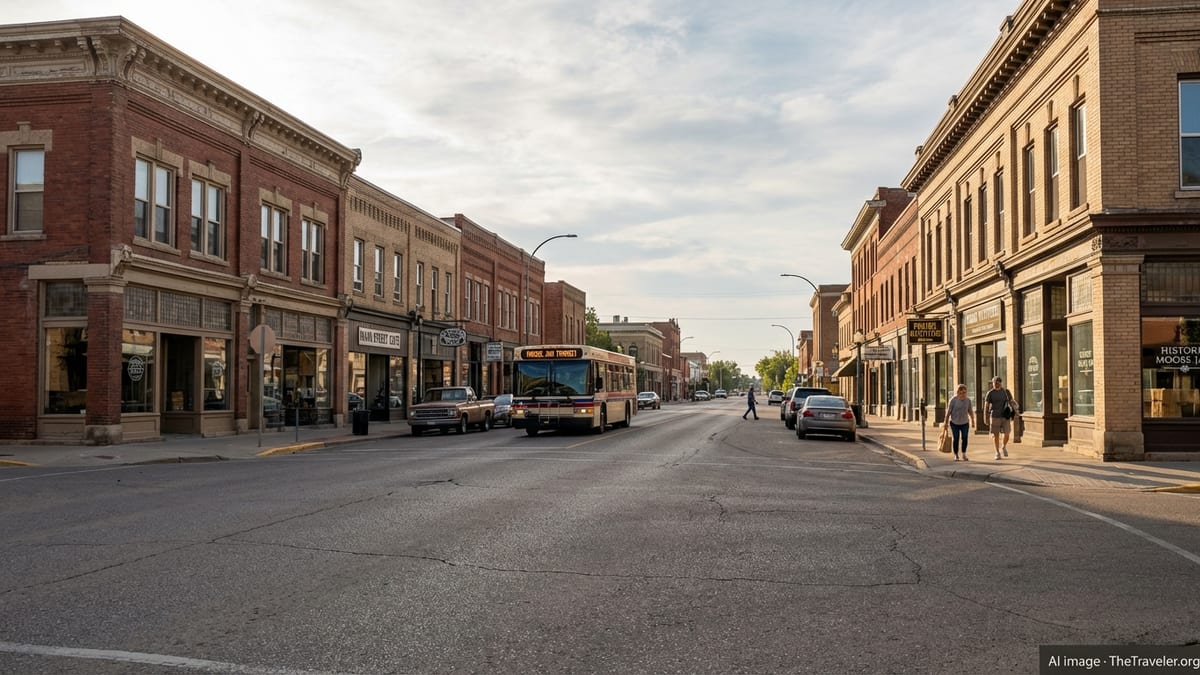
Understanding Moose Jaw’s Location and Travel Basics
Moose Jaw sits in south central Saskatchewan, roughly 70 kilometres west of Regina along the Trans Canada Highway. The city lies on flat prairie, which means approaches by road are straightforward and driving conditions are generally simple in good weather. Winters can be very cold with snow and ice, however, so itinerary planning should always factor in seasonal road and weather conditions.
The city itself is modest in size, with a population in the tens of thousands rather than the hundreds of thousands. That scale makes Moose Jaw fairly easy to navigate once you arrive, but it also means that long distance transport services, such as scheduled intercity buses or flights, are concentrated in larger nearby centres. In practical terms, most visitors will use Regina as their primary gateway and then connect onward by road to Moose Jaw.
For planning purposes, you can think of Moose Jaw as the regional hub for exploring southern Saskatchewan’s small towns, historic sites and parks, while Regina functions as your main arrival point by air or national bus. That two step pattern is very common for visitors and is usually the most efficient way to reach the city.
Because many services change seasonally or operate on limited timetables, it is sensible to check current schedules and opening hours shortly before travel. Using approximate timings and flexible expectations will help you adapt if a particular bus, shuttle or rental car option is not available when you arrive.
Arriving by Air and Connecting from Nearby Airports
The closest major gateway to Moose Jaw is Regina International Airport, located on the west side of Regina and roughly 40 to 70 kilometres from Moose Jaw depending on which part of the city you are heading to. Typical driving times from the terminal to Moose Jaw are around 45 to 55 minutes in normal conditions, making this by far the most convenient arrival point for most visitors arriving by air.
Regina International offers domestic flights to several Canadian cities and a selection of seasonal services. While it is not one of the country’s largest airports, it generally provides enough connectivity for international travellers to reach Moose Jaw with a single connection through a larger Canadian hub. Once you land, onward travel to Moose Jaw is entirely by road, using airport transfers, rideshares, taxis or rental cars.
Saskatoon John G. Diefenbaker International Airport is a secondary option located several hours to the northwest by car. It sometimes offers a broader range of flight choices, but the distance means that anyone using Saskatoon as a gateway should plan for a road journey of roughly three hours or more each way to Moose Jaw. This is realistic for those combining Moose Jaw with a wider Saskatchewan itinerary, but less practical for short city breaks.
When booking flights, it is wise to allow extra connection time if you are arriving late in the evening. Rideshares and taxis between Regina and Moose Jaw can operate 24 hours a day, but rental car desks and some scheduled transfer services may keep more limited hours. Confirming your late night transport in advance helps avoid being stranded in Regina after your flight.
Driving to Moose Jaw: Highways, Conditions and Practical Tips
For many travellers, especially those already within Western Canada, driving is the simplest and most flexible way to reach Moose Jaw. The city sits just off the Trans Canada Highway, known in Saskatchewan as Highway 1, which runs east west between Regina and Swift Current. The drive from Regina to Moose Jaw typically takes about 45 to 60 minutes, with a distance in the range of 65 to 75 kilometres depending on your exact start and end points.
If you are driving from Regina International Airport, you will usually follow city streets or connector routes to join the Trans Canada Highway heading west. Once on the highway, the route is direct with few junctions, and signage for Moose Jaw appears well in advance of the city exits. The landscape is largely flat prairie, with long sightlines that make navigation stress free in daylight and clear weather.
Travellers coming from further afield in Saskatchewan or neighboring provinces will often reach Moose Jaw via the same Trans Canada Highway corridor. From Winnipeg, expect a full day drive across Manitoba and eastern Saskatchewan. From Calgary, the drive runs east through southern Alberta before crossing into Saskatchewan. In each case, Moose Jaw sits on the main route, so you do not need complex detours to include the city on a broader road trip.
Winter and shoulder seasons require additional caution. Prairie roads can be affected by blowing snow, black ice and strong crosswinds. Before setting out, check provincial highway condition reports and weather forecasts, allow extra time, and keep your fuel tank topped up between larger centres. In summer, plan for long stretches without services and carry water, snacks and a charged phone, especially if driving after dark.
Using Buses, Shuttles and Rideshares Between Regina and Moose Jaw
For visitors who prefer not to drive, it is still possible to reach Moose Jaw comfortably by combining intercity buses, local shuttles and app based rideshares. Intercity bus companies have periodically connected Regina and Moose Jaw, sometimes as part of longer routes across the Prairies. Service levels and timetables can change, so it is important to verify current departures close to your travel date rather than relying on older information.
One common pattern is to arrive in Regina by national bus or long distance coach and then transfer to a short regional leg between Regina and Moose Jaw. Some carriers have historically offered several services a week linking the two cities, but availability can vary with demand and seasonality. When bus schedules are not convenient for your flight or train arrival, rideshare services and taxis can fill the gap, especially for late night or early morning travel.
Ridesharing apps operate between Regina International Airport and Moose Jaw, offering door to door service in around 45 to 55 minutes in typical traffic. Recent estimates suggest that ride costs on this route can be relatively high compared with short city trips, reflecting the 40 plus kilometres involved, but they remain a straightforward option for solo travellers who do not want to rent a car. Taxi services from Regina can also be arranged, often at similar journey times, and can be pre booked through local companies.
Some hotels and tour operators occasionally organize private shuttles or shared transfers for groups, particularly during festivals, sports tournaments or large events. If you are visiting Moose Jaw for a specific conference or group trip, it is worth asking organizers whether such transport has been arranged, as it can significantly simplify your arrival and departure logistics.
Getting Around Moose Jaw by Car, Taxi and Rideshare
Once you are in Moose Jaw, getting around by car is uncomplicated. The street network is laid out on a simple grid, and driving distances within the city are short. Traffic volumes are generally modest compared with larger Canadian cities, and parking is usually easy to find outside of a few busy downtown blocks and popular attractions during peak times.
Visitors arriving by air through Regina often choose to rent a car at the airport and keep it for the entire trip. This approach offers maximum flexibility for exploring nearby attractions such as Buffalo Pound Provincial Park, regional museums and rural sites outside city limits. Main routes connecting Moose Jaw with surrounding areas include the Trans Canada Highway and provincial roads that branch north and south toward smaller communities and recreation areas.
Within the city, local taxi companies operate standard meter based services. They can be useful if you prefer not to drive at night or if you are staying close to the downtown core and only need occasional rides. Booking by phone remains common, although some companies also offer app or web based booking tools. Wait times are usually short in central areas but can be longer in outlying neighborhoods or at very busy times such as after major events.
Rideshare apps that serve Regina may also operate in and around Moose Jaw, though coverage can be less dense than in larger cities. That means that you might occasionally wait longer for a driver or find fewer vehicles available at off peak hours. As a backup, keeping the numbers of one or two local taxi companies saved in your phone is a sensible precaution.
Navigating Moose Jaw on Foot, by Bicycle and via Public Transit
Moose Jaw’s size and layout make it friendly for walking, especially if you are staying in or near the central area. Many hotels, restaurants, historic buildings and visitor attractions are clustered within a relatively compact core, so it is often possible to string several stops together in a single walking route. Sidewalks are common in central neighborhoods, and crossings in the downtown area are frequent and well marked.
For travellers who like to cycle, Moose Jaw offers a mix of on street routes and multi use paths. Distances between key points such as hotels, parks and attractions are short enough that a bicycle can be an efficient way to get around in warmer months. If you are bringing your own bike on a road trip, it is usually easy to store it at hotels or ride directly from your accommodation. Dedicated bike hire services may be limited, so checking availability in advance is sensible if you do not have your own equipment.
The city also runs a fixed route public transit system with buses serving main corridors and residential areas. Current information from the municipality indicates a standard flat fare for regular services, with options such as cash fares, multi ride tickets and monthly passes for adults, students and seniors. The system includes a downtown transfer point where routes intersect, allowing passengers to change buses to reach different parts of the city.
Schedules, routes and stop locations are updated from time to time, particularly around the start of school terms and during budget cycles. In recent years the city has adjusted individual routes, added and removed stops, and introduced options to purchase passes through a mobile app. Before relying on transit for specific commutes, check the latest maps and timetables from the municipal transit department or posted notices at major stops.
Seasonal Considerations and Accessibility in Getting Around
Weather is one of the most important factors to consider when planning how you will get around Moose Jaw. Winters in southern Saskatchewan are often very cold, with temperatures well below freezing, snow on the ground and limited daylight. Walking and cycling are still possible but require appropriate clothing, footwear with good grip and a willingness to adjust plans when conditions worsen.
Public transit and road networks continue to function through winter, but delays can occur during storms or extreme cold. Allow extra time for waiting at outdoor bus stops, and consider using taxis or rideshares during the coldest snaps, especially at night. Drivers who are not accustomed to winter conditions should slow down, increase following distances and avoid unnecessary trips during heavy snowfall or icy periods.
Spring and autumn bring more moderate temperatures, but wind and sudden weather swings are still common. Summer is generally the most comfortable season for walking and cycling, with long days and warm temperatures. However, visitors should still plan for sun protection and carry water during outdoor activities, as prairie sunshine can be intense.
Moose Jaw also offers options for travellers with mobility challenges. The city operates a paratransit service in addition to its fixed route buses, providing door to door transport for eligible riders who cannot easily use regular transit. Many public buildings, hotels and attractions provide ramps, elevators and accessible washrooms, reflecting modern building standards. When booking accommodation or tours, it is advisable to mention any specific accessibility needs so that local providers can suggest the most suitable rooms and services.
The Takeaway
Reaching Moose Jaw and moving around the city is straightforward once you account for the region’s geography and climate. Most international and long distance visitors will arrive by air through Regina, then continue to Moose Jaw by car, taxi, rideshare or bus. Drivers benefit from a direct route along the Trans Canada Highway, while those who prefer not to drive can rely on a mix of transfers and local services to cover the relatively short distance between the two cities.
Once in Moose Jaw, the compact layout, modest traffic and simple street grid make local travel easy. Walking and cycling work well for central neighborhoods in warmer months, while taxis, rideshares and the municipal transit system fill in the gaps year round. With a bit of advance planning around winter weather, schedules and accessibility needs, you can move through the city efficiently and focus on enjoying its historic streets, public art and welcoming prairie atmosphere.
FAQ
Q1. What is the nearest airport to Moose Jaw?
The nearest major airport is Regina International Airport, located roughly 40 to 70 kilometres east of Moose Jaw depending on the specific route and destination in the city.
Q2. How long does it take to drive from Regina to Moose Jaw?
The drive between Regina and Moose Jaw usually takes about 45 to 60 minutes in normal conditions, using the Trans Canada Highway that links the two cities.
Q3. Is there public transit within Moose Jaw?
Yes. The city operates a fixed route bus system with several lines, a downtown transfer point and fare options that include cash payments, multi ride tickets and monthly passes.
Q4. Can I get to Moose Jaw without renting a car?
Yes. You can combine intercity buses, airport transfers, taxis and rideshare services between Regina and Moose Jaw, although options and schedules vary, so checking current information is important.
Q5. Is Moose Jaw walkable for visitors?
The central area of Moose Jaw is compact and generally walkable, with many hotels, restaurants and attractions located within comfortable walking distance of each other, especially in warmer months.
Q6. Are rideshare services available between Regina Airport and Moose Jaw?
Rideshare apps operate between Regina International Airport and Moose Jaw, typically offering trips of around 45 to 55 minutes, though prices and availability can vary by time of day and demand.
Q7. What is driving like in Moose Jaw during winter?
Winter driving can involve snow, ice and strong winds, so reduced speeds, greater following distances and careful attention to weather and road reports are recommended for safety.
Q8. Does Moose Jaw have services for travellers with mobility issues?
Yes. Moose Jaw operates a paratransit service and many hotels, attractions and public buildings provide accessible entrances and facilities. It is best to confirm specific needs when booking.
Q9. Is cycling a practical way to get around Moose Jaw?
In spring, summer and early autumn, cycling can be a convenient way to cover short distances in Moose Jaw, especially if you bring your own bike or arrange access through local providers.
Q10. How far is Moose Jaw from larger Canadian cities?
Moose Jaw is about an hour’s drive from Regina, several hours by road from Saskatoon and roughly a full day’s drive from major prairie centres such as Calgary or Winnipeg, depending on route and stops.