

Planning a multi region trip across Ontario is like designing several different holidays and then weaving them into one journey. From world famous waterfalls and cosmopolitan skylines to cottage country lakes and remote northern roads, the province’s 13 official tourism regions offer a striking variety of landscapes and experiences. With some thoughtful route planning and realistic timing, you can link a handful of these regions into a trip that feels ambitious yet still relaxed.
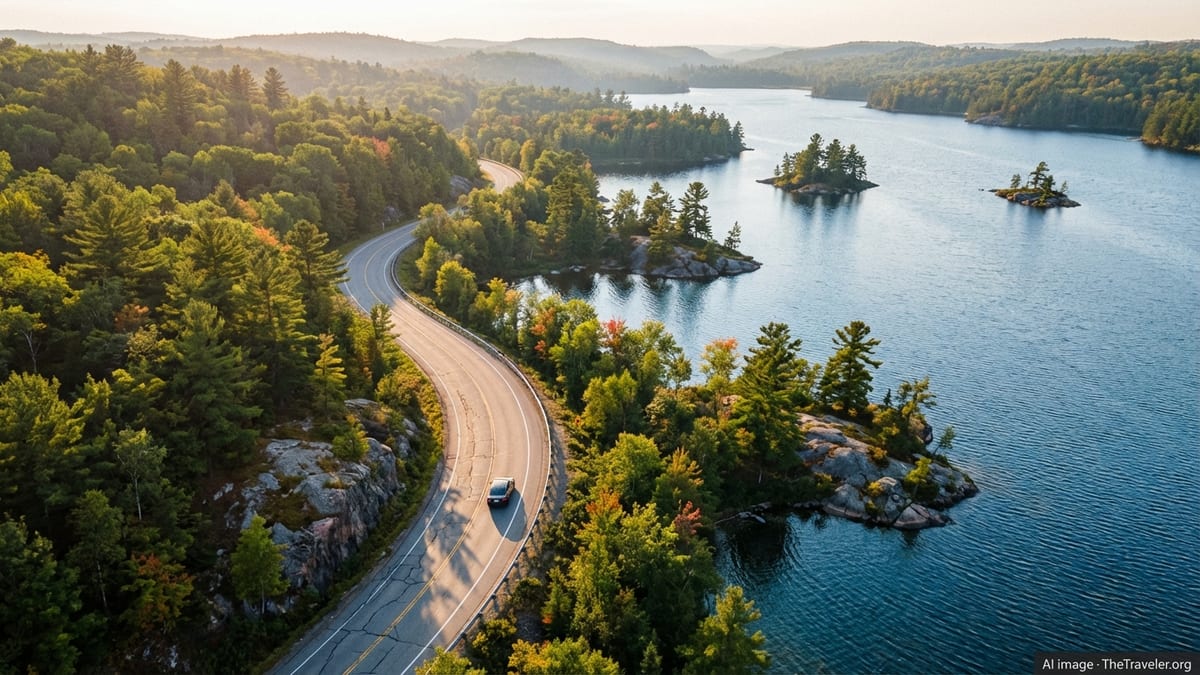
Understanding Ontario’s Tourism Regions and Distances
Ontario is divided into 13 official tourism regions, stretching from the vineyard covered Niagara Peninsula in the south to the vast boreal forests of Northwestern Ontario. The government and Destination Ontario use these regions to group together destinations with similar character, infrastructure and travel patterns, which is helpful when you are trying to plan a multi stop itinerary. Southwestern Ontario, the Niagara Region, Greater Toronto Area, Bruce, Grey and Simcoe, Kawarthas and Northumberland, Southeastern Ontario, Ottawa Region, Haliburton Highlands to the Ottawa Valley, Algonquin Park–Muskoka–Parry Sound, Northeastern Ontario, Sault Ste. Marie and Algoma, and Northwest Ontario each have distinct landscapes and trip styles.
On a map, these regions may look close together, but distances can be much greater than visitors expect. Driving from Windsor near the US border to Ottawa can take seven to nine hours depending on route and traffic, while Toronto to Thunder Bay is roughly a 15 hour drive even in good conditions. Once you leave the heavily populated corridor around Toronto and Ottawa, services and fuel stops become less frequent, and speed limits are lower than on many US interstates. When you plan a multi region trip, build your routes and overnight stops around realistic daily driving times rather than simple point to point distance.
For many travelers it helps to group regions into broad zones: the southern belt along the Great Lakes, the central interior that includes cottage country and Algonquin, the Ottawa and eastern corridor along the St. Lawrence River, and the expansive north that begins roughly around North Bay and Sudbury and continues to the Manitoba and Hudson Bay boundaries. Most one to three week trips will sensibly focus on two or three neighboring zones rather than trying to span the entire province. Using the official tourism region map and Ontario’s current road map will give you a clear picture of how places connect and which roads are major highways versus scenic secondary routes.
The multi region concept does not mean you must check off every area. Instead, think of the regions as building blocks you can combine creatively. A wine and culture traveler might focus on Niagara, the Greater Toronto Area, and Prince Edward County within Southeastern Ontario, while a paddler could weave together Algonquin Park–Muskoka–Parry Sound, Haliburton Highlands to the Ottawa Valley, and one of the northern regions. The key is understanding the scale of the province and choosing clusters of regions that can be traveled between without rushing.
Designing a Logical Multi Region Route
Once you have a sense of Ontario’s geography, the next step is to string regions together into a coherent route. Many visitors arrive through Toronto Pearson International Airport or by crossing the land borders at Niagara, Windsor, Sault Ste. Marie or the Thousand Islands. These entry points naturally lend themselves to different loop itineraries. If you arrive in Toronto, a classic loop might run from the city to Niagara wine country, back through Hamilton and the Bruce Peninsula, inland to Muskoka, then return via Kawarthas and Northumberland, completing a multi region circuit without significant backtracking.
Travelers entering through Niagara or Buffalo might start with Niagara Falls and surrounding vineyards before heading west across Southwestern Ontario to the Lake Huron shore, then turning north toward Bruce, Grey and Simcoe. From there you can continue into cottage country and Algonquin or cut back toward Toronto and the eastern regions. Those coming from Quebec or the northeastern United States via Ottawa and the Thousand Islands can work westward: starting with the Ottawa Region, then exploring Haliburton Highlands, Kawarthas and Northumberland, and finally connecting into the Greater Toronto Area and Niagara.
For visitors keen to incorporate Northern or Northwestern Ontario, one of the most efficient multi region structures is an out and back spine with shorter side loops. For example, you could drive from Toronto to Sudbury and Sault Ste. Marie, then continue along Lake Superior’s shore to Thunder Bay, adding overnight stops in smaller communities, lookout points and provincial parks. On the return, you can vary the route slightly or add a detour through Algonquin or Muskoka to introduce a different style of landscape before circling back to your starting point.
As you sketch your route, consider where you want to slow down and spend two or three nights, rather than constantly moving. Regions like Niagara, Muskoka, Prince Edward County, Bruce Peninsula, and the Ottawa Region reward lingering with day trips, wine tasting, cycling or paddling. Use these as multi night hubs and plan shorter regional side excursions from them. This hub and spoke model creates a sense of depth and relaxation even when the overall itinerary covers five or more regions.
Choosing Your Transport: Car, Train, Bus and Plane
Most multi region trips across Ontario rely primarily on a private vehicle, whether your own car, a rental or a campervan. The province has an extensive highway network, with multi lane 400 series highways linking major southern cities and two lane highways covering most other corridors. Driving gives you flexibility to detour to small towns, provincial parks, waterfronts and farm stands that would be difficult to reach on public transport. It also allows you to carry gear for camping, paddling or cycling, which opens up more regional experiences in cottage country and the north.
That said, it is possible to design a multi region trip without driving, especially if you focus on the more populated corridor. Intercity passenger rail operated by VIA Rail connects Windsor, London, Toronto, Kingston, Ottawa and Montreal along the so called Corridor. There are also rail routes north to places like Sudbury and to some communities near the shores of Georgian Bay. Intercity coach companies and regional bus services fill in many gaps between these hubs and smaller communities. If you rely on transit, plan fewer regions and longer stays in each, and prioritize areas with good local transport or tours such as Niagara, Toronto, Ottawa and parts of Southeastern Ontario.
For reaching the far north quickly, domestic flights can be a smart piece of a multi region puzzle. Commercial airlines and regional carriers operate routes from Toronto and Ottawa to cities such as Thunder Bay, Sault Ste. Marie, Sudbury, Timmins and other northern communities. You might, for example, spend several days in southern and central regions, then fly to Thunder Bay for a shorter, focused segment around Lake Superior, before flying back to Toronto to depart. This saves many hours of highway driving and lets you experience at least a taste of Northwestern Ontario on a limited schedule.
Whichever transport mix you choose, factor in seasonal realities. In winter and early spring, snow, ice and reduced daylight can slow driving significantly, especially in northern and rural regions. In high summer, weekend traffic around Toronto, cottage country and border crossings can create delays. Train and bus schedules can change seasonally and may not operate daily on all routes. Checking current timetables and leaving generous buffers between connections will help keep your multi region journey running smoothly.
Seasonal Timing and Regional Highlights
Ontario’s seasons are pronounced, and the best time to travel can vary by region and by the type of activities you enjoy. Late spring through early fall is the most popular window for multi region trips because roads are clear, days are long and lake based activities are in full swing. In May and June, southern regions such as Niagara and Southwestern Ontario burst into green, vineyards leaf out, and waterfalls run high with spring melt. Crowds are lighter than in peak summer, and temperatures are usually comfortable for cycling, hiking and city walking.
July and August bring warm to hot weather across the province, lively festivals and peak visitation, especially in Niagara, the Greater Toronto Area, Muskoka, Prince Edward County and the Ottawa Region. This is when beach towns along Lake Huron and Lake Erie, cottage country lakes, and national and provincial parks are at their busiest. If your multi region trip includes popular destinations in this period, book key accommodations and campsites well in advance and expect heavier traffic, particularly on Friday and Sunday afternoons near urban centers and border crossings.
Autumn can be a superb time to link multiple regions, especially those with forests and rolling hills. Late September and early to mid October often bring colorful fall foliage in areas like Algonquin Park, Haliburton Highlands, Bruce Peninsula and the Ottawa Valley. Cooler temperatures make hiking comfortable, and waterfront towns feel quieter once summer crowds disperse. In wine regions such as Niagara and Prince Edward County, fall harvest season adds vineyard activity and tastings tied to the new vintage, while orchards across Southwestern and Eastern Ontario offer seasonal produce and country drives.
Winter transforms much of Ontario into a snow based playground, although a multi region itinerary at this time of year requires more careful planning. Southern regions can be milder but still see frequent snow and ice, while northern and highland regions become hubs for cross country skiing, snowshoeing, snowmobiling and ice fishing. Places like Muskoka, Haliburton and parts of Northeastern Ontario actively market winter getaways. If you decide on a multi region winter trip, limit the number of long driving days, favor well serviced routes, choose accommodations that are open year round, and allow for possible storm days when you simply stay put and enjoy the local area.
Sample Multi Region Itineraries
Because Ontario is so large, the most satisfying multi region itineraries are those that maintain a clear theme while sampling varied landscapes. A classic one week route for first time visitors arriving in Toronto might include three nights in the city, two nights in Niagara, and two nights in Muskoka. In this scenario you experience an urban skyline, major museums and dining, then shift to vineyards and Niagara Falls, and finish on a lake in cottage country before returning to Toronto to depart. Although this touches three distinct tourism regions and a wide range of scenery, the driving distances remain manageable.
With 10 to 14 days, you could design a southern Ontario loop that adds Prince Edward County and the 1000 Islands region along the St. Lawrence River. Starting in Toronto, you might spend time in the city, then visit Niagara, trace the north shore of Lake Erie through Southwestern Ontario, head north toward the Bruce Peninsula, cross through cottage country to Algonquin Park–Muskoka–Parry Sound, then turn east toward Ottawa. From there, follow the river through the Thousand Islands and back toward Kingston and Prince Edward County, before returning to Toronto. This kind of loop touches several tourism regions yet can still offer two night stops in key places so you are not packing and unpacking daily.
Travelers drawn to wild landscapes can craft a central and northern itinerary. For instance, you might start in Toronto or Ottawa, spend time in Algonquin and the Haliburton Highlands, then continue to North Bay and Sudbury before heading west to Sault Ste. Marie and along the Lake Superior shore toward Wawa and Thunder Bay. Each of these steps involves substantial driving, so many people choose to spend at least two nights in places like Algonquin, Sault Ste. Marie and Thunder Bay. This type of trip reveals a different side of Ontario that emphasizes granite ridges, pine forests, big water views and smaller northern communities.
Shorter getaways of four to five days can still be multi region in nature if you focus on neighboring areas. A long weekend could pair Niagara with Hamilton and the Bruce Peninsula, or couple Ottawa with the nearby Ottawa Valley and a slice of the Laurentian style highlands around Calabogie. Another compact option is to combine Toronto with nearby wine country, either in Niagara or in Prince Edward County, using the city as your arrival and departure point. In each case, pay attention to how much time you want to spend in transit versus on the ground, and be prepared to trim the number of regions to preserve a sense of relaxation.
Budgeting, Booking and Practical Logistics
Costs across Ontario can vary considerably between regions and seasons, so a realistic budget is an important foundation for a multi region trip. Major cities such as Toronto and Ottawa tend to have higher hotel and restaurant prices, with peak rates around busy summer weekends and major events. Niagara Falls also sees premium pricing near the falls and during holiday periods. Cottage country regions like Muskoka and popular lakeside communities along Lake Huron and Lake Ontario often command high rates for waterfront stays in July and August. In contrast, smaller inland towns and northern communities can offer better value, especially outside local peak seasons.
Booking early for high demand periods is wise. Provincial park and national park campsites in places like Algonquin and Bruce Peninsula are known to sell out quickly for summer weekends and prime fall foliage dates. Private cottage rentals around popular lakes often book months ahead. In cities, you may find more last minute flexibility except during major festivals and conferences, but prices typically rise closer to stay dates. For multi region trips, lock in your anchor nights early, especially where alternatives are limited, and leave some flexibility in less pressured parts of the itinerary where you might adjust as you go.
Fuel and food are widely available in southern and central regions, but become more spaced out once you head into Northern and Northwestern Ontario. On long driving days, especially along stretches of Highway 11 and Highway 17, it is sensible to top up your tank when you have a chance rather than waiting until the gauge runs low. Carrying drinking water, snacks and basic emergency supplies is a good practice, particularly in winter or on days when you are driving remote segments with limited cell coverage.
Practical details such as mobile coverage, bank access and payment methods are generally straightforward. Cellular networks are strong in and between major southern communities but can become patchier in more remote northern areas, especially away from main highways. Credit and debit cards are widely accepted for accommodation, dining and fuel, though it is still wise to keep some Canadian cash for smaller purchases, rural businesses or occasional cash only situations. Travel insurance that covers medical care and trip interruptions is advisable, particularly if you plan to be active outdoors or venture into sparsely populated regions where weather or road issues could affect your schedule.
Connecting with Culture, Parks and Local Experiences
One of the rewards of a multi region Ontario trip is the opportunity to experience the province’s cultural and natural diversity. In cities like Toronto, Ottawa and Hamilton, you can visit major museums, galleries, performance venues and diverse neighborhoods that reflect communities from around the world. In Niagara, Prince Edward County and parts of Southwestern Ontario, wine and culinary tourism are well established, with wineries, farm to table restaurants and farmers’ markets that celebrate local produce. Many regions also highlight Indigenous heritage and current Indigenous led tourism experiences, from guided walks and cultural centers to craft studios and community events.
Provincial and national parks are key anchors for many regional itineraries, especially if you enjoy hiking, camping, paddling or wildlife viewing. Algonquin, Bruce Peninsula, Point Pelee, Killarney, Lake Superior and numerous smaller parks offer marked trails, campgrounds and backcountry routes. When your trip spans several regions, consider including at least one or two parks that represent different landscapes, such as a Lake Erie marsh and a rocky Canadian Shield lake. Be mindful of park regulations, permits for backcountry travel, reservation systems and seasonal closures, all of which can vary between locations.
Local festivals and events can add color to your route if dates align. Summer often brings music and theater festivals in places like Stratford and Niagara on the Lake, while fall harvest season fills town calendars with country fairs, studio tours and food focused events. Winter festivals, ice sculptures, skating trails and holiday markets in cities and smaller communities can be highlights of cold season itineraries. Because events schedules change from year to year, it is best to check regional tourism organization listings close to your travel dates and remain flexible about which specific events you aim to attend.
Spending time in smaller communities between headline destinations can deepen your sense of Ontario as a lived in place rather than just a collection of sights. Stop in lakeside villages for coffee, wander main streets in farming towns, visit local museums and heritage centers, and talk with residents about their favorite nearby trails or viewpoints. These informal encounters often shape lasting memories and may lead you to quieter corners of each region that are rarely highlighted in broad overviews.
The Takeaway
Planning a multi region trip across Ontario begins with recognizing the province’s scale and diversity. The 13 tourism regions are not boxes to be ticked so much as distinct flavors you can combine in ways that match your interests, timeframe and comfort level with driving or public transport. By focusing on clusters of neighboring regions, building in hub style stays of two or three nights, and being realistic about travel days, you can design an itinerary that feels rich but not rushed.
Whether you prioritize city culture and food, vineyards and heritage towns, cottage country lakes, or the dramatic cliffs and forests of the north, there are logical ways to connect several regions into one journey. Paying attention to seasonality, advance bookings and road conditions will smooth the practical side, while leaving space for local festivals, side roads and chance encounters will bring the human and natural character of each region into sharper focus. With thoughtful preparation and a flexible mindset, a multi region Ontario adventure can feel like several different holidays unfolding within a single, memorable trip.
FAQ
Q1. How many regions should I realistically include in one Ontario trip?
For most travelers, focusing on two to five neighboring regions works well, depending on whether you have a long weekend, one week, or two weeks or more.
Q2. Do I need a car to plan a multi region trip across Ontario?
A car offers the most flexibility, especially beyond major cities, but you can combine trains, buses and occasional flights to link a smaller number of regions.
Q3. What is the best time of year for a multi region Ontario itinerary?
Late spring through early fall is the most convenient for driving and outdoor activities, with autumn offering excellent foliage in central and northern regions.
Q4. How far in advance should I book accommodations and campsites?
For peak summer, long weekends and popular parks, aim to book key stays several months ahead, especially in Niagara, Muskoka and well known provincial parks.
Q5. Is it realistic to drive from Toronto to Northern or Northwestern Ontario in one day?
While it is possible to reach cities like Sudbury or North Bay in a day, drives to Thunder Bay or beyond are very long and are better split into at least two days.
Q6. Can I visit both Niagara Falls and Lake Superior on the same trip?
Yes, but you will need sufficient time. Combining the far south and Lake Superior typically works best in trips of 10 days or longer with several substantial driving days.
Q7. How do I handle mobile coverage and navigation in remote regions?
Download offline maps before you travel, expect patchy coverage in some northern and rural areas, and carry paper map backups for long or remote drives.
Q8. Are multi region trips suitable for families with children?
They can be, provided you limit long driving days, build in frequent breaks, and choose kid friendly stops such as beaches, parks, interactive museums and short hikes.
Q9. What should I pack for a multi region trip that spans cities and wilderness?
Pack versatile layers, waterproof outerwear, comfortable walking shoes, sun and insect protection, and daypacks, while keeping city outfits simple and mixable.
Q10. How can I make my multi region trip more sustainable?
Choose fuel efficient transport, stay longer in each stop, support local businesses, minimize waste, and follow Leave No Trace principles in parks and natural areas.