

More news on this day
Hua Hin is emerging as one of Thailand’s most dynamic high-end destinations, with a surge in luxury property demand and expanding air connectivity from Thai AirAsia and China Eastern aligning to attract a new wave of affluent international buyers.
Get the latest news straight to your inbox!
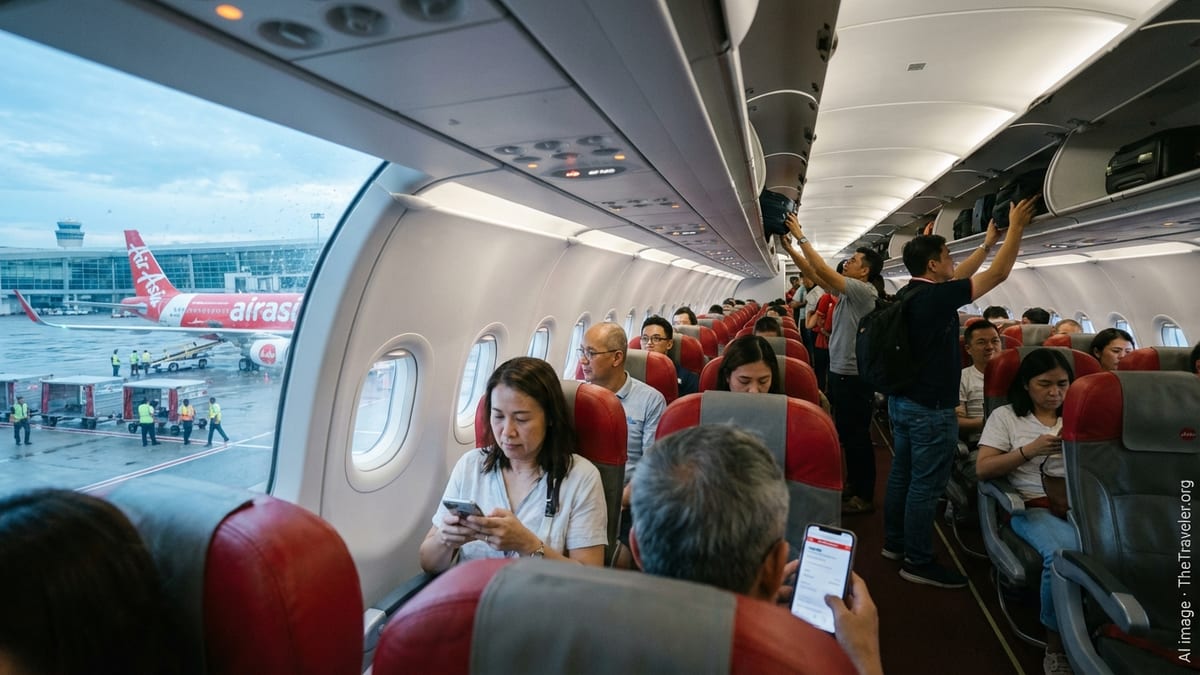
Airlines Target Hua Hin as Thailand’s Next Luxury Gateway
Recent route expansions by regional and Chinese carriers are sharpening focus on Hua Hin as an alternative gateway for premium travellers who once concentrated on Bangkok and Phuket. Industry coverage indicates that Thai AirAsia has been steadily widening its Thailand network from Bangkok’s Don Mueang and Suvarnabhumi airports, while China Eastern continues to build out its regional footprint from Chinese hubs, creating more seamless one-stop options into Hua Hin via Bangkok and other coastal cities.
Although Hua Hin Airport itself is only beginning to attract scheduled services, domestic capacity growth across the Thai network is making onward access to the resort easier. Reports on Thai aviation show Thai AirAsia operating the country’s broadest low-cost route map, with multiple daily links into Bangkok from secondary cities, feeding road and rail connections to Hua Hin. At the same time, China Eastern’s latest winter and summer schedules highlight aggressive international expansion, strengthening links between major Chinese cities and Thailand’s principal gateways.
Travel analysts note that this pattern of network growth is typical of emerging resort markets that move up the value chain. As higher-yield leisure travellers book five-star resorts and branded residences along the Gulf of Thailand, airlines pivot towards schedules that can support long-weekend trips, extended stays and second-home ownership, rather than short budget breaks alone.
New regional operators are also beginning to place Hua Hin directly on the route map. Published reports on Thailand’s boutique airlines show fresh domestic links from Hua Hin to southern resort cities such as Phuket and Hat Yai, complementing the broader network build-out by Thai AirAsia and China Eastern and reinforcing Hua Hin’s role in multi-stop itineraries that combine beach, golf and wellness.
Luxury Residences in Hua Hin Outpace Bangkok in Sales Momentum
Parallel to the aviation build-up, Hua Hin’s high-end residential market is showing some of the strongest sales momentum in Thailand. Property research on resort markets along the Gulf coast points to brisk absorption of branded beachfront residences and luxury villas, contrasting with a more selective recovery in segments of Bangkok’s condominium market.
Developers’ financial filings and research briefings highlight Hua Hin projects where premium units tied to international hotel brands have sold strongly to a mix of Thai and foreign buyers. One flagship beachfront residence under a global luxury hotel name reported robust take-up from regional investors seeking beachfront access and professional management, underscoring growing confidence in Hua Hin as a long-term lifestyle investment.
In Bangkok, by contrast, independent research by property consultancies describes a more polarized picture. While ultra-prime riverfront and central business district projects continue to command premium prices, mid-tier urban condos face slower sales in the face of tighter lending, rising household debt and a steady pipeline of new supply. This divergence is encouraging some wealthy Thai and expatriate buyers to redirect capital from small city apartments toward larger, resort-style homes in destinations such as Hua Hin.
Market watchers say price points in Hua Hin often compare favourably with Bangkok’s core luxury districts on a per-square-metre basis, especially when outdoor space, sea views and resort amenities are factored in. As a result, analysts describe a scenario in which Hua Hin is not necessarily cheaper overall, but is perceived to deliver more tangible lifestyle value for similar or slightly higher budgets.
Wealthy Global Buyers Drive a New Coastal Lifestyle Economy
Shifts in buyer demographics are also reshaping Hua Hin’s urban fabric. Published coverage of Thailand’s resort property markets notes increased interest from affluent buyers from Europe, East Asia and the Middle East, many of whom visit first as leisure travellers before committing to second homes or investment properties.
Developers and agents cited in these reports describe a clear tilt toward larger units, private pool villas and branded residences with hotel-style services. Facilities such as beach clubs, wellness centers, golf memberships and concierge services are seen as crucial differentiators in attracting globally mobile professionals, retirees and digital entrepreneurs seeking long-stay comfort rather than short holiday rentals.
Local business media also point to a broader lifestyle economy forming around this high-end residential base. Upscale restaurants, medical wellness clinics, international schools and co-working spaces are growing more visible in Hua Hin, mirroring patterns previously associated with Phuket and certain districts of Bangkok. This ecosystem, in turn, makes the destination more attractive for long-stay residents, reinforcing demand for premium housing.
Some analysts frame the trend as part of a wider “coastal shift” among wealthy Thai households, who are reassessing the trade-off between Bangkok’s congestion and the space and greenery offered by resort towns reachable within a few hours of the capital. Hua Hin, reachable by road and rail and increasingly well-linked by domestic air networks, is emerging as one of the principal beneficiaries of this recalibration.
Connectivity, Infrastructure and the Next Phase of Growth
The alignment of growing airline capacity and booming residential demand is sharpening questions about infrastructure and long-term planning in Hua Hin. Public documents on Thailand’s transport strategy reference proposed high-speed rail connections along the southern corridor that would link Bangkok to coastal provinces including Phetchaburi and Prachuap Khiri Khan, where Hua Hin is located. If realized, such projects could dramatically cut journey times and further integrate Hua Hin into the national transport grid.
In the nearer term, observers expect airlines such as Thai AirAsia to continue using Bangkok’s dual-airport system to funnel passengers toward coastal destinations by road, rail and emerging regional flights, rather than immediately rushing into large-scale scheduled services at Hua Hin Airport. For China Eastern and other Chinese carriers, the focus appears to be on reinforcing trunk routes into Bangkok and Phuket, which then serve as staging points for onward domestic travel.
Despite this, travel industry commentary suggests that Hua Hin’s rising profile as a luxury enclave will keep it on airline planners’ radar. As hotel room counts and residential occupancy climb, and as high-spending visitors demand greater convenience, incremental charters, seasonal routes or code-share services could follow, particularly from regional hubs in Southeast Asia and southern China.
For now, Hua Hin’s ascent illustrates how shifts in lifestyle preferences, property investment and aviation strategy can interact to reshape Thailand’s tourism geography. With Thai AirAsia and China Eastern broadening the network that surrounds it, and luxury residences attracting a growing pool of global capital, the seaside town is positioning itself as a serious rival to Bangkok for a particular class of affluent, experience-driven traveller and homeowner.