

More news on this day
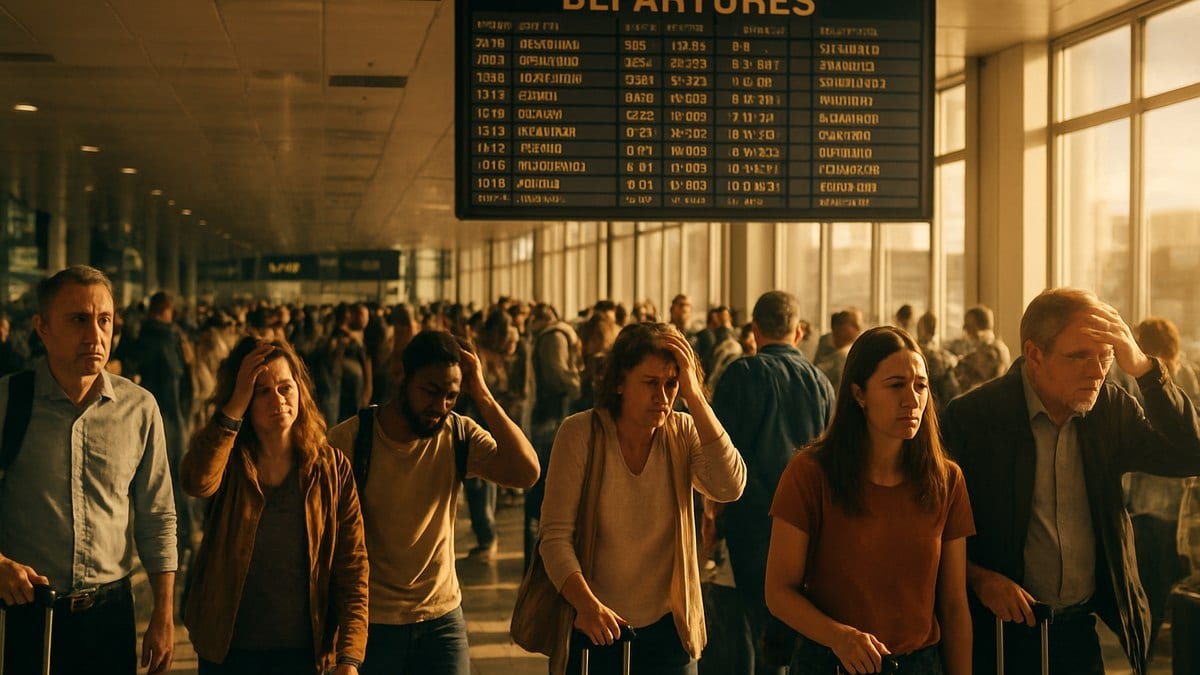
Travelers moving through Fort Lauderdale-Hollywood International Airport on April 11 faced extensive disruption, with publicly available tracking data indicating 149 delayed flights and multiple cancellations that rippled across domestic and international routes.
Get the latest news straight to your inbox!
Significant Schedule Turbulence at a Key South Florida Hub
According to aggregated flight-tracking figures and industry reports published over the weekend, Fort Lauderdale-Hollywood International Airport experienced one of the most disrupted travel days of early spring, with 149 flights delayed and 13 services cancelled. The disruption affected departures and arrivals throughout Saturday, straining the airport’s usual role as a fast‑turnover alternative to nearby Miami International.
Published coverage identifies a mix of low-cost and full-service carriers among those affected, including Spirit, Sun Country, Air Canada, Avianca and several other operators serving both U.S. and Latin American destinations. The delays ranged from shorter schedule slips of around 30 minutes to extended holdups stretching beyond two hours on some routes.
While the overall national picture on April 11 showed thousands of delays across multiple major hubs, the scale of disruption at Fort Lauderdale stood out relative to its typical performance and to nearby Miami, where separate reports logged fewer delays and cancellations. For many travelers connecting through South Florida, Fort Lauderdale is a key transfer point, magnifying the impact of each disrupted flight.
Real-time boards and third-party trackers showed affected routes stretching from major domestic markets such as Newark and Dallas to leisure destinations including Tampa and several Central and South American cities. The knock-on effect led to rolling gate changes and congested departure areas as airlines worked through backlogs.
Knock-On Impact for Hundreds of Passengers
Based on standard aircraft seating configurations on the carriers most prominently listed in the disruption data, the combination of 149 delays and 13 cancellations likely affected several hundred, and potentially more than a thousand, passengers either originating in Fort Lauderdale or connecting onward. Even when flights eventually departed, missed connections and rebookings extended the disruption well beyond Broward County.
For travelers arriving into Fort Lauderdale ahead of cruises, conferences or onward road trips, schedule instability translated into late-night hotel check‑ins, rescheduled ground transfers and, in some cases, abbreviated vacations. Social-media posts cited in local and national travel coverage described crowded gate areas and busy customer service desks through much of the day.
Travel operations analysts note that even a relatively small number of cancellations can have an outsized effect at a hub that handles dense short‑haul schedules. At Fort Lauderdale, where many carriers operate high-frequency routes using narrow‑body aircraft, one cancelled rotation can leave limited spare capacity to accommodate displaced passengers, particularly during peak weekend travel.
Once delays stack up, aircraft and crew are frequently left out of position for later departures, creating a rolling series of further schedule adjustments into the evening. Publicly available flight logs for April 11 indicate that some of the final departures from Fort Lauderdale left significantly behind schedule as airlines attempted to reset networks for the next day.
Airlines and Routes Most Affected
The latest figures compiled in travel-industry reporting highlight ultra-low-cost carrier Spirit Airlines as a central player in the April 11 disruptions at Fort Lauderdale, consistent with its status as one of the airport’s largest operators. Sun Country Airlines, Air Canada, Avianca and several other carriers also appeared prominently in delay and cancellation tallies.
Routes connecting Fort Lauderdale with major domestic markets such as Newark, Dallas, San Antonio and Tampa were among those flagged in published breakdowns. Several northbound services toward the U.S. Northeast, as well as international flights to Latin American destinations, experienced prolonged holds, leading to wider network implications as those aircraft were scheduled for subsequent legs.
Industry observers point out that Fort Lauderdale’s role as a gateway to Caribbean and South American leisure markets can amplify the sense of disruption. Many passengers on these routes travel on tight holiday schedules or are connecting between multiple carriers. When a departure is cancelled outright, rebooking options may be limited, particularly on smaller airlines with less frequent service.
Comparative data from the same day at other U.S. airports show that while some larger hubs logged a higher absolute number of delays, Fort Lauderdale’s concentration of affected flights within a relatively compact schedule window created an intense, localized bottleneck for travelers in South Florida.
Context Within Wider U.S. Flight Disruptions
The situation at Fort Lauderdale unfolded against a broader backdrop of disruption across the United States on April 11, with national totals running into several thousand delayed flights and more than one hundred cancellations, according to multiple aviation-tracking summaries. Major hubs including Chicago O’Hare, Los Angeles International and Hartsfield-Jackson Atlanta International also saw elevated delay counts, driven by a combination of operational and weather-related factors.
Travel-focused outlets note that Fort Lauderdale’s figures form part of a recent pattern in which clusters of delays at a handful of busy airports trigger ripple effects across airline networks. When disruptions occur simultaneously at several large hubs, aircraft and crews are more difficult to reposition, and recovery times lengthen.
In South Florida specifically, travelers have become accustomed to periodic schedule volatility linked to storms, heavy rain and seasonal traffic spikes. Historical data from recent years show that Fort Lauderdale-Hollywood International has recovered relatively quickly from weather episodes, but any concentrated period of delays still has the potential to impact connecting traffic throughout the Americas.
On April 11, publicly available information suggests that the Fort Lauderdale disruptions were part of this wider national trend rather than a singular, isolated incident, underscoring the continuing vulnerability of complex airline networks to compounding operational stresses.
What Travelers Can Learn From the April 11 Disruptions
Travel-advice columns and consumer advocates frequently stress that days like April 11 highlight the importance of real-time monitoring and flexible planning when flying through busy hubs such as Fort Lauderdale. By the time delay figures reached triple digits, many same-day rebooking options had already been exhausted, leaving only later departures or next‑day travel for some passengers.
Guidance commonly shared by airlines and travel experts suggests that passengers build additional buffer time into itineraries that involve tight connections in South Florida, particularly on weekends or during peak holiday periods. Early-morning departures often face less knock‑on disruption from earlier delays, and nonstop routes can reduce the risk of missed onward flights.
Consumer information also emphasizes the value of understanding each carrier’s policies on rebooking, meal vouchers and overnight accommodation in the event of extended delays or cancellations. While specific entitlements vary by airline and by cause of the disruption, having documentation ready and monitoring airline apps or airport displays can help travelers move more quickly when schedules begin to shift.
For Fort Lauderdale-Hollywood International Airport, the April 11 events serve as a reminder of the growing operational pressures on popular leisure and low-cost hubs. As airlines refine schedules for the coming peak summer season, aviation watchers will be tracking whether lessons from this disruption translate into more resilient operations on the busiest travel days ahead.