

More news on this day
Flight disruption continued to ripple across multiple continents on April 12, 2026, as tracking data highlighted 311 delayed departures and 29 cancellations affecting routes in Canada, the United States, China, Germany, Bahrain, Qatar and Russia.
Get the latest news straight to your inbox!
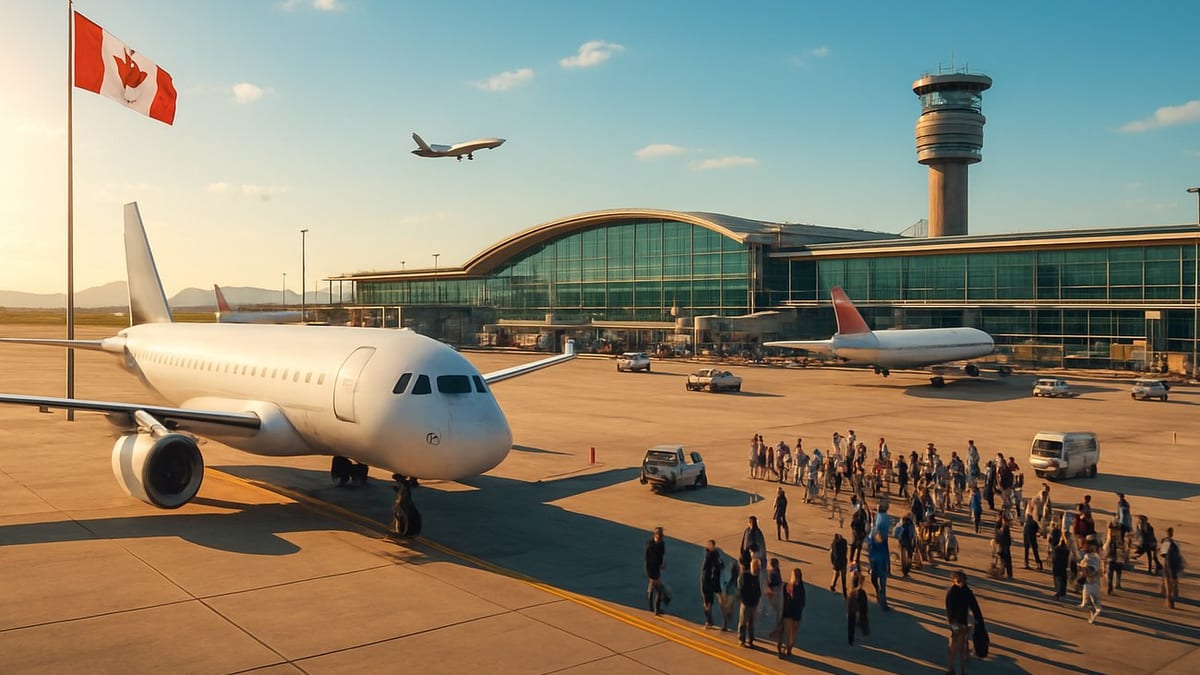
Scattered Disruptions Underscore a Fragile Global Network
The pattern of 311 delays and 29 cancellations did not stem from a single storm system or isolated airline technology failure. Instead, publicly available tracking dashboards and recent coverage point to a patchwork of operational strain, tight aircraft rotations and lingering airspace restrictions that continue to reshape flight schedules across several regions.
Canada and the United States saw a concentration of delays at large hub airports, where tightly timed connections make even modest schedule slippage highly visible to travelers. Recent reporting on congestion at major North American gateways indicates that crew duty limits, aircraft repositioning challenges and high spring demand are combining to magnify any disruption that appears early in the day.
In China and Germany, the latest delays layered onto networks already working through earlier weeks of industrial action, weather-related slowdowns and knock-on effects from changing long-haul routings. European carriers in particular have spent much of early April recalibrating operations after large-scale cancellations tied to labor disputes and constrained air traffic control capacity.
For Bahrain, Qatar and Russia, the disruptions recorded on April 12 form part of a broader realignment of air corridors and schedules following conflict-related airspace closures in parts of the Middle East. Analysts tracking these changes note that carriers have been forced to reroute or trim services, leaving less flexibility to absorb day-of-operation shocks.
Middle East Conflict and Airspace Closures Still Reshaping Routes
The latest figures for delays and cancellations cannot be separated from the wider impact of the 2026 conflict involving Iran and its regional repercussions. Safety advisories and airline schedule updates issued since late February have documented extensive closures or restrictions of key air corridors over the Gulf, affecting flights that normally link Asia, Europe, North America and Africa through hubs in Bahrain, Qatar and neighboring states.
Publicly available analyses of the war’s economic impact describe how large volumes of passenger and cargo traffic have been forced to detour around closed or partially restricted airspace. Longer routings increase fuel burn, add block time and reduce schedule resilience, leaving airlines with fewer spare aircraft and crews to handle irregular operations. When even a small number of flights are delayed in such a constrained system, ripple effects can quickly spread across continents.
Published coverage indicates that these airspace changes have prompted carriers in Europe and Asia to suspend or curtail services to several Gulf destinations in recent weeks. While the April 12 data from Canada, the United States, China, Germany, Bahrain, Qatar and Russia represents only a fraction of global traffic, it reflects the same vulnerability: a network where operational buffers have been eroded and recovery from disruptions takes longer than before.
Travel industry observers note that the Gulf region traditionally acts as a bridge between East and West, with Bahrain and Qatar hosting key transfer hubs for long-haul connections. When flights into or over these countries are delayed or canceled, passengers in faraway departure points such as Toronto, Chicago, Beijing or Frankfurt can feel the impact through missed connections, rerouted itineraries and overnight stays.
North American and European Hubs Face Rolling Operational Strain
North American and European airports have been contending with their own pressures, which fed into the disruptions recorded on April 12. In the United States, recent reports on performance at major hubs such as Detroit and Miami describe elevated delay levels driven by a mix of adverse weather, air traffic control staffing constraints and tight aircraft utilization as airlines try to meet robust demand.
Miami International Airport, for example, saw more than one hundred delays and a cancellation on April 12 alone, according to travel-industry monitoring reports. Those figures, while specific to a single hub, mirror broader patterns across the U.S. system, where route networks are heavily interconnected and disruptions in one city can cascade quickly, particularly on days with strong leisure and international demand.
In Europe, German airports are still working through the aftermath of recent strike actions at major carriers and ground-handling providers. Earlier in April, large numbers of cancellations at hubs such as Frankfurt and Munich left airlines with long rebooking queues and aircraft out of position. Even after normal schedules resumed, the lingering backlog has made operations sensitive to fresh shocks, contributing to the cancellations and delays counted on April 12.
These strains interact with the global context. Flights from Europe and North America that previously crossed the Middle East on more direct paths now often require longer routings or schedule adjustments. That additional complexity filters down to gate assignments, crew rotations and maintenance windows, all of which determine how quickly airlines can respond when weather or technical issues disrupt a particular rotation.
Asian Operations Adjust to Regional Imbalances
In Asia, China’s large domestic and international network continues to feel the knock-on effects of shifting long-haul demand and altered routing patterns. Recent regional coverage has documented thousands of delays and nearly two hundred cancellations across multiple Asian hubs in the days leading up to April 12, as carriers from China, Japan, Southeast Asia and the Gulf adjusted to airspace closures and demand swings.
The April 12 snapshot highlighting 311 delays and 29 cancellations across several countries includes traffic linked to Chinese hubs that serve as critical waypoints between North America, Europe and the broader Asia-Pacific region. When a departure from a Chinese gateway is delayed, onward services to destinations such as Germany, Bahrain, Qatar or Russia can be affected hours later, especially when aircraft are scheduled for tight turnarounds.
Operational data and industry commentary show that many Asian carriers have added block time to flights or rerouted services to avoid conflict zones, which can keep aircraft in the air for longer and reduce the number of daily rotations they can complete. This leaves planners with limited slack in the system, turning relatively minor weather or technical issues into more significant schedule disruptions.
Travel trackers indicate that passengers in Asia are responding by building more buffer time into itineraries, preferring longer layovers and favoring routes that avoid multiple conflict-adjacent hubs. However, on peak travel days in April, even these individual strategies may not be enough to avoid the wider operational turbulence reflected in the day’s global delay and cancellation counts.
Passengers Confront Longer Journeys and Uncertain Itineraries
For travelers caught up in the disruptions on April 12, the most immediate impact has been longer travel days, missed connections and last-minute changes to itineraries. Reports from consumer platforms and airline advisories emphasize familiar scenes at affected airports across Canada, the United States, China, Germany, Bahrain, Qatar and Russia: long queues at check-in and customer service counters, repeated gate changes and rolling departure estimates on information screens.
Passenger-rights guidance compiled in recent weeks encourages travelers to monitor flight status closely in the 24 hours before departure, use airline apps for real-time updates and arrive earlier than usual when traveling through hubs known to be under pressure. Where regulations allow, some travelers have sought refunds rather than rebooking when cancellations occur, particularly on complex international itineraries involving multiple carriers and regions touched by airspace restrictions.
Industry analyses suggest that airlines are attempting to manage expectations by publishing waivers and flexible change policies on routes most likely to be affected by conflict-related rerouting or operational strain. However, the combination of high seasonal demand and reduced network flexibility means that alternative seats may be limited, particularly for travelers trying to rebook at short notice from smaller cities in Canada, Russia or secondary Chinese markets.
With the April 12 numbers forming part of a broader trend of elevated disruption through early spring 2026, travel experts caution that passengers planning long-haul trips in the coming weeks should anticipate continued schedule volatility. Building extra time into connections, keeping itineraries as simple as possible and remaining flexible on travel dates may help reduce the risk of being caught in the kind of cascading delays and cancellations that marked the day’s operations across seven countries.