

More news on this day
Hundreds of passengers across Germany faced extended waits and missed connections today as Berlin, Munich, Frankfurt, Cologne, Düsseldorf and Hamburg reported 646 delayed and 28 cancelled flights, disrupting operations for Lufthansa, Pegasus Airlines, Eurowings, Ryanair and several other carriers.
Get the latest news straight to your inbox!
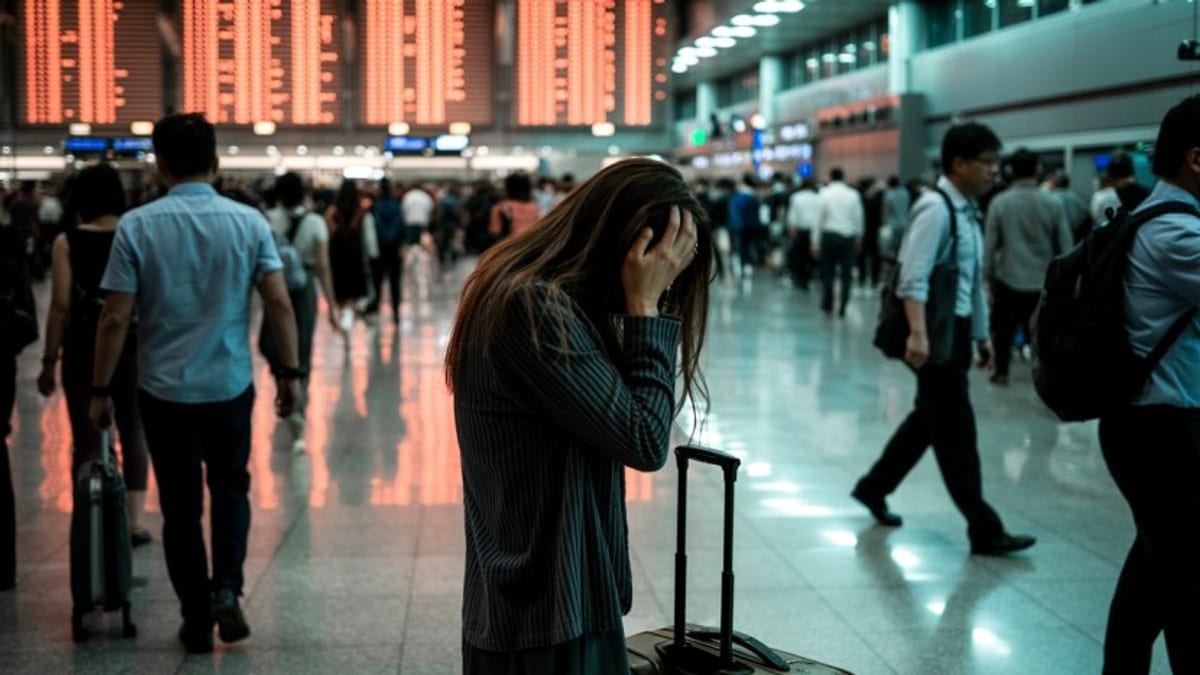
Image by Travel And Tour World
Widespread Disruption Across Germany’s Busiest Airports
Major German hubs reported an unusually high number of schedule disruptions, with publicly available tracking data showing 646 delayed departures and arrivals combined and 28 outright cancellations across Berlin, Munich, Frankfurt, Cologne, Düsseldorf and Hamburg. The wave of irregular operations affected both domestic and international routes, leaving long lines at check in counters and security lanes and putting pressure on already tight airport timetables.
Large network carriers such as Lufthansa bore much of the impact because of their reliance on Frankfurt and Munich as key connecting hubs, while point to point operators including Pegasus Airlines, Eurowings and Ryanair also experienced knock on effects. Passengers reported missed onward connections, last minute gate changes and extended waits on the ground as aircraft were repositioned and new slots allocated.
Operational strain at multiple airports at the same time tends to magnify delays across the system, since aircraft and crews are shared across several rotations during the day. As disruptions mounted, even flights not directly affected by the initial problems began to depart behind schedule, extending the impact well into the evening peak.
Knock On Effects For Flag Carrier And Low Cost Airlines
The day’s disruption was particularly visible in the networks of Lufthansa and its subsidiaries, which rely on dense schedules through Frankfurt and Munich to feed long haul traffic. When rotations into or out of those hubs run late, aircraft and crews often arrive out of sequence, forcing airlines to push back subsequent departures or substitute equipment at short notice.
Low cost and leisure focused carriers were not spared. Eurowings, which operates an extensive intra European network from German bases including Düsseldorf, Cologne/Bonn, Hamburg and Berlin, saw several of its short haul departures held at the gate while airport ground handling and air traffic flow were reset. Ryanair and Pegasus Airlines, which operate to and from German airports on high density routes, also encountered extended turnarounds and altered timings as slots became scarce.
Published coverage and schedule data in recent months have highlighted how tightly timed European networks leave little margin when adverse conditions or infrastructure constraints occur. Once an early morning rotation is significantly delayed, many operators struggle to recover their timetables before the end of the operating day, especially at slot constrained hubs where late evening and night operations are restricted.
Weather, Infrastructure And Capacity Pressures Under Scrutiny
While the precise combination of factors behind today’s figure of 646 delayed flights and 28 cancellations varied by airport, recent experience across Germany points to a mix of weather related disruption, infrastructure limitations and staffing or capacity pressures. Earlier this year, winter storms brought heavy snow, freezing rain and strong winds to northern and central Germany, leading to significant transport disruption at airports in Hamburg and parts of North Rhine Westphalia, with backlogs sometimes lasting beyond the initial weather window.
In addition to weather, German airports have been managing the lingering effects of tight staffing and infrastructure capacity after the sharp recovery in passenger demand. Previous summers saw ground handling bottlenecks and air traffic control constraints across parts of Europe, resulting in longer processing times, delayed pushbacks and secondary impacts on airlines’ on time performance. Analysts note that even when overall staffing levels improve, temporary shortages at security, baggage or air traffic control can quickly affect punctuality on busy travel days.
Technology resilience has also been under discussion in the wider European context following major IT outages in recent years that forced some airlines and airports to issue boarding passes by hand and suspend digital check in. Although today’s disruption in Germany has so far been characterized primarily by operational and scheduling knock ons, the industry has been placing greater emphasis on contingency planning to avoid cascading failures when systems or infrastructure come under strain.
Passenger Experience And Rights Under EU Rules
The surge in delays and cancellations left many travelers facing missed holidays, business meetings and family events, as well as practical challenges such as securing rebooked flights, overnight accommodation and alternative ground transport. Long queues at customer service desks are a common feature of such days, particularly when multiple airlines across terminals are affected at the same time.
Under European Union legislation on air passenger rights, travelers on flights departing from EU airports are entitled to specific forms of assistance during long delays and cancellations, including refreshments, communication, and where necessary hotel accommodation. Depending on the length of delay, distance of the flight and cause of disruption, they may also be eligible for financial compensation. However, when airlines can attribute disruption to extraordinary circumstances such as severe weather or certain third party failures, compensation may not apply even though care obligations remain.
Consumer advocates frequently advise travelers to document their experience carefully, retain boarding passes and booking confirmations, and submit claims directly to airlines once operations have stabilized. Given the complexity of determining whether a particular delay falls under compensable categories, some passengers turn to specialist claim services, while others prefer to pursue reimbursement independently using carrier claim portals.
Broader Concerns Over Reliability Ahead Of Peak Travel Periods
The scale of delays across six of Germany’s key airports today is likely to reignite debate over the resilience of the country’s aviation system ahead of upcoming holiday peaks and major events that are expected to draw additional visitors. Germany’s airports form critical nodes in Europe’s wider air traffic network, handling large volumes of connecting passengers and freight, so any prolonged disruption can quickly spill over into neighboring countries.
Recent years have already seen a series of challenges to European aviation, from sudden demand rebounds after the pandemic and staffing shortages to strikes, severe weather episodes and isolated technology outages. Industry observers note that while punctuality metrics have improved in some periods, large scale disruption days remain a recurring feature and can erode traveler confidence.
Today’s pattern of 646 delays and 28 cancellations across Berlin, Munich, Frankfurt, Cologne, Düsseldorf and Hamburg underlines how quickly strain can build when several busy hubs face concurrent operational pressures. As airlines and airports work through the backlog, passengers planning near term trips through German hubs are likely to monitor flight status updates closely and allow additional buffer time for connections, both in the air and on the ground.