

More news on this day
Hundreds of travelers on a British Airways flight from London to Houston recently found themselves unexpectedly marooned for days on the remote island of Newfoundland after an emergency diversion, igniting renewed scrutiny of how airlines plan for long-haul disruptions in isolated locations.
Get the latest news straight to your inbox!
Medical Emergency Triggers Sudden Diversion to Newfoundland
According to published coverage, the incident began when a passenger suffered a medical emergency on a British Airways flight operating between London and Houston. The crew diverted to St. John’s, the main city on the island of Newfoundland in eastern Canada, which is a regular diversion point for transatlantic traffic due to its strategic location on great-circle routes.
Reports indicate that after landing in freezing late-winter conditions, the aircraft remained on the ground for an extended period while the unwell traveler received attention and operational arrangements were assessed. Passengers later described spending hours on the parked jet before being allowed to disembark, a situation made more difficult by the cold climate and the uncertainty about onward travel plans.
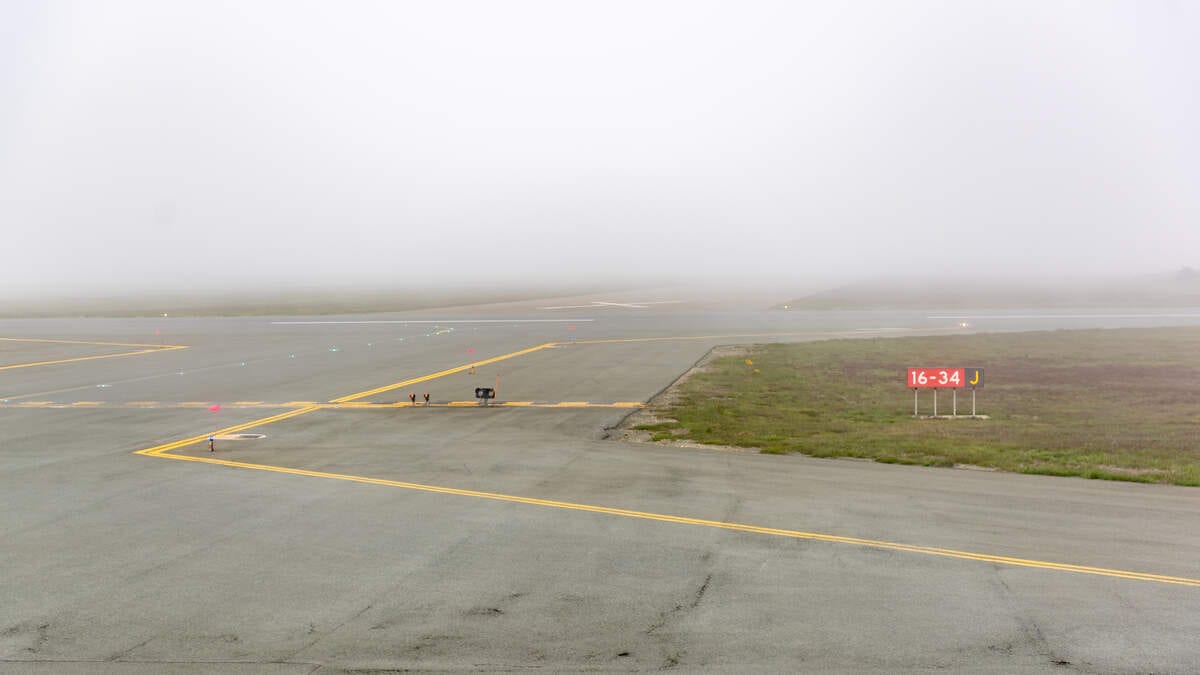
St. John’s International Airport serves as a key technical stop and emergency diversion field, but it is not typically configured to accommodate several hundred unexpected long-haul passengers for multiple days. That reality shaped what followed, as limitations in local infrastructure and airline staffing complicated efforts to quickly move travelers onward to their destinations.
Publicly available information shows that the diversion ultimately evolved from a short-term detour into a multi-day interruption, with passengers still on the island long after the initial medical situation had been resolved.
From Overnight Disruption to Multi-Day Stranding
What initially appeared to be an overnight disruption stretched into a much longer ordeal. Reports indicate that weather, crew-rest rules, aircraft availability, and the need to reposition equipment all contributed to a delay measured in days rather than hours. Some passengers were eventually accommodated at hotels across the St. John’s area, while others faced more limited options as rooms filled up.
Coverage from Canadian and international outlets describes travelers shuttling between the airport and local accommodation, repeatedly checking for updates on replacement flights. Many reportedly had no access to their checked luggage, leaving them to cope with sub-zero temperatures using only what they had carried on board.
Accounts shared publicly suggest that communication was one of the most contentious issues. Passengers described receiving fragmented or changing information about when they would depart, whether their original aircraft could be used, and how connections and onward tickets would be handled. For some, the uncertainty around timing and rebooking added as much stress as the initial emergency landing itself.
The disruption highlighted how quickly a precautionary diversion can evolve into what stranded travelers experienced as an extended marooning, especially when the incident occurs on an island with finite hotel capacity and limited airline staffing.
Remote Island Logistics Expose Airline Vulnerabilities
Newfoundland’s geographic position makes it a vital safety net for transatlantic aviation, yet that same remoteness can magnify the impact of a diversion. Publicly available information on the incident in St. John’s, along with similar past events in other isolated locations, illustrates how airlines must balance safety-first decisions with the practicalities of housing, feeding, and rebooking hundreds of people far from major hubs.
In this case, reports indicate that British Airways had to coordinate with local ground handlers, catering providers, and regional transportation operators on short notice. Bringing in a replacement aircraft or crew from outside the region added further complexity, given the distance from primary bases and the need to respect flight-duty limitations.
Observers note that while retaining checked baggage in the hold is standard practice for a short diversion, multi-day disruptions on a remote island can make that rule particularly uncomfortable for passengers. Travelers affected in Newfoundland reported being unable to access cold-weather clothing, medication, and other essentials packed in their suitcases, underscoring how routine procedures can have outsized consequences in unusual circumstances.
Aviation analysts have pointed out in public commentary that the incident fits a broader pattern seen in past diversions to remote islands and northern airports, where infrastructure is safe and functional but not scaled for sustained long-haul disruptions. The Newfoundland experience is now being cited as a case study in how such vulnerabilities play out for ordinary travelers.
Passenger Experiences Range From Frustration to Local Hospitality
Accounts shared in news reports and on social media capture a spectrum of passenger experiences. Many travelers voiced frustration at what they viewed as poor information flow and an ad hoc response to basics such as meals, hotel assignments, and transportation between the airport and accommodations. Some described long queues, sparse staffing, and conflicting messages about when they might finally leave the island.
At the same time, local coverage from Newfoundland highlighted acts of hospitality from residents and businesses attempting to ease the disruption. Reports indicate that some hotels and restaurants extended hours or adjusted services to support the influx of stranded travelers, and that community members took to online platforms to offer guidance on clothing, supplies, and local amenities.
For many passengers, the episode appears to have unfolded as an improbable mix of hardship and unexpected tourism. Travelers who had never planned to visit Newfoundland suddenly found themselves navigating icy sidewalks, sampling regional food, and learning about the island’s maritime history, all while anxiously refreshing airline apps in search of rebooked flights.
Yet the underlying uncertainty remained a defining feature. With work, family commitments, and missed connections accumulating in the background, even small delays or unclear announcements could feel magnified, reinforcing the perception among some passengers that their needs were secondary to the operational challenges facing the airline.
Questions Raised Over Contingency Planning for Long-Haul Routes
The Newfoundland stranding has prompted discussion across the travel and aviation community about what constitutes adequate contingency planning for long-haul routes that routinely cross remote regions. Commentators in industry publications have questioned whether airlines operating such flights should maintain more robust playbooks for large-scale diversions, including pre-arranged hotel blocks, clearer communication frameworks, and better access to essentials like clothing and medication when bags remain in the hold.
Publicly available analysis suggests that regulatory regimes already require safety-focused diversion planning, emphasizing fuel reserves, medical response and suitable alternate airports. The discussions now gaining traction focus less on those core safety mandates and more on the passenger-experience dimension of being unexpectedly stranded for days in an isolated setting.
Consumer advocates cited in media coverage argue that transparent communication, early distribution of basic supplies, and realistic timelines can significantly reduce the stress of such events, even when delays are unavoidable. The Newfoundland episode is being referenced as a reminder that clear expectations and visible support may matter as much to travelers as the technical details of aircraft maintenance or crew scheduling.
As airlines continue to expand long-haul networks over oceans and sparsely populated regions, the experience of passengers stranded for days on a remote island after a flight diversion is likely to remain a touchstone in debates over how carriers can better align safety imperatives with humane and resilient disruption management.