

More news on this day
Hundreds of British Airways passengers spent days stranded on the remote island of Newfoundland after their London to Houston flight diverted to St. John’s because of a medical emergency, triggering an extended disruption that has drawn scrutiny of the airline’s handling of the incident.
Get the latest news straight to your inbox!
Medical Emergency Leads To Unexpected Island Stop
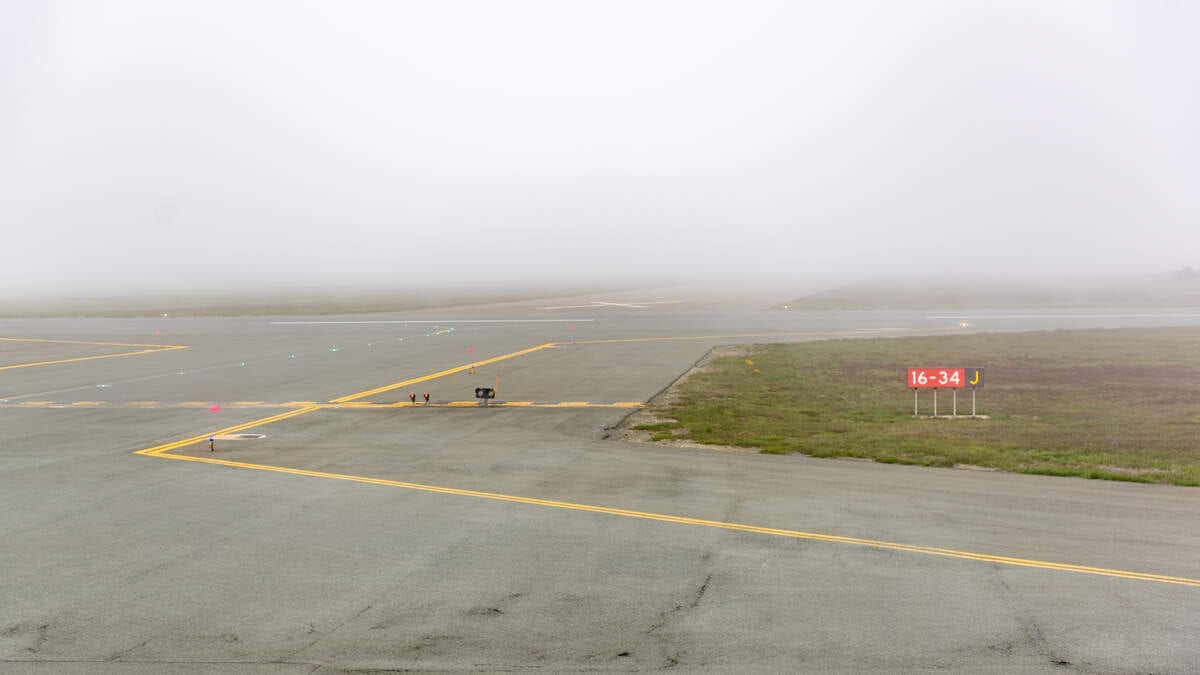
According to published coverage, the disruption began when a British Airways service from London Heathrow to Houston was forced to divert after a passenger suffered a medical emergency mid-flight. The aircraft landed at St. John’s International Airport, on the far eastern edge of Canada, where the traveler in need of care could be met by medical services on the ground.
Public reports indicate that once the aircraft was on the ground and the affected passenger disembarked, the remaining travelers initially expected to continue to their destination after a short delay. Instead, they remained on board for several hours before learning that the flight would not be departing as planned. Coverage in aviation and local media points to a combination of technical concerns and crew duty-time limits as factors that prevented the aircraft from immediately resuming its journey.
With the flight effectively halted in St. John’s, the passengers found themselves unexpectedly marooned on an island more than 2,000 miles from Texas. For many, the stop was their first encounter with Newfoundland, a sparsely populated Atlantic province whose capital is often used as an alternate airport for transatlantic operations but rarely as an overnight waystation for an entire widebody load of travelers.
The diversion itself aligned with standard aviation practice prioritizing passenger health and safety. It was the length and management of the subsequent disruption, however, that quickly became the focus of international attention as stories from the stranded group began to spread.
Days Of Delays In Subfreezing Conditions
Reports from passengers and local outlets describe a disruption that stretched across multiple days, with travelers experiencing temperatures well below freezing while they attempted to navigate changing instructions and limited information. Weather data cited in news coverage show daytime highs in the low 20s Fahrenheit and nighttime lows in the teens during the period of the diversion, creating a stark contrast between the climate on the ground and the expectations of those bound for Texas.
Many passengers were reportedly moved to hotels in St. John’s for overnight stays, but coverage suggests that accommodation and food arrangements were uneven, with some travelers describing late-night returns to their rooms and limited access to meals. The combination of fatigue, cold weather and uncertainty over onward travel plans contributed to rising frustration among the group.
Publicly available accounts indicate that passengers were instructed to return to the airport the day after the diversion, anticipating a continuation to Houston. Instead, they learned that the aircraft would first be flown back to London, reversing the transatlantic leg before any onward journey to the United States. That decision added an extra layer of complexity for those with tight connections, work commitments and family plans in Texas and beyond.
By the time the original group finally reached Houston, several days had elapsed since their scheduled arrival. Travel analysts observing the situation noted that while diversions to airports such as St. John’s are not uncommon for transatlantic flights, it is rare for passengers to be stranded for this length of time in such an isolated and wintry location.
Passenger Frustration And Questions Over Communication
As the disruption unfolded, passengers turned to social media and interviews with news outlets to describe their experiences. Published coverage highlights a wave of criticism focused less on the initial diversion and more on how information was shared, how long key decisions took and how support was organized during the unplanned stay in Newfoundland.
Several accounts referenced in media reports describe confusion at the airport and hotels, with travelers uncertain about flight times, baggage access and meal arrangements. Some said they learned significant updates about their situation only after seeing posts online or hearing from fellow passengers, underscoring perceptions that official communication channels were slow or inconsistent.
Commentary in travel industry publications suggests that the incident has reignited broader debate around airlines’ responsibilities when diversions strand passengers far from home. Analysts point to the importance of rapid, transparent communication and clear ground support, particularly in locations that lack the capacity to suddenly host several hundred unexpected guests in peak travel periods or harsh weather.
In this case, reports indicate that the airline did eventually provide hotels, meals and rebooking assistance, but many travelers felt those measures were undermined by the length of the delay and the perceived lack of timely updates. The episode has prompted renewed discussion of whether existing passenger protections sufficiently address complex, multi-day disruptions triggered by medical or operational factors.
Remote Hub Highlights Challenges Of Diversion Planning
The incident has drawn attention to the unique role that airports like St. John’s play in global aviation. Situated on an island in the North Atlantic, the facility is frequently identified in operational planning as a suitable diversion point for transatlantic flights due to its location, runway length and infrastructure. However, travel experts note that there are inherent challenges in accommodating a full long-haul flight for more than a brief stopover.
Local coverage from Newfoundland emphasizes that while the city is the provincial capital, it remains relatively small compared with major international hubs. Hotels, restaurants and transport services are not typically configured to absorb hundreds of unexpected overnight visitors at once, particularly in cold-weather months when conditions can slow ground logistics and limit movement.
Aviation analysts observing the situation point out that airlines operating long overwater routes must balance safety-driven diversion decisions with contingency planning for passenger welfare on the ground. That planning can be particularly complex when the nearest suitable runway is in a remote or weather-exposed location, where supplies, staffing and alternative transport options are constrained.
The events in St. John’s have therefore become a case study in how a single medical emergency can cascade into a multi-day disruption for an entire cabin, especially when the diversion point is geographically isolated. Commentators suggest that the episode is likely to feature in future discussions about diversion strategies, crew scheduling and ground support preparedness along busy transatlantic corridors.
Human Stories And A Spotlight On Newfoundland
Beyond operational questions, the diversion has spotlighted the human side of long-haul air travel when plans go abruptly awry. Passengers’ accounts compiled in news reports include stories of families improvising activities for children in hotel lobbies, business travelers attempting to work remotely from unfamiliar surroundings and elderly travelers navigating mobility challenges in icy conditions.
At the same time, local media in Newfoundland have highlighted the response from residents and businesses in St. John’s, describing efforts by hotels, restaurants and airport staff to extend hospitality to the sudden influx of visitors. Reports from the island note that many travelers, while frustrated with the overall disruption, praised individual acts of kindness and assistance they encountered during their stay.
The incident has also drawn global attention to a part of Canada that many transatlantic passengers typically see only from cruise itineraries or in-flight maps. Coverage in travel sections and regional outlets has described the rugged landscapes, maritime culture and strong sense of community that characterize Newfoundland, even as the island’s isolation created challenges for the diverted flight.
For the hundreds of travelers who found themselves unexpectedly stranded there for days, the experience is likely to remain a defining travel story for years to come. For airlines and regulators, the events surrounding the diversion are emerging as a reminder that the logistics of safely reaching a runway are only one piece of the puzzle when a long-haul journey is suddenly and dramatically interrupted.