

More news on this day
Indonesia’s islands are surging to the top of global wish lists in 2026, with recent awards for Bali and rising arrivals across the archipelago positioning the country as one of the world’s hottest travel destinations.
Get the latest news straight to your inbox!
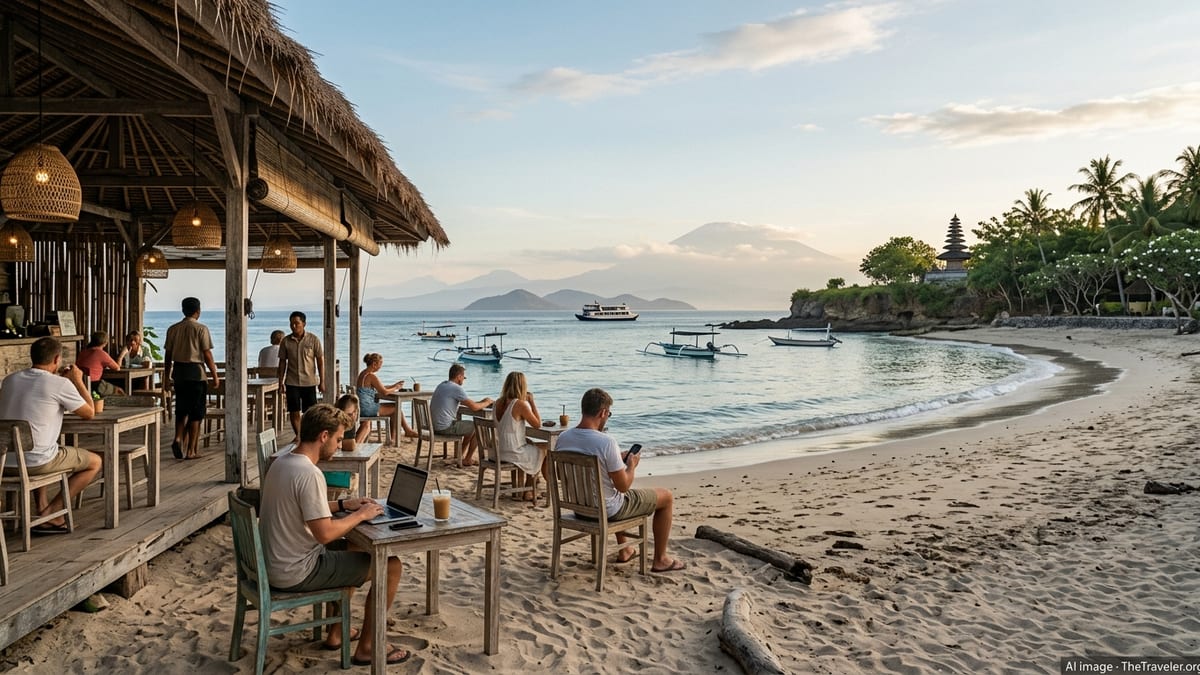
Why Indonesia Is Dominating 2026 Travel Lists
Recent international rankings place Indonesia, and particularly Bali, firmly at the center of global travel attention. Industry coverage notes that Bali has again been recognized among the world’s leading destinations for 2026, while domestic and inbound tourism data point to a strong rebound in visitor numbers across the country. These trends reflect a wider shift in traveler preferences toward nature-rich, culturally distinctive destinations that still offer modern comforts and connectivity.
Indonesia’s scale is central to its new appeal. With more than 17,000 islands, the country offers a spectrum of experiences within a single itinerary: spiritual retreats in Bali, volcanic treks in Java, surf breaks in Lombok, wildlife encounters in Komodo, and world-class diving in Raja Ampat. Travel industry reports highlight that this diversity is helping Indonesia capture demand from both short-stay holidaymakers and longer-stay remote workers looking for an extended base in Asia.
Government and industry initiatives are also reshaping the visitor experience. Public information from tourism agencies describes ongoing work to disperse visitors beyond the busiest parts of Bali, promote “priority destinations” such as Labuan Bajo and Lake Toba, and invest in infrastructure like regional airports and digital visitor tools. This combination of global attention and domestic investment is turning Indonesia into a headline destination for 2026 and beyond.
At the same time, discussions within the travel trade underline that rapid growth brings challenges. Concerns about overtourism in parts of Bali, pressure on water supplies, and the need to protect fragile marine ecosystems are prompting calls for more responsible visitor behavior. For modern explorers, this makes careful planning and on-the-ground awareness essential components of a successful trip.
Visas, Entry Rules and Timing Your Trip
Indonesia’s entry rules have been updated in recent years, with new options that aim to balance revenue from tourism with easier access for visitors. Publicly available immigration guidance outlines several main pathways, including a classic Visa on Arrival for many nationalities, an electronic version that can be arranged online before departure, and longer-stay options for specific purposes. Travelers are advised to confirm current eligibility, fees, and permitted lengths of stay directly with official immigration resources or their airline before booking.
Reports from traveler forums in early 2026 indicate that the Electronic Visa on Arrival has become a popular choice, particularly for visitors heading first to Bali. The process typically involves applying online, selecting tourism as the purpose of travel, and receiving approval before boarding. Once in Indonesia, many visitors then arrange an extension through local immigration offices or licensed agents to turn a 30-day stay into a 60-day visit, though procedures and requirements can vary by location.
Timing is another critical factor in ensuring a smooth island journey. Indonesia’s tropical climate brings distinct wet and dry seasons that differ slightly between regions. Bali and much of southern Indonesia usually experience a drier period from roughly April to October, while rains intensify around the turn of the year. Travel advisories also highlight that the country sits on the Pacific Ring of Fire, so volcanic activity and related air traffic disruptions can occasionally affect itineraries. Travelers are encouraged to monitor airline notifications and official advisories close to departure.
For multi-island trips, logistics deserve extra attention. Domestic air and sea connections have expanded, but weather, demand spikes, and operational issues can cause delays. Many experienced visitors recommend building buffer days between major segments, particularly when linking remote areas such as Raja Ampat or Flores with international flights out of Bali or Jakarta.
Health, Safety and Environmental Realities On the Ground
Indonesia’s appeal is closely tied to its wild landscapes, from coral reefs and rainforests to volcanic peaks. That same geography creates specific health and safety considerations that modern explorers need to factor into their plans. International health bodies recommend consulting a travel clinic several weeks before departure to review routine vaccinations and region-specific risks such as mosquito-borne diseases. Many travelers also choose to carry basic medication for stomach upsets and dehydration, which are common issues in hot, humid conditions.
Drinking water quality is a recurring concern in travel reports. Tap water is generally not considered safe for visitors in most parts of Indonesia, and bottled or filtered water is widely used even by long-term residents. Travelers are usually advised to drink only sealed bottled or properly filtered water, use it for brushing teeth, and be cautious with ice and raw foods from informal vendors. In popular destinations, many hotels and cafes now provide refill stations aimed at reducing plastic waste while keeping guests hydrated.
Published coverage on environmental pressures in Indonesia highlights growing stress on coastal and marine ecosystems, particularly around Bali and other heavily visited islands. Issues such as plastic pollution, coral damage from careless snorkeling and anchoring, and strain on freshwater resources have prompted a wave of sustainability campaigns. Visitors can support these efforts by choosing operators that follow reef-safe practices, avoiding single-use plastics where possible, and respecting local rules on protected areas and wildlife interactions.
Personal safety in Indonesia is generally comparable with other major tourism destinations in Southeast Asia, but the usual urban and beach-resort precautions apply. Petty theft, traffic accidents involving scooters, and occasional scams feature in traveler accounts. Travel experts often recommend using licensed taxis or reputable ride-hailing services, wearing helmets when renting scooters, and storing passports and excess cash in hotel safes. Comprehensive travel insurance that covers medical evacuation and adventure activities remains strongly advised.
Island Hopping Without the Headaches
For many visitors, the dream of Indonesia is an island-hopping itinerary that glides from volcanic backdrops to quiet bays. Turning that dream into a smooth reality requires planning that goes beyond simply booking a ticket to Bali. Travel planning discussions increasingly stress the importance of clustering destinations geographically to avoid unnecessary backtracking and long transit days.
One common pattern involves combining Bali with neighboring Lombok and the Gili Islands, linked by fast boats and short flights. Another focuses on East Java’s volcanoes, such as Mount Bromo and Ijen, before continuing by sea to Bali. Further east, routes connecting Labuan Bajo, Komodo National Park, and Flores appeal to visitors prioritizing wildlife and dramatic seascapes. Those aiming for Raja Ampat or other areas of eastern Indonesia should be prepared for multiple domestic flights and higher overall costs, rewarded by some of the most pristine marine environments in the region.
Transport infrastructure is improving, but industry reports and traveler feedback note that services can be inconsistent. Fast boats may be affected by sea conditions, and delays on ferry routes are not unusual. Booking with reputable operators, checking recent reviews, and avoiding tight same-day connections between boats and flights are common recommendations. Seasonality also matters, with rougher seas more likely during peak monsoon periods in particular regions.
Digital tools are playing a bigger role in simplifying these journeys. Regional tourism boards and private operators are promoting mobile applications for ticketing, local navigation, and event information. In North Bali, for example, a dedicated visitor app has been launched to guide travelers to lesser-known attractions and services. Using such tools alongside offline maps can help visitors navigate beyond the busiest resort strips without losing their bearings.
Cultural Etiquette and Responsible Island Exploration
Indonesia’s status as a leading travel destination in 2026 is built not only on scenery but on the depth of its cultures. The archipelago spans hundreds of ethnic groups and languages, with distinct customs on each island. Travelers who take time to understand local expectations often report more rewarding interactions and fewer misunderstandings, particularly in communities that are adjusting to rapid tourism growth.
Simple steps can make a significant difference. Guidance from cultural organizations and local tourism campaigns emphasizes modest dress in villages and at religious sites, covering shoulders and knees and removing shoes where requested. In Bali’s temples, sarongs and sashes are commonly provided, but bringing a light scarf or cover-up is useful for unplanned visits. Public displays of affection are generally discouraged in more conservative areas, and alcohol consumption is best kept discreet outside dedicated venues.
Photography is another sensitive area as visitor numbers increase. Best practice is to ask permission before photographing people, avoid drones near temples or wildlife without explicit approval, and respect signage that prohibits cameras at sacred ceremonies. Travelers are also urged to treat animals ethically, favoring sanctuaries and excursions that follow recognized welfare standards over staged wildlife interactions.
With Indonesia’s tourism sector expanding rapidly, many destinations are revisiting regulations on behavior, accommodation, and environmental protection. New rules have been introduced in several areas of Bali to address noise, waste disposal, and conduct at religious sites, while some national parks are exploring visitor caps or partial closures to protect fragile ecosystems. Modern explorers who stay informed, follow posted guidelines, and support businesses that prioritize sustainability can help ensure that Indonesia’s rise as the world’s hottest island destination remains compatible with local communities and environments.