

More news on this day
The 2026 Iran war is inflicting an estimated €600 million a day in lost visitor spending across the Middle East, as grounded aircraft, airspace closures and security fears unravel one of the world’s fastest-growing tourism regions.
Get the latest news straight to your inbox!
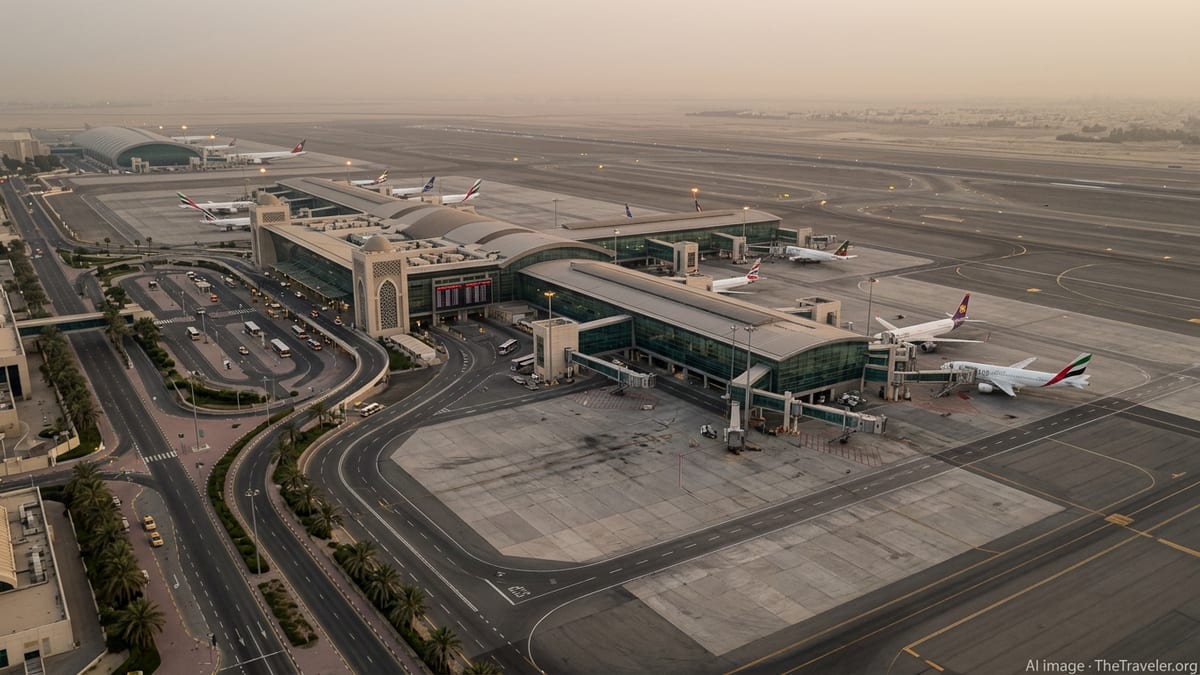
Airspace Closures Turn Gulf Hubs into Bottlenecks
Publicly available aviation and industry data show that the conflict has rapidly transformed the Gulf’s role from a seamless bridge between continents into a choke point. Large sections of airspace over Iran and neighboring waters have been restricted or closed, forcing airlines to cut frequencies, reroute long-haul services or suspend Middle East operations entirely.
Major international carriers as well as regional airlines based in the United Arab Emirates, Qatar, Kuwait and Bahrain have halted or sharply reduced flights to key hubs. Reports indicate that thousands of daily flights have been canceled or diverted in recent days, stranding passengers and adding hours of flying time to routes between Europe, Asia, Africa and Oceania.
Industry figures referenced by travel analysts suggest that the Middle East’s big hub airports, which typically handle tens of millions of transit passengers a year, are operating far below normal capacity. With each canceled or diverted flight, the region loses high-spending transit visitors who might otherwise have booked stopover hotels, shopping excursions or onward leisure trips.
According to travel and tourism sector assessments, these cascading disruptions are a core driver of the estimated €600 million in daily losses, as airlines, airports and destination markets absorb the shock of a sudden collapse in connectivity.
Hotels, Tour Operators and Cruise Lines Count Mounting Losses
On the ground, hotels from Dubai and Abu Dhabi to Muscat and Doha are reporting widespread cancellations, particularly from European and Asian markets that rely on Gulf carriers for access. Trade associations and travel federations in Europe estimate that tour operators face billions of euros in lost revenue for the 2026 season due to trips routed through the Middle East being postponed or scrapped.
Publicly available figures from national tourism bodies indicate that countries such as the United Arab Emirates, Saudi Arabia, Qatar, Oman and Bahrain collectively welcomed tens of millions of visitors in recent years, with tourism and business travel contributing a growing share of non-oil GDP. The current collapse in inbound and transit traffic is now reversing that momentum, with occupancy rates falling and forward bookings sharply down.
The cruise sector, which had been building new itineraries around Gulf and Red Sea ports, is also under pressure. Regional media coverage describes multiple cruise ships diverting away from Middle Eastern ports or cutting voyages short amid insurance concerns and route uncertainty, depriving local economies of shore-excursion spending that supports guides, restaurants and small retailers.
Economic estimates compiled by tourism consultancies suggest that when lost hotel nights, canceled package tours, unused conference facilities and curtailed cruise calls are aggregated, they form a substantial share of the €600 million in daily regional losses attributed to the war.
Spillover Pain for Destinations Beyond the Conflict Zone
The financial damage is not confined to frontline states or Gulf monarchies. Travel industry statements from Italy, Russia and Asia point to a wider shock reverberating through global tourism flows that depend on Middle Eastern aviation links. Italian travel businesses, for example, have warned that cancellations tied to the conflict and disruptions at Gulf transit hubs could cost the country billions of euros in 2026 tourism revenue.
Russian tour operators have reported heavy losses as holiday demand for traditional sun-and-sea destinations such as Turkey, Egypt and the United Arab Emirates weakens amid war-related fears and reduced air capacity. Analysts note that even if hotels and resorts outside the immediate conflict area remain physically untouched, travelers often perceive the broader region as a single risk zone.
Asian economies are also feeling the impact as higher fuel costs and longer flight paths feed into airfares. Business press coverage across South and Southeast Asia describes governments responding to the war-driven oil price spike with emergency measures, while travel agents report growing reluctance among long-haul travelers to route through the Middle East.
These knock-on effects mean that the estimated €600 million in daily losses to Middle Eastern tourism reverberate through supply chains stretching into Europe, Asia and Africa, hitting airlines, tour companies and hospitality operators far from the front lines.
Risk Premiums and Insurance Costs Reshape Travel Economics
Insurance and risk assessments highlight another layer of pressure on the tourism economy. Specialist market analysis indicates that war-risk premiums for aircraft using Gulf airspace and ports around the Strait of Hormuz have surged since the conflict escalated, raising operating costs for carriers and shipping companies alike.
For tourism, these higher premiums translate into more expensive tickets, thinner route margins and, in some cases, the suspension of services that are no longer commercially viable. Cruise lines and yacht operators considering Gulf and Red Sea itineraries must now factor in significantly higher insurance outlays, security requirements and contingency planning.
Industry observers say the widening gap between perceived risk and actual on-the-ground safety is particularly damaging. Even destinations hundreds of kilometers from any military activity, such as parts of the eastern Mediterranean and Indian Ocean that rely on Gulf transit, face rising insurance costs simply because of their proximity to affected air and sea corridors.
As the conflict continues, analysts warn that these structural changes to aviation and maritime risk pricing could outlast the fighting itself, embedding a lasting premium into any leisure or business travel that passes through the region and complicating recovery prospects for Middle Eastern destinations.
Long-Term Threat to Ambitious Tourism Visions
The war arrives just as several Middle Eastern countries were investing heavily to reposition themselves as global tourism and lifestyle hubs. Vision documents and official strategies published in recent years by governments in Saudi Arabia, the United Arab Emirates, Qatar and Oman outlined plans for new megaprojects, cultural districts, eco-tourism zones and entertainment complexes designed to attract tens of millions of international visitors annually.
Those plans assumed a stable security environment and reliable aviation connectivity. With the war disrupting both, financial analysts now question whether some large-scale projects will be delayed, scaled back or reprioritized toward domestic rather than international visitors. Bond markets and ratings commentary have already highlighted tourism and aviation weakness as key downside risks for Gulf diversification efforts.
Heritage experts also point to the cultural cost of prolonged conflict. Damage to historic sites in Iran reported by international media and cultural organizations has raised concerns that travelers may hesitate to visit not only the country itself but also neighboring states with shared cultural landscapes, undermining cross-border itineraries built around archaeology, religious pilgrimage and history.
Regional tourism bodies are beginning to explore recovery scenarios that range from a rapid rebound if hostilities ease quickly to a protracted downturn if insecurity and elevated insurance costs persist. Under the latter scenario, the current estimated €600 million in daily lost tourism revenue could represent just the opening chapter in a longer struggle to restore traveler confidence and rebuild the Middle East’s hard-won reputation as a global crossroads.