

More news on this day
Ireland has joined a growing list of countries working to assist nationals stranded in Saudi Arabia and the wider Gulf region, after weeks of airspace closures and flight cancellations prompted the kingdom to introduce a temporary visa extension waiver and support channels for affected visitors.
Get the latest news straight to your inbox!
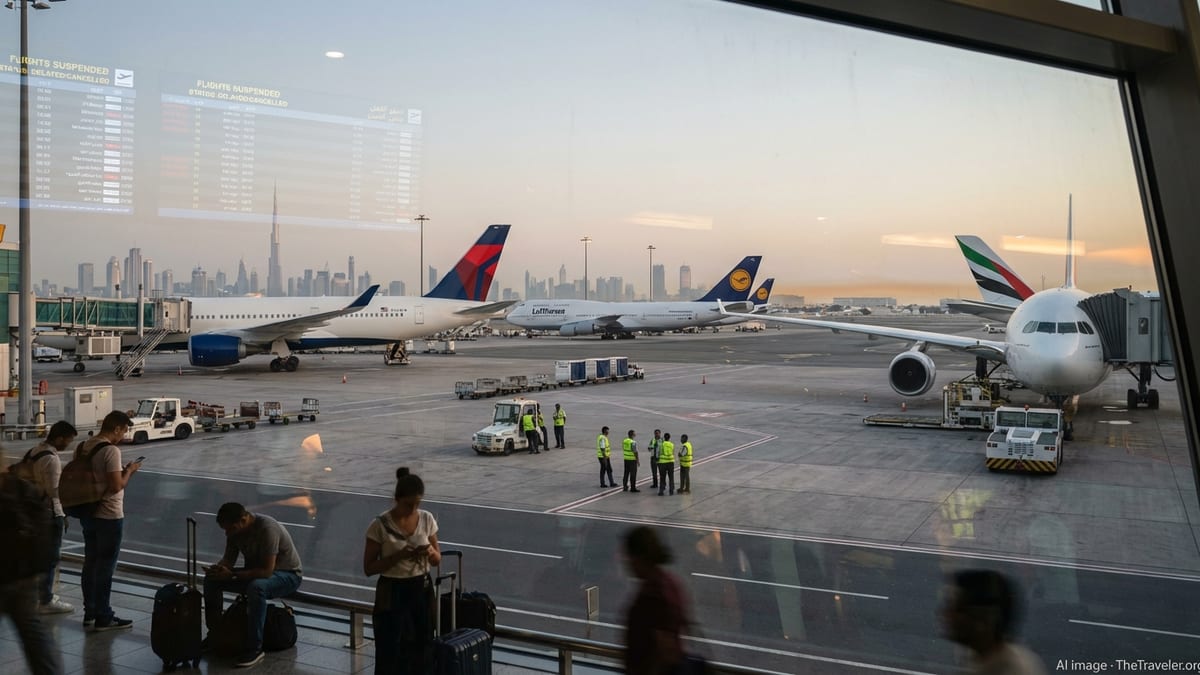
Saudi Arabia Extends Visas And Waives Penalties Amid Gulf Disruptions
Saudi Arabia has introduced a wide-ranging visa relief package for foreign visitors unable to leave the country because of severe air travel disruption across the Middle East. Publicly available information shows that the temporary measures extend the validity of multiple visa categories, including visit, Umrah, transit and final exit permits, for travelers whose documents expired from late February 2026 onward.
Reports indicate that the General Directorate of Passports and the Ministry of Interior have authorized visitors with expired documents to proceed directly to air, land or sea departure points without renewing their visas in advance. Overstay fines and related penalties are being waived for those who depart within the emergency window, which currently runs until mid April 2026.
The changes follow weeks of cascading flight cancellations and diversions after conflict in the region led to the closure or restriction of key air corridors. Saudi Arabia’s major hubs, including Jeddah and Riyadh, have seen congested terminals and extended waiting times as airlines attempt to reconfigure schedules or route passengers through alternative airports.
As part of the response, Saudi authorities have also promoted dedicated helpline channels and consular coordination points for stranded travelers. Published guidance encourages visitors to remain in close contact with their airlines and home-country embassies while using official information portals to verify the latest travel and immigration updates.
Ireland Ramps Up Assistance As Nationals Report Stranded Situations
Ireland has recently been added to the roster of countries acknowledging that their citizens are among those stuck in Saudi Arabia and neighboring transit hubs. Coverage in Irish and international media highlights cases of Irish travelers whose journeys for work, tourism or religious visits were disrupted by the sudden instability in regional airspace.
Irish government travel advisories have been updated in line with the evolving situation, emphasizing that citizens currently in Saudi Arabia should monitor the visa extension provisions and keep records of their original travel plans. Public information from Dublin points to established consular support, with stranded nationals urged to register their details, maintain contact with airlines and document any additional expenses for potential future claims.
According to reports, Ireland’s inclusion in the growing list of affected countries reflects the broad reach of the disruption. Many Irish travelers to Asia and Africa route through Gulf hubs, which left some itineraries involving Saudi Arabia, Qatar or the United Arab Emirates particularly vulnerable when flight paths were altered or suspended.
Irish-focused travel platforms and community forums have begun circulating practical advice on navigating the Saudi visa waiver, such as confirming that passports are stamped correctly on exit and retaining boarding passes as evidence of compliant departure within the grace period.
Turkey, Germany, Canada, Netherlands, Qatar And Italy Confront Knock-On Travel Chaos
The impact of the Saudi-centered travel disruption extends across a wide network of source markets. Turkey, Germany, Canada, the Netherlands, Qatar and Italy are among the countries where airlines and tourism authorities have had to manage passenger backlogs linked to altered or canceled routes through the Gulf.
European carriers serving Jeddah, Riyadh and Dammam have reshaped schedules, and Canadian-bound services that typically connect through Gulf hubs have faced delays and capacity constraints. Publicly available airline notices reference extended call center wait times as carriers prioritize rebooking passengers whose visas or onward connections are affected.
In Turkey, tour operators specializing in pilgrimage and religious tourism have issued updated advisories, noting that groups transiting Saudi Arabia for Umrah or onward connections to Asia may need to adjust travel dates or departure points. German and Dutch travel agents have similarly reported itinerary changes for package holidays that relied on multi-leg journeys through the kingdom.
Qatar and Italy have each managed their own challenges, from accommodating stranded visitors in local hotels to working with carriers on rerouting solutions. In Qatar, tourism authorities previously announced hotel stay extensions for stranded travelers, while Italian and European regulators have reminded airlines of their obligations on care, assistance and refunds in the event of major disruption.
Visa Waivers, Helplines And Emergency Corridors Shape A Patchwork Response
The Saudi visa extension waiver forms one of several overlapping measures that have emerged as governments seek to reduce the legal and financial burden on stranded travelers. In practical terms, the policy allows eligible visitors to avoid overstay penalties while they wait for scarce outbound seats, easing a key concern for many foreign nationals who feared fines or future entry bans.
Alongside the waiver, helpline support has become a crucial pillar of the response. Consular services from countries including Ireland, Germany, Canada and the Netherlands have publicized hotlines and email contacts, while Saudi-based call centers have fielded questions on exit procedures, documentation and airport access.
Travel industry observers note that the current situation exposes how quickly heavily trafficked corridors can become bottlenecks during geopolitical crises. With Saudi Arabia remaining a central hub for religious and regional travel, the combination of visa flexibility and communication support has been presented as a way to prevent humanitarian issues while airlines gradually restore capacity.
However, the patchwork nature of measures across different countries has created an uneven landscape for travelers. Some nationals benefit from coordinated hotel support, charter flights or fee waivers, while others rely primarily on the Saudi grace period and standard rebooking channels to secure a route home.
What Stranded Travelers Should Expect In The Coming Weeks
Current indications suggest that flight schedules in and out of Saudi Arabia, and across the wider Gulf, will remain fluid in the near term. Airlines are expected to continue operating revised networks, with sporadic cancellations and extended layovers likely until airspace restrictions ease and demand stabilizes.
Travel advisories from multiple governments, including Ireland, Germany and Canada, recommend that citizens avoid nonessential transit through the most affected hubs for now. Those already in Saudi Arabia are being encouraged to stay flexible, accept alternative routes where offered and retain detailed records of communications with airlines and accommodation providers.
Observers point out that the temporary visa extension in Saudi Arabia has given stranded travelers a clearer legal framework while they wait for flights, but that the mid April deadline will become a critical milestone if disruptions persist. Additional announcements on whether the waiver window will be extended further are likely to draw close attention from both travelers and foreign ministries.
For now, Ireland’s move to more actively support its citizens places it alongside Turkey, Germany, Canada, the Netherlands, Qatar, Italy and a broader coalition of states responding to an unfolding travel crisis centered on, but not confined to, Saudi Arabia. The effectiveness of these collective efforts will be measured in how quickly stranded visitors can safely and lawfully make their way home.