

Arizona has rarely been more popular with travelers. Record visitor spending, surging national park attendance and packed city events suggest the Grand Canyon State is firmly on the global map for 2026. Yet headlines about extreme heat, wildfires, water shortages and infrastructure strain raise a fair question for anyone planning a trip: is Arizona still worth visiting, and if so, under what conditions? This guide weighs the main advantages and drawbacks to help you decide if Arizona belongs on your 2026 itinerary.
Arizona in 2026: The Big Picture
By 2024 Arizona’s tourism industry was hitting all-time highs in both visitor numbers and spending, and that momentum has continued into 2025. State officials reported visitors spent close to 30 billion dollars in 2024, with more than 40 million overnight guests across Arizona’s cities, small towns and rural destinations. Those figures place Arizona firmly among the United States’ top-tier leisure and business travel states heading into 2026.
That growth is not limited to iconic parks. Phoenix, Scottsdale and Tempe have each posted record or near-record visitor totals, new hotel development and strong demand tied to conferences, major league sports, college events and winter sun getaways. At the same time, Grand Canyon, Saguaro and Petrified Forest national parks remain among the most visited in the country, with the Grand Canyon alone drawing nearly 5 million visitors in 2024.
For travelers, this means two intertwined realities in 2026. On one hand, Arizona offers more choice, better infrastructure and a deeper hospitality ecosystem than ever before. On the other hand, the surge in popularity is intensifying long-running pressures related to heat, water, wildfire risk and crowding at star attractions. Visiting Arizona in 2026 can be outstanding, but it increasingly rewards travelers who plan carefully around timing, location and trip style.
Compelling Reasons to Visit Arizona in 2026
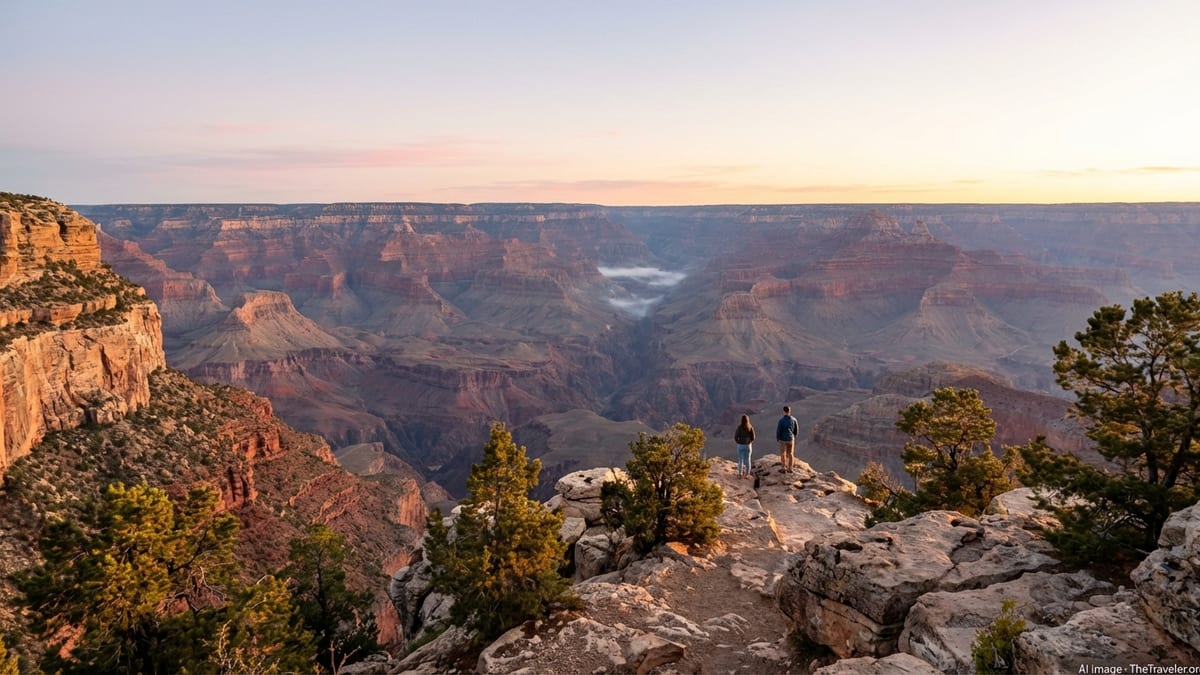
The core reasons people have fallen in love with Arizona as a travel destination remain fully intact in 2026. The state’s landscapes are among the most varied in the American Southwest, ranging from the layered cliffs of the Grand Canyon and the red rocks of Sedona to the cactus forests around Tucson and the cool pine highlands of Flagstaff and the White Mountains. For hikers, photographers and road trippers, it is difficult to find another single state that offers such diversity within a day’s drive.
National parks and monuments remain a major draw. Grand Canyon National Park continues to rank among the top three most visited parks in the United States, with just under five million visitors in 2024, while Saguaro and Petrified Forest each welcome hundreds of thousands of travelers annually. State and regional parks have also seen robust growth in visitation, reflecting strong interest in outdoor recreation beyond the headline destinations.
Urban Arizona has shifted from mere gateway status to being a reason to visit in its own right. Phoenix and Scottsdale have matured into full-fledged city breaks, with high-end resorts, golf, desert gardens, contemporary art spaces and a lively restaurant and bar scene. Tempe and downtown Phoenix add a younger, more casual energy, built around live music, craft breweries, university culture and major sporting events. For travelers who want to balance nature with nightlife or dining, Arizona’s metro areas are a clear strength.
Seasonal appeal is another advantage. Arizona remains one of the most reliable winter-sun destinations in the continental United States. From roughly November through March, daytime temperatures are generally mild in Phoenix, Tucson and many desert areas, making it an attractive escape from colder climates. Paired with spring training baseball, golf tournaments, festivals and hiking-friendly weather, winter remains a prime time to visit.
Climate, Heat and Wildfire: The Major Downsides
The biggest change shaping the Arizona travel experience in recent years has been climate. Summers across much of the state, especially in low desert cities like Phoenix, have become longer, hotter and more dangerous for outdoor activity. Triple-digit temperatures are common for extended stretches, with heat waves occasionally pushing outdoor conditions into ranges that public health officials classify as extreme risk for unprepared visitors.
This has clear implications for 2026 travel. Many state and national park agencies now emphasize heat safety in their public messaging, encouraging early-morning hikes, aggressive hydration and route choices that avoid exposed mid-day terrain. On particularly hot days, some popular trails can face restrictions or strong warnings, and search and rescue teams frequently respond to heat-related incidents among underprepared hikers. Travelers who imagine full-day summer hiking in the Sonoran Desert or in lower portions of the Grand Canyon should reconsider and plan around cooler seasons or higher elevations.
Wildfire risk is another concern, especially in forested northern Arizona and around the Grand Canyon’s North Rim. In recent seasons, lightning-sparked fires combined with dry conditions have forced temporary evacuations, closures and smoke impacts in and around major parks. One recent wildfire destroyed a historic lodge on the North Rim and led to a full closure of that side of the canyon for the season. While such events do not make Arizona unsafe overall, they introduce uncertainty for travelers booking far in advance, particularly for late-summer trips when fire risk tends to peak.
Finally, water infrastructure issues occasionally affect the visitor experience. Grand Canyon’s South Rim, for example, relies on a mid-20th-century waterline that has suffered multiple breaks, prompting temporary shutdowns of some overnight lodges and stricter conservation rules. A federally funded rehabilitation project is underway, but its completion extends beyond 2026. Travelers should be prepared for the possibility of short-notice changes to services, particularly within the park, even as nearby gateway towns continue to operate normally.
Crowds, Costs and Capacity Challenges
Rising popularity inevitably brings crowding, and Arizona is no exception. Grand Canyon visitation has rebounded strongly from pandemic-era lows, with 2024 numbers surpassing 4.9 million, and many state and regional parks have registered their highest tallies since before 2020. On peak days and holiday weekends, gateway towns can feel strained, with full parking lots, long shuttle lines and heavily trafficked viewpoints at sunrise and sunset.
Higher demand also affects prices. Hotel and short-term rental rates in Phoenix, Scottsdale and Sedona have climbed, particularly during peak winter and spring seasons when visitors from colder regions drive demand. Luxury resorts remain in especially high demand, while mid-range and budget options can sell out well in advance around major events such as professional golf tournaments, college bowl games and large conventions. For travelers trying to keep costs in check, flexibility on travel dates and a willingness to stay slightly outside the most famous hubs can make a meaningful difference.
Infrastructure capacity at signature parks is another factor. The Grand Canyon’s South Rim functions near its practical limits at times, with constrained parking, crowded shuttle buses and busy trails near the rim. The North Rim, which historically handles a fraction of the park’s visitors and offers a quieter experience, has faced season-long closures due to wildfire or operational constraints in some recent years. For 2026, this means travelers should avoid assuming that all parts of the park will be accessible in every season and should monitor conditions closely as their trip approaches.
Despite these pressures, many travelers still find the experience well worth it. Those who plan shoulder-season visits, secure reservations early and build some flexibility into their itineraries are generally able to navigate crowding without too much disruption. The key shift for 2026 is that improvising a last-minute, peak-season Arizona itinerary is more difficult and often more expensive than it was a decade ago.
Urban Experiences, Culture and Events
While Arizona’s landscapes star on social media, its cities increasingly shape the overall value of a trip. Phoenix in particular has grown into a major urban destination, supported by an expanding light rail system, a dense downtown events calendar and record passenger volumes at Phoenix Sky Harbor International Airport. Travelers flying in for conferences, sporting events or concerts often extend their stays to explore nearby hiking trails, cultural institutions and dining districts.
Scottsdale and Tempe add distinctive flavors. Scottsdale leans into upscale dining, art galleries, spa resorts and golf, while Tempe’s waterfront developments and university-driven nightlife appeal to younger visitors and those looking for a more casual, walkable environment. Collectively, these cities host a steady rhythm of festivals, marathons, music events and sports tournaments that can give a 2026 visit a defined focus beyond general sightseeing.
Culturally, Arizona offers a mix of Indigenous heritage sites, Hispanic influences and contemporary arts. Museums in Phoenix and Tucson explore Native American history and art, while historic missions, preserved mining towns and Route 66 segments provide glimpses into the state’s layered past. For travelers who value more than just scenery, Arizona’s cultural offerings help round out an itinerary, particularly in the cooler months when city exploration is more comfortable.
The main downside on the urban front in 2026 is again tied to heat. Summer city breaks in Phoenix or Tucson can be challenging for travelers unaccustomed to high temperatures, especially if they hope to explore on foot during mid-day. That does not mean summer visits are impossible, but they tend to be pool-and-indoor focused, with early-morning or evening outings rather than long afternoons outdoors. Visitors who center their trip on winter or early spring generally find the urban experience much more pleasant.
Outdoor Adventure, Access and Safety
Arizona remains one of the premier outdoor playgrounds in the United States. The state’s network of national parks, monuments, state parks and national forests supports hiking, mountain biking, rafting, climbing, skiing and off-road touring. For 2026, this breadth of opportunity is undeniably a reason to go, especially for travelers who plan ahead and match activities to their ability and the season.
At the same time, the increasing need for safety awareness is a real consideration. Search and rescue teams in popular hiking regions report frequent calls linked to heat exhaustion, dehydration and visitors overestimating their fitness or underestimating desert conditions. Agencies have responded with more signage, online trip-planning tools and digital heat safety campaigns, but these can only go so far if individuals arrive without adequate preparation.
Access is generally improving in terms of transportation and services. More flights into Phoenix and Tucson provide convenient gateways, and road infrastructure to popular regions like Sedona, Flagstaff and the Grand Canyon is well developed. However, the growth in visitation has also meant more traffic congestion around certain trailheads and scenic drives, especially on weekends. In some areas, timed-entry systems or parking reservations are being considered or piloted to balance protection of natural resources with visitor demand.
For 2026 travelers, the takeaway on adventure is straightforward. Arizona is still a superb place to be outside, provided you respect the climate, start early in the day, carry more water than you think you need and stay informed about local conditions. Those willing to adapt their expectations away from all-day summer hiking in exposed desert terrain will generally find plenty of safe and rewarding options.
Who Will Love Arizona in 2026, and Who Might Not
Arizona in 2026 is highly likely to appeal to certain types of travelers. Outdoor enthusiasts who prefer winter, spring or high-elevation trips will find an abundance of options, from desert hikes among saguaros to pine forest trails, canyon viewpoints and stargazing in dark-sky communities. Photographers, in particular, continue to prize Arizona for its dramatic and varied light, especially at sunrise and sunset in the cooler months.
Cultural travelers who enjoy pairing landscapes with museums, galleries and local food scenes will also find value. The combination of Indigenous heritage sites, contemporary Native American art, Mexican and Southwestern culinary traditions, and evolving city neighborhoods offers more depth than the stereotype of Arizona as only “desert and canyon” might suggest.
On the other side, Arizona can be less ideal for travelers extremely sensitive to heat or those who must travel in the height of summer and hope to be active outdoors for long stretches. Families with very young children, older travelers with health conditions and anyone without flexibility in their daily schedule may find peak-summer desert conditions especially limiting. Travelers looking for a secluded, low-cost escape at the most famous sites may also be disappointed by the combination of crowds and rising prices.
Budget-conscious visitors who are flexible, however, can still craft good-value trips by targeting shoulder seasons, lesser-known towns and state parks instead of only the flagship destinations. In 2026, “is Arizona worth it” is increasingly a question about matching expectations and timing rather than about the intrinsic quality of what the state offers.
The Takeaway
Arizona remains unequivocally worth visiting in 2026 for many travelers, but not on any terms and not in every season. Its natural assets, from the Grand Canyon and red rock country to cactus-studded deserts and mountain forests, continue to justify the state’s strong position in American tourism. Growing urban offerings in Phoenix, Scottsdale, Tucson and Tempe add further reasons to come, especially during the cooler months when outdoor exploration and city life can be combined comfortably.
The trade-offs center on climate, crowding and cost. Summers are increasingly defined by dangerous heat that limits safe outdoor activity at lower elevations, while wildfire risk and occasional infrastructure issues can disrupt plans in specific regions. Popular sites face heavy demand at peak times, driving up prices and compressing the sense of solitude many visitors seek in nature.
If you can plan a shoulder- or winter-season trip, stay informed about local conditions and accept that some advance booking is now essential, Arizona is likely to deliver a rich and memorable experience in 2026. If your only option is an improvisational, high-summer visit centered on full days outdoors in the desert, the state may feel more challenging than rewarding. Knowing where you fit on that spectrum is the key to deciding whether Arizona earns a place on your travel list this year.
FAQ
Q1. Is Arizona safe to visit in 2026 given heat and wildfire concerns?
Arizona is generally safe for visitors in 2026, provided you plan around heat and stay informed about wildfire conditions. Choosing cooler months, starting outdoor activities early, carrying ample water and checking local advisories before hiking or driving into fire-prone areas significantly reduces risk.
Q2. What is the best time of year to visit Arizona in 2026?
For most travelers, the best months are from late October through April, when desert temperatures are milder and outdoor activities are more comfortable. High-elevation areas can also be pleasant in late spring and early fall, though winter storms occasionally affect driving conditions.
Q3. Is the Grand Canyon too crowded to enjoy now?
The Grand Canyon can be crowded at popular viewpoints and during peak holiday periods, but many visitors still find the experience worthwhile. Visiting early or late in the day, exploring less busy viewpoints and considering shoulder-season travel help maintain a sense of space.
Q4. Are there parts of Arizona that stay cooler in summer?
Yes. Northern and higher-elevation areas such as Flagstaff, the Mogollon Rim and the White Mountains tend to be noticeably cooler than Phoenix or Tucson in summer. Even there, afternoon thunderstorms and wildfire risk require attention to local forecasts.
Q5. Is Arizona still a good option for budget travelers?
Arizona can be more expensive at marquee destinations and during peak seasons, but budget travel is still possible. Visiting in shoulder seasons, staying in smaller towns, using state parks and booking accommodations early can help keep costs manageable.
Q6. How are water shortages affecting tourists?
Long-term water issues are a serious policy concern, but most short-term visitors experience only minor effects, such as conservation signage or occasional service adjustments in specific parks. Travelers should expect and respect basic conservation measures but can generally rely on normal hotel and restaurant operations.
Q7. Is it realistic to hike in the Arizona desert in summer?
Short, early-morning hikes may be feasible for fit, prepared visitors, but long mid-day hikes in exposed desert terrain are strongly discouraged in summer. Many agencies emphasize that even experienced hikers can run into trouble quickly when temperatures are extreme.
Q8. Are Arizona’s cities worth visiting if I am not interested in hiking?
Yes. Phoenix, Scottsdale, Tucson and Tempe offer museums, galleries, food scenes, shopping, spa resorts and events that can fill an urban-focused itinerary. Winter and early spring are usually the most comfortable times for city exploration.
Q9. How far in advance should I book for Arizona in 2026?
For popular winter and spring dates, it is wise to book flights and key accommodations several months in advance, especially near the Grand Canyon, Sedona and major events. Shoulder seasons and weekdays often offer more flexibility and better prices.
Q10. Is Arizona a good choice for families with children?
Arizona can be excellent for families who plan thoughtfully. Short hikes, scenic drives, kid-friendly museums and pool time at resorts work well, particularly in cooler months. In peak summer, families should be ready to limit outdoor exposure during the hottest hours and prioritize shade and hydration.